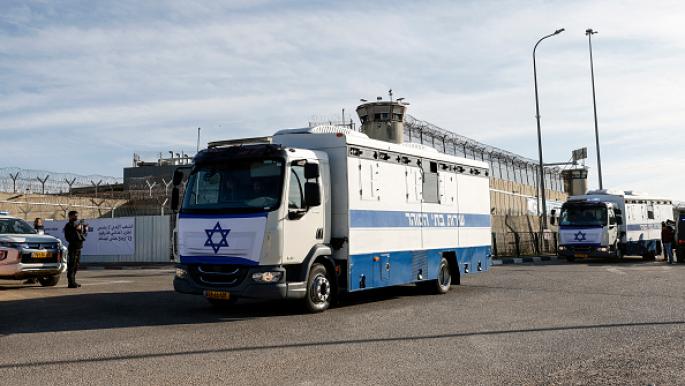
Palestinian institutions and ministries launched a diplomatic initiative on Tuesday to confront the execution law approved by the Israeli Knesset on Monday. This initiative aims to enhance international efforts to pressure Israel to halt this law, which Palestinians consider a blatant violation of human rights.
The law allows for the execution of Palestinian prisoners convicted of murder, provoking angry reactions from various Palestinian and international entities. This step has been deemed a serious escalation in Israel's occupation policies towards Palestinians, necessitating urgent diplomatic action.
Details of the Event
Following the law's approval, Palestinian institutions, including the Ministry of Foreign Affairs, began sending correspondence to various international organizations, including the United Nations, demanding intervention to stop the implementation of this law. The Palestinian Foreign Ministry confirmed that this law contradicts international human rights standards and poses a threat to Palestinian prisoners who already suffer from harsh conditions inside Israeli prisons.
Palestinian officials also indicated that this law represents a step towards escalating violence and increases tensions in the region. The Palestinian government has called on the international community to take a firm stance against this law, considering it contributes to worsening humanitarian conditions in the occupied Palestinian territories.
Background & Context
Historically, the Palestinian cause has witnessed numerous human rights violations, including arbitrary arrests and extrajudicial killings. With rising tensions in recent years, Israel has intensified its repressive measures against Palestinians, exacerbating the humanitarian situation in the West Bank and Gaza Strip.
The execution law comes within the context of Israeli occupation policies aimed at intimidating Palestinians and weakening their resistance. Such laws have been proposed in the Israeli Knesset before, but this time they were approved under an extreme right-wing government seeking to reinforce its repressive policies.
Impact & Consequences
The implications of this law could be severe, potentially leading to heightened tensions between Palestinians and Israelis and contributing to escalating violence in the region. Additionally, the implementation of this law may open the door to further human rights violations and increase Israel's isolation on the international stage.
Human rights organizations are expected to strongly oppose the law, aiming to expose the violations that may occur as a result. There are also concerns that this law could provoke violent Palestinian reactions, further escalating the cycle of violence in the region.
Regional Significance
This law is not merely a Palestinian issue; it has ramifications at the Arab and regional levels. The approval of this law has sparked angry reactions in Arab countries, where many governments and Arab organizations have deemed it a blatant violation of human rights. Some Arab nations have called for diplomatic actions to confront this law, asserting that the international community's silence may encourage Israel to continue its violations.
Ultimately, hope rests on the international community to act urgently to stop this law, which threatens the lives of many Palestinian prisoners and complicates the conflict in the region.