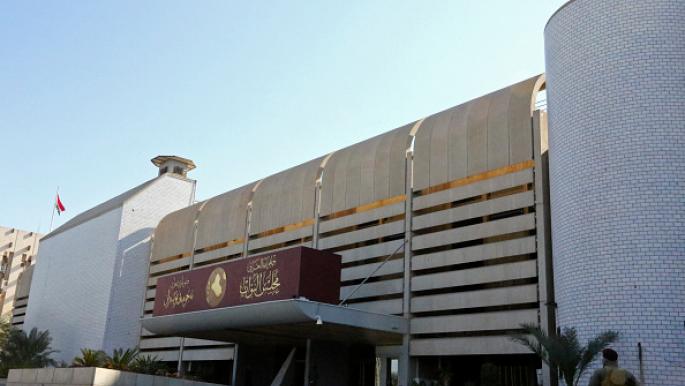
Iraq's political arena is witnessing significant activity as the parliamentary session scheduled for this coming Monday approaches, dedicated to electing the President. This movement occurs at a sensitive time when Iraq faces major political and economic challenges.
Various political blocs are striving to rally support and reach consensus around a single candidate, attempting to overcome the divisions that are tearing apart the political scene. The session is expected to witness heated discussions among members, as each party seeks to strengthen its position under the current circumstances.
Details of the Event
This session is part of the Iraqi Parliament's efforts to complete constitutional obligations, as a President has not been elected for a long time. Successive political crises have delayed this process, negatively impacting political stability in the country.
It is noteworthy that the Iraqi Parliament consists of several political blocs, including the Sadr Bloc and the Coordination Framework, each seeking to assert its influence in the elections. The date for the session was set after intensive consultations among political leaders, who are striving to achieve a consensus that ensures the election of a President who enjoys broad acceptance.
Background & Context
Historically, Iraq has witnessed numerous political crises that have led to government instability. Since the fall of Saddam Hussein's regime in 2003, the country has suffered from internal and external conflicts, complicating the process of forming governments and conducting elections. In recent years, these crises have been exacerbated by rampant corruption and deteriorating security conditions.
The presidential elections are a fundamental part of the democratic process in Iraq, as the Parliament has the right to elect the President according to the constitution. However, political and ethnic divisions may hinder this process, raising concerns about the country's future.
Impact & Consequences
If the elections are successfully conducted, it could contribute to restoring trust in the political process and enhance government stability. Conversely, if the crises persist, it may lead to worsening security and economic conditions, negatively affecting citizens' lives.
There is increasing pressure on the current Iraqi government to provide effective solutions to multiple crises, including corruption, unemployment, and deteriorating services. Thus, the election of a new President could have a significant impact on Iraq's domestic and foreign policies.
Regional Significance
The Iraqi elections are a focal point for the Arab region, as their outcomes could affect regional stability. Amid rising tensions in the Middle East, Iraq's stability can have positive effects on neighboring countries.
Moreover, the success of the electoral process may encourage other countries in the region to strengthen democracy, while failure could exacerbate political crises in other nations facing similar challenges.
In conclusion, it remains to be seen how the upcoming parliamentary session will unfold and whether it will contribute to achieving the desired stability for Iraq.