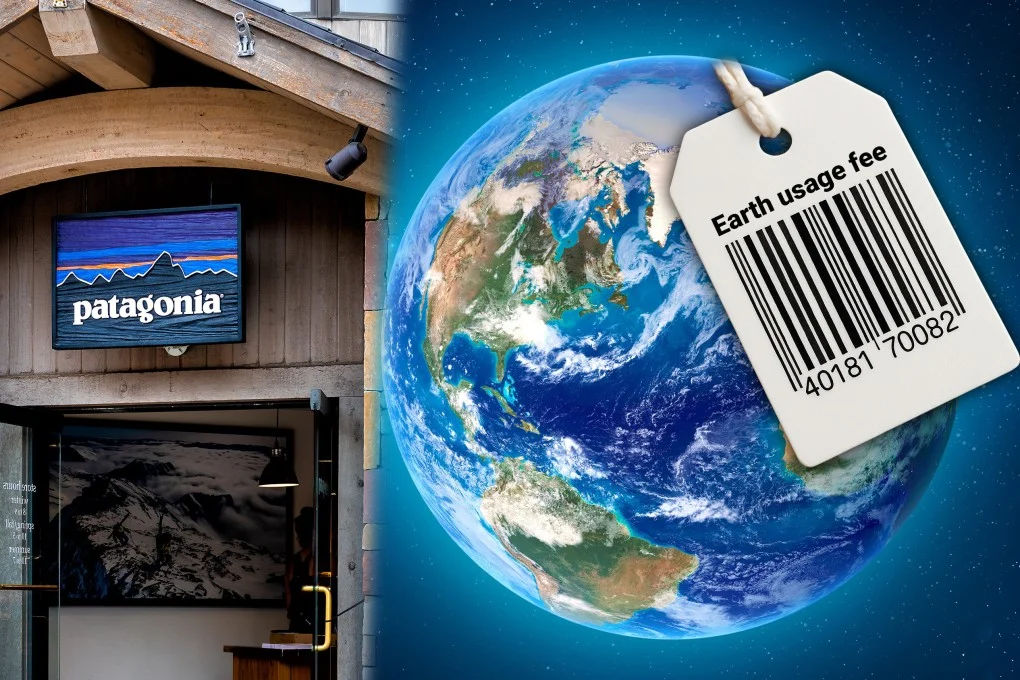
In a controversial move, Patagonia, the American outdoor clothing company, has announced the implementation of fees known as 'land use fees' on orders made through its online store. This initiative is part of the company's efforts to curb the issue of excessive returns, which has become a significant challenge in the e-commerce landscape. The announcement was made on March 30, and these fees will only apply to purchases made through Patagonia's store on Tmall, one of the leading online shopping platforms in China.
Through this initiative, Patagonia aims to reduce the number of returns it has experienced in recent years. Reports indicate that its Tmall store shipped over 16,179 packages during last year's 'Double 11' shopping festival, resulting in a substantial number of returns. This phenomenon is not new, as many companies face similar issues, but Patagonia hopes that these fees will help change consumer behavior.
Details of the New Fees
This decision comes at a sensitive time for the company, as it faces increasing pressure from both consumers and investors to adhere to more sustainable practices. The new fees are intended to encourage customers to think twice before returning products, which may help reduce the environmental impact associated with shipping and returns. The decision has elicited mixed reactions among consumers, with some viewing it as a positive step towards sustainability, while others see it as an additional burden on shoppers.
It is worth noting that Patagonia is known for its commitment to sustainable environmental practices and has taken numerous steps in the past to support this trend, including using recycled materials in its products. However, these new fees may raise questions about the effectiveness of such measures in achieving environmental goals.
Background & Context
Founded in 1973, Patagonia has become one of the leading brands in the outdoor clothing sector. The company is distinguished by its focus on sustainability and environmental protection, having launched various campaigns to support environmental causes. As environmental awareness among consumers rises, companies are under greater pressure to adopt more sustainable practices.
In recent years, e-commerce has seen tremendous growth, leading to an increase in the number of returns. According to industry reports, approximately 30% of products purchased online are returned, posing a significant challenge for businesses. Therefore, Patagonia is not the only company seeking solutions to this problem, but it may be among the first to take a bold step like imposing fees on returns.
Impact & Consequences
This move could lead to a change in consumer behavior, potentially prompting shoppers to think twice before making online purchases. If Patagonia succeeds in reducing the number of returns, it could become a model for sustainability in the industry.
Moreover, the implementation of these fees may encourage other companies to explore similar strategies to address the challenges of excessive returns and their environmental implications.
Regional Significance
As Patagonia continues to advocate for sustainable practices, its actions may influence other brands within the outdoor and e-commerce sectors. The company's approach could set a precedent for how businesses address the growing concern over environmental sustainability in their operations.
In conclusion, Patagonia's decision to implement land use fees highlights the ongoing challenges that companies face in the e-commerce sector regarding sustainability and the reduction of returns.