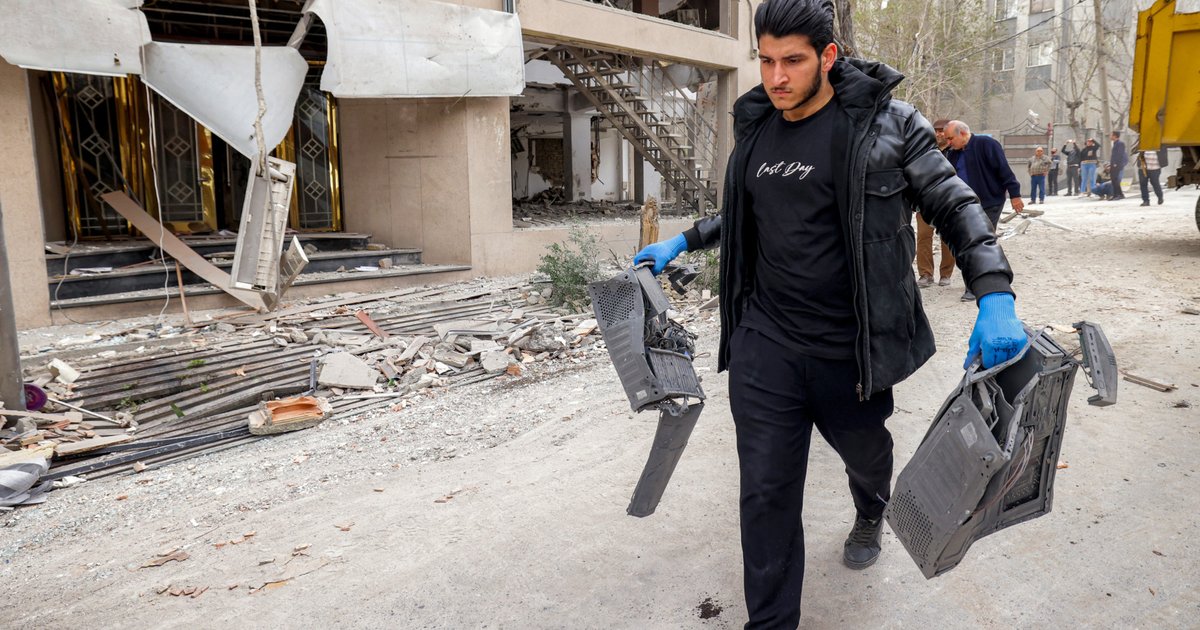
A United Nations peacekeeper was killed in southern Lebanon after being struck by a shell on Sunday evening. The incident occurred near the town of Adchit el-Qsar, where the international force confirmed in a statement that "a peacekeeper was tragically killed last night when a shell exploded at a UNIFIL site." The statement also noted that "another soldier was seriously injured," emphasizing that "no one should lose their life in the service of peace."
This incident comes at a sensitive time as the region faces increasing tensions, with international forces continuing their efforts to maintain stability in Lebanon, which has a long history of conflicts and strife.
Details of the Incident
The incident occurred late on Sunday evening while the soldiers were carrying out their routine duties as part of their peacekeeping efforts in the area. No additional details have been disclosed regarding the source of the shell or the party responsible for it, raising concerns about the security situation in southern Lebanon.
UNIFIL is considered one of the longest-running peacekeeping missions in the world, having been deployed in Lebanon since 1978 following the conflict between Lebanon and Israel. Since then, it has played a significant role in monitoring borders and preventing escalation between the conflicting parties.
Background & Context
UNIFIL was established in the aftermath of the Lebanese-Israeli conflict and consists of soldiers from several countries, aiming to maintain peace and security in the region. However, the security situation in Lebanon remains fragile, as various political and military forces intersect, complicating the peacekeeping mission.
Over the years, UNIFIL forces have faced several attacks, resulting in the loss of lives of soldiers from various nationalities. These incidents highlight the significant challenges the mission faces in carrying out its duties and reflect the deteriorating security conditions in the region.
Impact & Consequences
The killing of a peacekeeper underscores the risks faced by international forces in conflict zones. This incident may lead to increased pressure on the United Nations to reassess its strategies in the region and could spark new calls for enhanced security and protection for peacekeepers.
Furthermore, this incident may affect relations between Lebanon and the countries contributing to UNIFIL, as concerns about the safety of soldiers may lead to a reduction in troop numbers or changes in deployment strategies.
Regional Significance
This incident comes at a sensitive time for the Arab region, where tensions are rising in several countries. With ongoing conflicts in Syria and Palestine, Lebanon remains a focal point in the regional struggle. Any escalation in the security situation in Lebanon could impact stability in neighboring countries and complicate peace efforts in the region.
In conclusion, this incident highlights the urgent need to bolster peace and stability efforts in Lebanon and underscores the importance of international community support for peacekeeping forces in the face of increasing challenges.