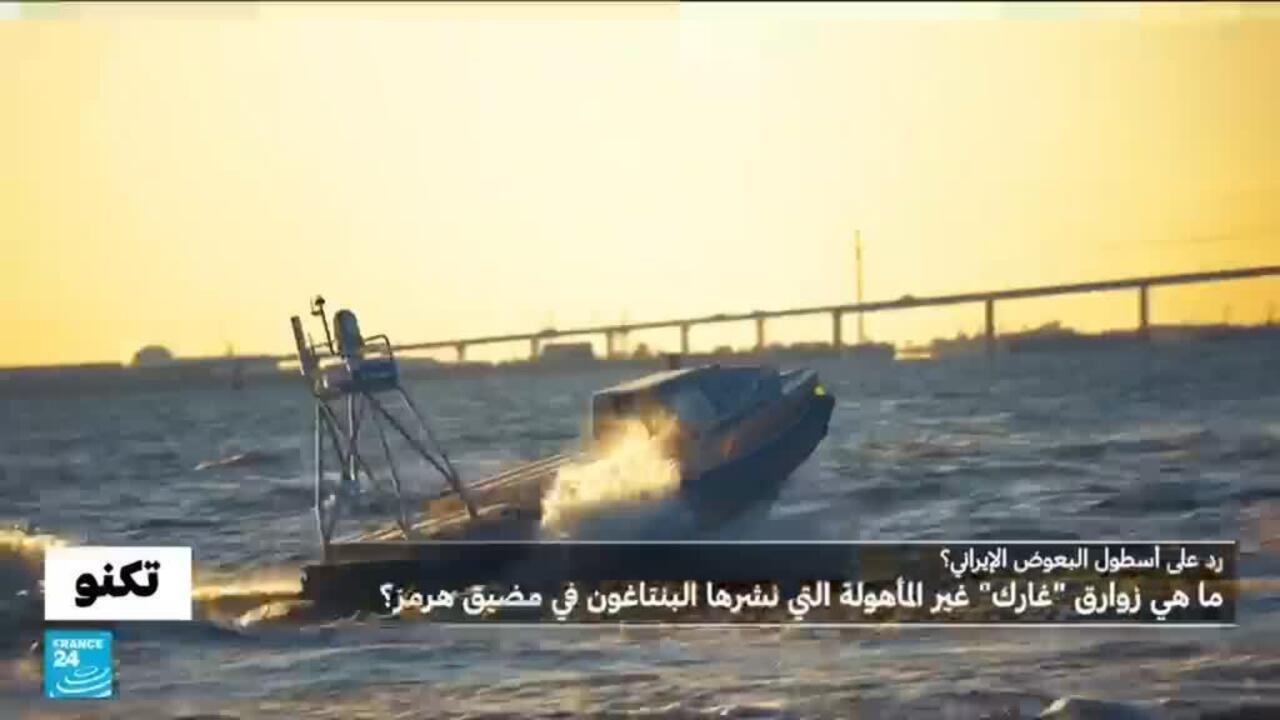
The Pentagon has announced the deployment of unmanned 'Gharq' boats in the Strait of Hormuz, aiming to enhance maritime security in the region. This decision is made during a time of rising tensions between the United States and Iran, which raises concerns about the safety of navigation in one of the most important maritime corridors in the world.
The 'Gharq' boats are considered modern technologies relied upon by the U.S. Navy to monitor maritime activities and combat potential threats. These boats are characterized by their ability to operate independently, allowing them to carry out reconnaissance and surveillance missions without the need for a human crew, thereby reducing risks to lives.
Details of the Deployment
This step follows a series of maritime incidents in the Strait of Hormuz, where commercial vessels have been attacked by armed groups. The U.S. Department of Defense has confirmed that the deployment of 'Gharq' boats is part of its strategy to bolster its military presence in the region, as these boats represent a component of a comprehensive strategy aimed at protecting navigation and ensuring the safety of shipping.
The 'Gharq' boats are designed to operate in harsh maritime conditions, capable of performing multiple tasks including intelligence gathering, monitoring suspicious maritime activities, and providing logistical support to naval forces. Additionally, these boats are equipped with advanced technologies that enable them to communicate with naval bases and exchange information instantly.
Background & Context
The Strait of Hormuz is one of the most significant maritime passages globally, through which approximately 20% of total global oil exports pass. This strait has witnessed increasing tensions in recent years, particularly with the escalation of the conflict between the United States and Iran. In 2019, several vessels were attacked in the area, leading to an increased U.S. military presence there.
The 'Gharq' boats are part of the United States' efforts to enhance navigation security in the Strait of Hormuz, as Washington seeks to prevent any threats that could affect shipping movements. This deployment also aligns with the cooperation with U.S. allies in the region, who are also striving to secure their maritime corridors.
Impact & Consequences
This deployment could lead to heightened tensions in the region, as Iran may respond to the presence of the boats by increasing its military activities in the territorial waters. Furthermore, the presence of 'Gharq' boats may enhance the U.S. capability to monitor any suspicious movements, potentially curbing illicit activities in the area.
On the other hand, this move could strengthen cooperation between the United States and its allies in the region, contributing to the formation of new alliances to address maritime threats. The presence of these boats may also improve the level of safety for maritime navigation, benefiting the global economy.
Regional Significance
This step is significant for Arab countries bordering the Strait of Hormuz, as many of these nations rely on shipping movements through this passage. An increased U.S. military presence could enhance maritime security, contributing to regional stability. However, Arab nations must remain cautious of any escalation that may arise from these military maneuvers.
In conclusion, the deployment of unmanned 'Gharq' boats in the Strait of Hormuz represents a strategic move by the Pentagon to bolster maritime security. As tensions rise in the region, the question remains about how this action will impact regional relations and maritime security in the future.