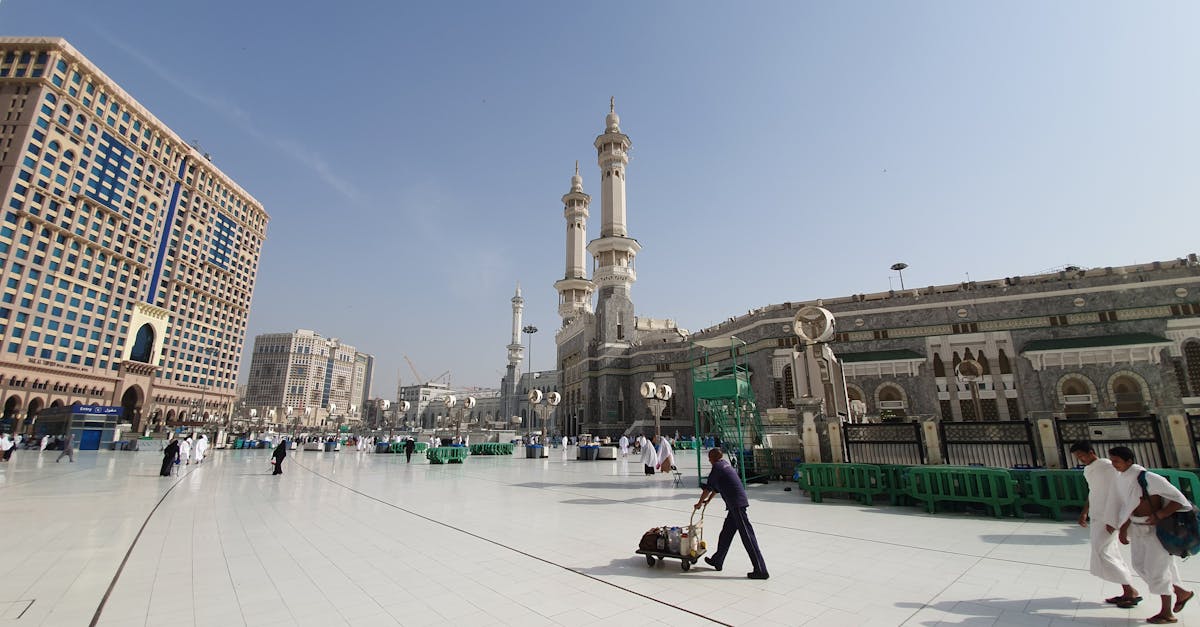
Pilgrims at the Sacred House of Allah performed the Tawaf Al-Ifadah in an atmosphere filled with tranquility and reverence. This significant ritual takes place after the Day of Arafah, with pilgrims arriving at the Grand Mosque to fulfill this essential part of Hajj. The Tawaf Al-Ifadah is one of the fundamental pillars of Hajj, and pilgrims are keen to complete it at various times to avoid crowds.
The faces of the pilgrims reflected serenity and calmness as they circled the Holy Kaaba, praying and seeking forgiveness from Allah. Relevant authorities provided all necessary facilities to ensure the safety and comfort of the pilgrims during this ritual.
Event Details
The Tawaf Al-Ifadah commenced after the conclusion of the Day of Arafah, as pilgrims headed to Mecca to perform this obligation. The Grand Mosque was equipped with all the necessary requirements to accommodate the large number of pilgrims, along with health and security services to ensure their safety.
Moreover, the movement of pilgrims within the Grand Mosque was organized, dividing them into groups to facilitate the Tawaf process and avoid congestion. Pilgrims expressed their satisfaction with the services provided, confirming that the atmosphere was conducive for performing the rituals with ease and comfort.
Background & Context
The Tawaf Al-Ifadah is considered one of the most prominent rituals of Hajj, reflecting the spirit of worship and closeness to Allah. In recent years, there has been an increase in the number of pilgrims, necessitating improvements in infrastructure and services provided to them. The Kingdom of Saudi Arabia is working on developing its facilities to ensure a distinguished and safe Hajj experience.
Historically, Hajj is one of the five pillars of Islam, and Muslims are commanded to perform it at least once in their lifetime if they are able. Hajj brings together Muslims from various parts of the world, enhancing the spirit of unity and brotherhood among them.
Impact & Consequences
The Tawaf Al-Ifadah significantly impacts the pilgrims, representing a profound spiritual moment in their lives. The calm and comfortable atmosphere enhances the Hajj experience, making it more impactful for the pilgrims.
The Kingdom of Saudi Arabia continually strives to improve the experience of pilgrims, contributing to its stature as a global religious destination. The successful organization of Hajj reflects the Kingdom's ability to manage large events with high efficiency.
Regional Significance
Hajj is an important event not only for Muslims but also for the Arab region as a whole. It strengthens cultural and religious ties between Arab countries and reflects Muslims' commitment to the principles of their faith.
Additionally, the successful organization of Hajj contributes to enhancing religious tourism, benefiting the local economy and bolstering the Kingdom's position in the Islamic world.
In conclusion, the Tawaf Al-Ifadah remains one of the most significant rituals of Hajj, embodying the spirit of worship and closeness to Allah, and reflecting the tremendous efforts made by the Kingdom of Saudi Arabia to provide a distinguished and safe Hajj experience.