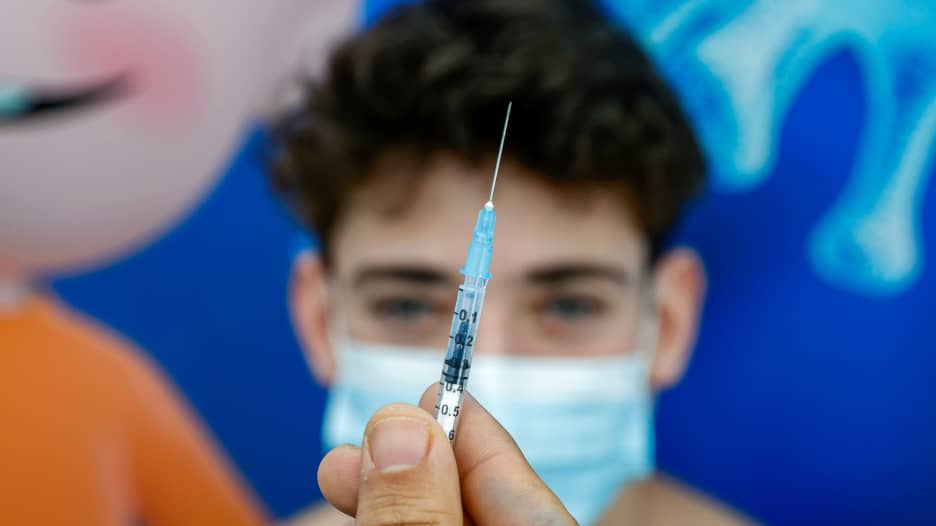
Pfizer, the American pharmaceutical company, in collaboration with French partner Valneva, announced its intention to seek regulatory approval for a Lyme disease vaccine following the success of advanced clinical trials. This step comes at a time when the medical community is increasingly interested in new ways to combat a disease that poses a public health threat worldwide.
The clinical trials, which included a diverse group of participants, recorded positive results, reflecting the vaccine's effectiveness and high safety profile. The vaccine targets Lyme disease, known to cause arthritis and serious health effects, transmitted through bites from ticks prevalent in moderate temperature environments.
Details of the Trials
Pfizer and Valneva conducted clinical trials across several countries, where the vaccine's effectiveness was evaluated on a broad scale. Preliminary results indicate the vaccine's success in stimulating the immune system against the bacteria responsible for the disease, offering hope for a new generation of vaccines that could reduce infection rates.
The activities surrounding these trials have been welcomed in the medical community, as Lyme disease is considered one of the rising threats in prevalence, especially in the United States and parts of Europe. It is estimated that hundreds of thousands of new cases arise annually, putting pressure on healthcare systems.
Background & Context
Lyme disease was first identified in the 1970s in the United States and has since seen a notable increase in case numbers. This infection, caused by a bacterium called Borrelia burgdorferi, leads to a variety of symptoms ranging from fever and muscle aches to heart and neurological problems if not treated correctly.
With growing awareness of this disease, many countries have intensified their research and development programs for vaccines, spurred on by the COVID-19 pandemic, which has acted as a major catalyst for investment in research to develop new vaccines for both chronic and emerging diseases.
Impact & Consequences
If the Lyme vaccine receives regulatory approval, it could signify a major shift in how the disease is addressed. Effective prevention of this infection would help alleviate the health and psychological burden on affected individuals as well as their families and the healthcare system as a whole.
Moreover, this achievement bolsters public confidence in modern pharmaceutical companies, which have often faced criticism in previous periods for delays in vaccine rollouts. This collaboration between Pfizer and Valneva sets a benchmark for how to develop vaccines swiftly and efficiently.
Regional Significance
The Middle East is also witnessing an increase in reported Lyme disease cases, where environmental conditions and lifestyle play a significant role in the tick population's growth. The market approval of an effective vaccine globally provides hope not only in combating this disease but also in enhancing safety and public health levels within Arab nations.
However, preventive measures and education on how to guard against tick bites remain crucial, as vaccinating the population against such diseases will require immediate and intensive efforts from governments and health organizations.