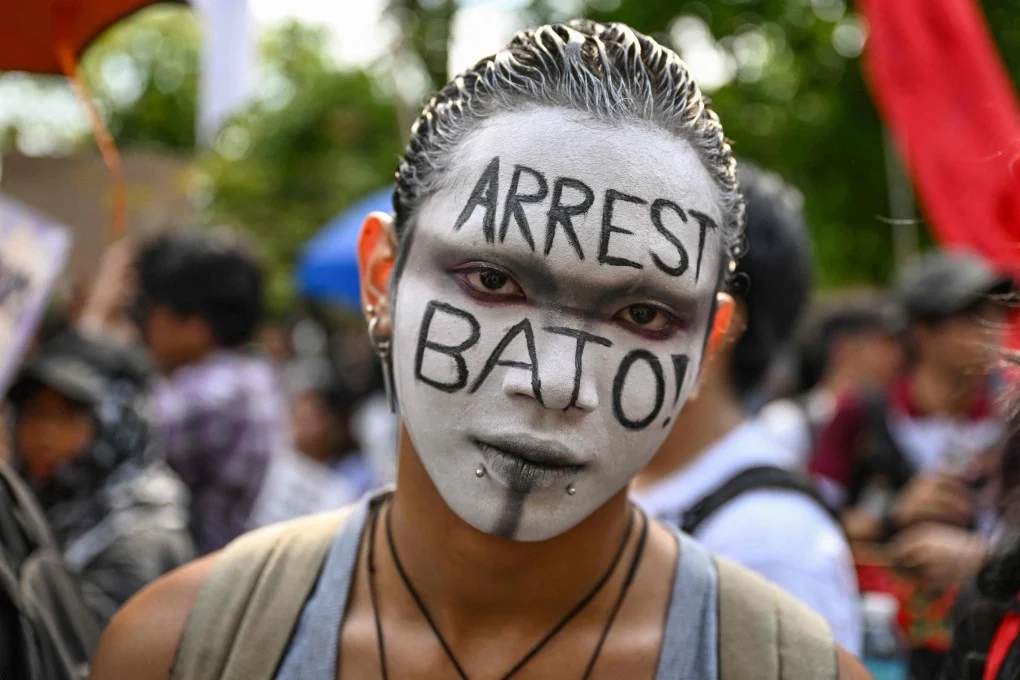
On Wednesday, the Philippine Supreme Court rejected the request of fugitive senator Ronald Delarosa to stop the arrest warrant issued by the International Criminal Court (ICC) due to his role in the country's deadly drug war. The decision came after a court vote where 9 judges voted against the appeal while 5 judges supported it, opening the door for legal actions against Delarosa.
Delarosa, who previously served as the head of the Philippine National Police, is a prominent figure in the campaign led by former President Rodrigo Duterte against drugs, which resulted in the deaths of thousands. He has been accused of committing human rights violations during his tenure, prompting the ICC to issue an arrest warrant against him.
Details of the Event
The Philippine Supreme Court made its ruling after Delarosa filed a motion to halt the execution of the arrest warrant, claiming that the actions against him were illegal. However, the court's decision reflects an increasing commitment to combat corruption and violations in the country. The judges noted that there is sufficient evidence to support the arrest warrant.
This ruling comes at a sensitive time for the Philippines, as international pressure on the government is mounting due to its human rights record. Human rights organizations have expressed concern over the ongoing violations and have called for accountability for those responsible for these crimes.
Background & Context
Historically, the Philippines has experienced a wave of violence linked to the drug war initiated by Duterte since he took office in 2016. This campaign has led to the deaths of over 20,000 people, according to estimates from human rights organizations. The government has faced severe criticism from the international community, including the United Nations, for its excessive use of force against suspects in drug-related cases.
Delarosa, who was initially viewed as a hero in the fight against drugs, has now become a symbol of the violations committed during that campaign. He has been specifically accused of orchestrating killings targeting suspects, leading to increasing calls for his accountability.
Impact & Consequences
The Supreme Court's decision could have significant implications for Delarosa's political future, as it may lead to his arrest and prosecution, undermining his position as a politician. Additionally, this ruling could open the door for further investigations into the human rights violations committed during Duterte's administration.
Moreover, this decision may strengthen the position of the ICC, which seeks to hold accountable those responsible for crimes against humanity. This could lead to increased pressure on the Philippine government to implement reforms in its criminal justice system.
Regional Significance
Although events in the Philippines may seem distant from the Arab world, there are lessons to be learned. The war on drugs and the associated violations are not limited to the Philippines but are issues faced by many countries in the region. This case could serve as an example of how repressive policies impact human rights, prompting Arab states to consider how to address drug issues humanely.
In conclusion, the Philippine Supreme Court's ruling represents an important step towards achieving justice and accountability for violations. It also highlights the importance of protecting human rights globally.