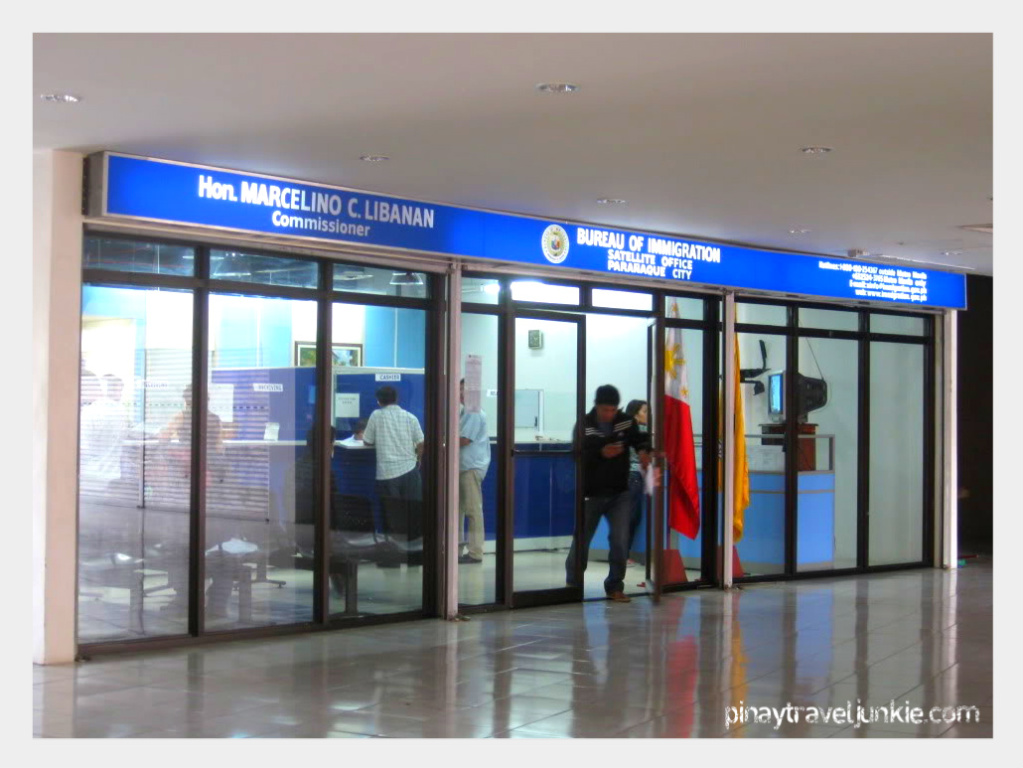
The Philippine government has announced an extension of the visa exemption period for foreign nationals stranded in the country due to escalating conflicts in the Middle East. This decision comes at a time when the world is witnessing rising tensions and conflicts, which have affected travel and mobility between countries. The Philippine government has confirmed that this extension aims to relieve the burdens on foreigners who find themselves in difficult situations due to current circumstances.
The new visa exemption policy includes an extension of the stay for foreigners who have been unable to leave the Philippines due to deteriorating security conditions in their home countries. Officials have indicated that this decision will help facilitate the return of these individuals to their countries as soon as possible, while providing the necessary support during their stay in the Philippines.
Details of the Announcement
This decision was announced at a press conference held by the Philippine Secretary of Foreign Affairs, who explained that the government is closely monitoring the situation in the Middle East and its impact on foreign nationals. He noted that the Philippines serves as a safe haven for many foreigners fleeing conflicts, and the government is committed to providing the necessary support to them.
It was also emphasized that this measure includes all foreigners who entered the Philippines before the onset of the conflict, meaning that many individuals from various nationalities will be able to benefit from this extension. The new exemption period has been set to remain in effect until the end of the current year, with the possibility of further extension should the situation remain unchanged.
Background & Context
This step comes at a time when the Middle East is experiencing an escalation of conflicts, particularly amid ongoing crises in countries such as Iraq and Syria. These conflicts have led to the displacement of many individuals, leaving them stranded in countries like the Philippines where they have no options to return home. Historically, the Philippines has welcomed many foreign workers, but the current situations pose new challenges for the government and society.
In recent years, the Philippines has seen an increase in the number of foreigners residing in the country for work or tourism purposes. However, global crises such as armed conflicts and pandemics have significantly impacted travel and mobility, necessitating that countries take exceptional measures to protect their citizens and residents.
Impact & Consequences
This decision could have positive effects on the Philippines' international relations, as it demonstrates the government's commitment to supporting foreigners during times of crisis. Additionally, this decision reflects the humanitarian approach of the Philippine government, which may enhance its image in the international community as a country that seeks to protect human rights.
On the other hand, this extension may increase pressure on public services in the Philippines, as the government will need to allocate more resources to support stranded foreigners. There are also concerns that the ongoing conflicts in the Middle East could lead to a larger influx of refugees, requiring a swift and effective response from the government.
Regional Significance
This step is particularly significant for the Arab region, where ongoing conflicts in some Arab countries are leading to a flow of refugees and migrants to other countries. The Philippines may become one of the destinations these individuals turn to, highlighting the need for greater international cooperation to address the challenges of migration and displacement.
In conclusion, the Philippine government's decision reflects its commitment to providing support to foreigners during times of crisis, contributing to the strengthening of international relations and embodying the humanitarian values upheld by the Philippines.