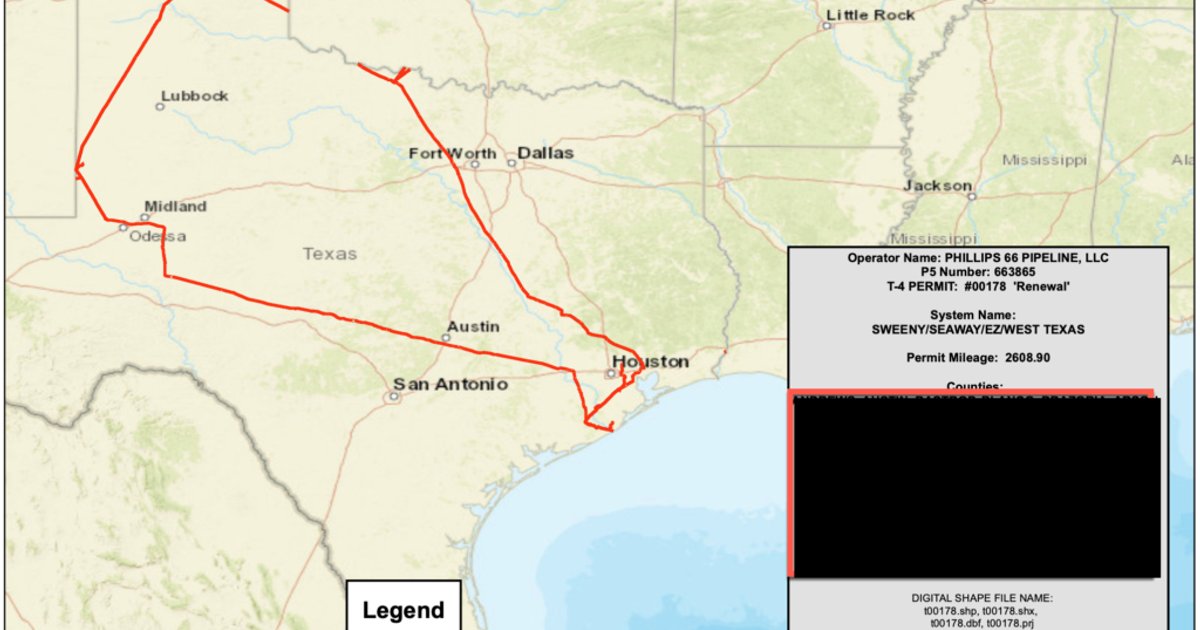
Philips 66, one of the major players in the energy sector, has announced its expectations of losses approaching $1 billion during the first quarter of the year due to its short position in the oil market. These losses occur at a time when the oil market is experiencing a sharp rise in prices, fueled by escalating conflict in Iran and its impact on global supplies.
These losses signify the significant volatility present in the oil market, where prices have risen markedly due to geopolitical disruptions. Such increases have affected many companies operating in this sector, intensifying financial pressures on firms that rely on short-term strategies.
Details of the Situation
Philips 66 expects these losses to significantly impact its financial results, reflecting the challenges it faces under current conditions. As oil prices rise, pressure mounts on companies adopting short positions, which could lead to greater market fluctuations.
This announcement comes at a sensitive time, as concerns grow over the impact of the conflict in Iran on global energy markets. The conflict has heightened tensions in the region, affecting the stability of oil prices.
Background & Context
Historically, oil markets have experienced numerous fluctuations due to geopolitical events. The conflict in Iran is not new, but it recalls past crises that led to significant increases in oil prices. In recent years, there have been several similar crises that have greatly affected the markets, highlighting the importance of stability in this region.
Iran is one of the largest oil producers in the world, and any disruptions in this country directly impact global supplies. In recent years, oil prices have seen significant volatility due to economic sanctions and military conflicts, emphasizing the need to monitor developments in this area closely.
Impact & Consequences
The effects of these losses extend beyond Philips 66 to the broader market. With rising oil prices, other companies in the sector may also be affected, leading to increased costs for consumers. Furthermore, these price hikes could impact the global economy as many countries rely on oil imports.
These losses also serve as a warning for companies that depend on short-term strategies in volatile market conditions. Firms may need to reassess their strategies to adapt to these rapid changes.
Regional Significance
The Middle East is one of the most affected regions by oil price fluctuations, as many Arab countries rely on oil revenues as a primary source of income. With rising prices, some countries may benefit from this increase, but they may also face challenges if regional disruptions continue.
Arab nations must be prepared to deal with these changes, as they can affect the stability of their economies. It is crucial for these countries to adopt diversified development strategies to reduce reliance on oil.
In light of current conditions, the importance of monitoring events in the oil market and their impact on the global economy becomes evident. The losses suffered by Philips 66 are just one example of the challenges facing companies in this sector, necessitating a reevaluation of business strategies.