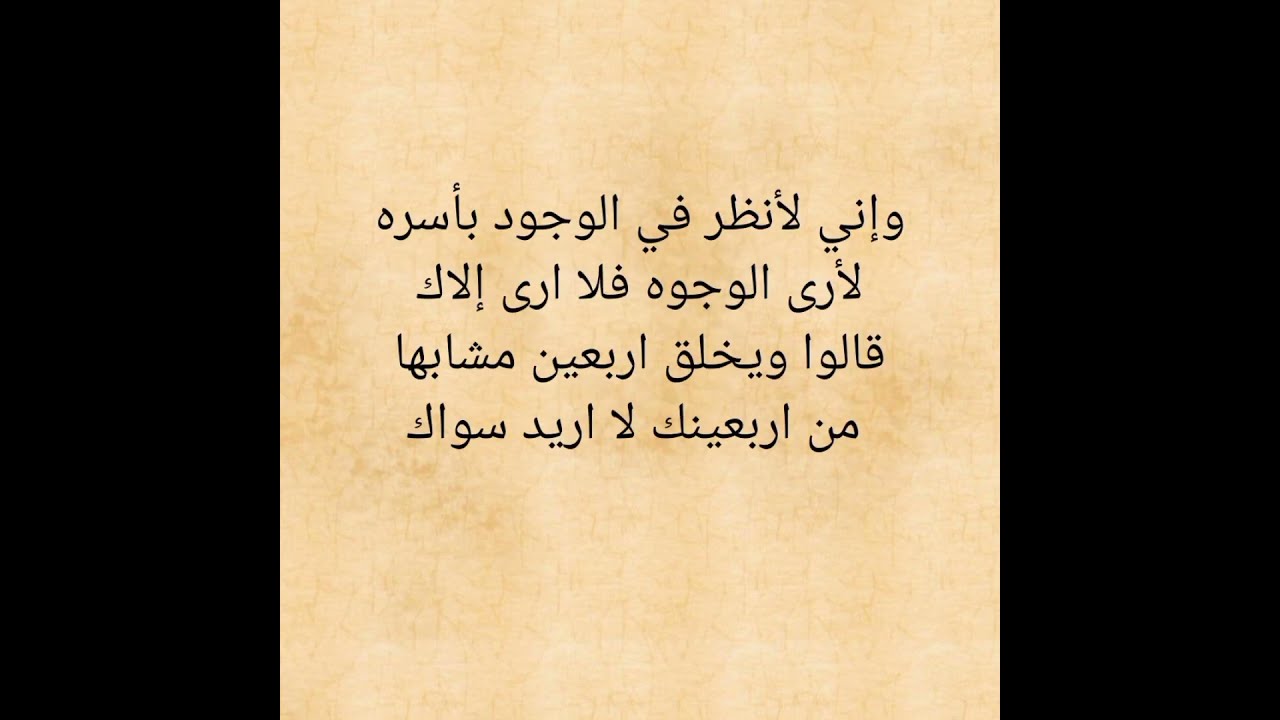
In a poignant letter to the Andalusian philosopher Ibn Bajjah, the author conveys a deep sense of frustration and disorientation in a world filled with ignorance and the masses. The writer speaks of a constricted spirit and existence, where he spreads his white wings carrying his blue dreams, embarking on a journey to search for meaning through the valleys of revelations.
The letter paints a tragic picture of reality, where the author describes painful scenes of countless prisoners trapped in the darkness of ignorance, while cave dwellers live in shadowy valleys. This description reflects a state of despair, as the path of truth seems closed, and people follow those who have severed the necks of questions, in repeated lines of certainty.
Details of the Event
The letter encompasses deep emotions that reflect the author's internal struggle, feeling trapped in a world rife with ignorance and tradition. The writer questions: Where is humanity headed in light of this intellectual closure? How can a person find their way in a world dominated by disorientation? These questions reflect a state of existential anxiety experienced by many in our current era.
The significance of this letter lies in its reflection of the eternal struggle between knowledge and ignorance, shedding light on the challenges faced by thinkers and philosophers in their quest to find meaning in a complex world. The letter is not merely an expression of frustration but a call for contemplation and reflection on the fate of humanity.
Background & Context
Ibn Bajjah, also known as Ibn Bajjah, was one of the most prominent philosophers in Andalusia during the twelfth century. He lived in a period when Andalusia was a center of science and thought, where Islamic, Christian, and Jewish cultures intertwined. However, this period was also fraught with challenges, as thinkers faced difficulties in disseminating their ideas amid fluctuating political and social conditions.
The letters of Ibn Bajjah are considered part of the Arab philosophical heritage, reflecting the intellectual tensions that prevailed in his time. Philosophy at that time sought to reconcile reason and tradition, religion and philosophy, making it a subject of debate and discussion.
Impact & Consequences
The letter of Ibn Bajjah raises profound questions about the role of philosophers and thinkers in society. How can thought influence the change of reality? What is the role of the philosopher in confronting ignorance and backwardness? These questions remain relevant in our current era, where thinkers face similar challenges.
The letter calls for a rethinking of the role of knowledge and thought in shaping societies. In today's world, where intellectual and political challenges are increasing, it becomes essential for thinkers to adopt an active role in confronting ignorance and backwardness.
Regional Significance
The letter of Ibn Bajjah serves as a call to reflect on our contemporary Arab reality. In light of the political and social crises faced by many Arab countries, it becomes imperative to reconsider the role of thought and culture in shaping our future. Revisiting the Arab philosophical heritage can provide us with new tools to understand the challenges we face.
In conclusion, the letter of Ibn Bajjah remains alive in our consciousness, inviting us to think about the fate of humanity and the role of knowledge in changing reality. The philosopher, as Ibn Bajjah saw, is not merely a contemplator of ideas but an activist striving to change the world around him.