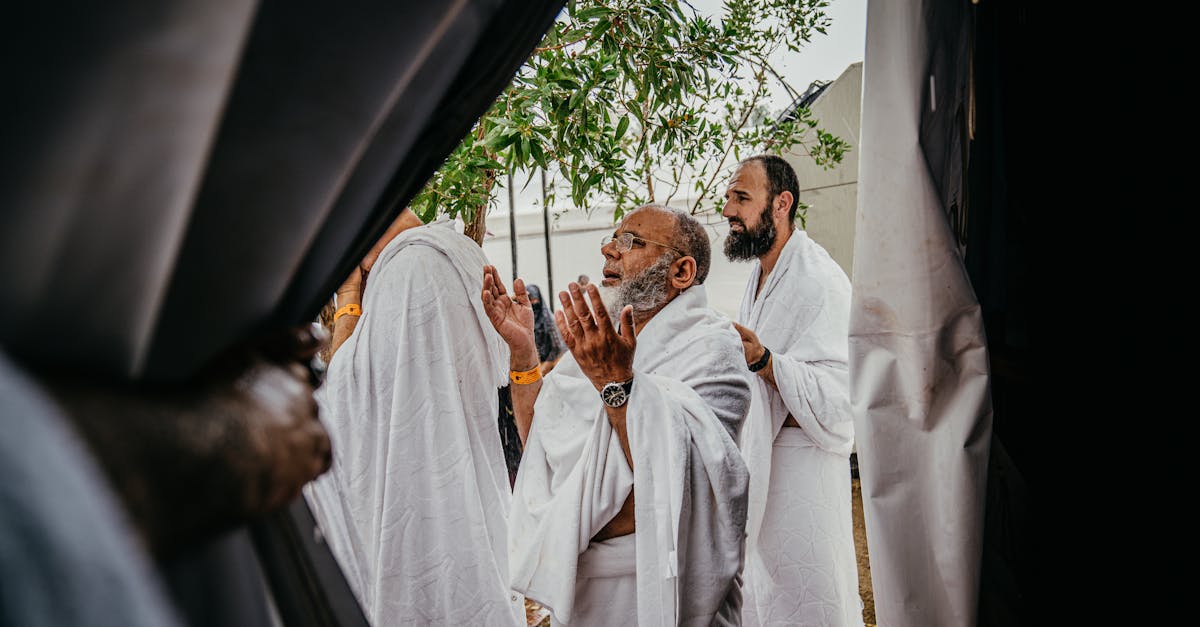
This year's Hajj season witnessed an atmosphere of tranquility as pilgrims threw stones at Jamrat al-Aqaba on the first day of Eid al-Adha. This event is one of the most significant rituals of Hajj, reflecting the spirit of sacrifice and devotion.
On the morning of Eid, pilgrims flocked to Mina, where they performed this ritual after completing the rites of Tarwiyah. The proceedings went smoothly, reflecting the significant efforts made by Saudi authorities to ensure the safety of the pilgrims.
Details of the Event
The pilgrims began throwing stones at Jamrat al-Aqaba after the Fajr prayer, arriving in an organized manner at the site. All necessary facilities were provided for them, including health and security services. Reports indicated that the pilgrims performed the stoning in an atmosphere of calm and serenity.
This year, additional precautionary measures were taken to ensure the safety of the pilgrims, including the provision of medical points and ambulance teams near the stoning sites. Security measures were also enhanced to prevent any crowding or incidents.
Background & Context
The ritual of throwing stones is one of the most prominent acts of Hajj, symbolizing the pilgrims' obedience to God and their rejection of Satan. Historically, this ritual dates back to the time of Prophet Ibrahim (Abraham), who threw stones as a symbol of his obedience to God.
In recent years, the Hajj rituals have undergone significant changes due to the COVID-19 pandemic, which led to a reduction in the number of pilgrims and the implementation of strict health measures. However, this year saw a large return of pilgrims, reflecting an improvement in the global health situation.
Impact & Consequences
This occasion serves as an opportunity to strengthen bonds among Muslims worldwide, as pilgrims from various nationalities and cultures come together. These rituals reflect fundamental Islamic values such as sacrifice and tolerance.
Such events contribute to enhancing religious tourism in Saudi Arabia, benefiting the local economy. Successfully organizing these events showcases the Kingdom's ability to manage large crowds and provide a safe environment for pilgrims.
Regional Significance
The Hajj is an important event for Muslims around the world, symbolizing the unity of the Islamic Ummah. The successful organization of Hajj enhances Saudi Arabia's status as a major destination for religious tourism.
These events foster cooperation among Islamic countries, as pilgrims share their experiences and values. Moreover, these moments strengthen social and cultural ties among Muslims.
In conclusion, throwing stones at Jamrat al-Aqaba is an integral part of the Hajj experience, embodying the values of faith and sacrifice. As the Kingdom continues to enhance its services for pilgrims, these rituals will remain a symbol of unity and solidarity among Muslims worldwide.