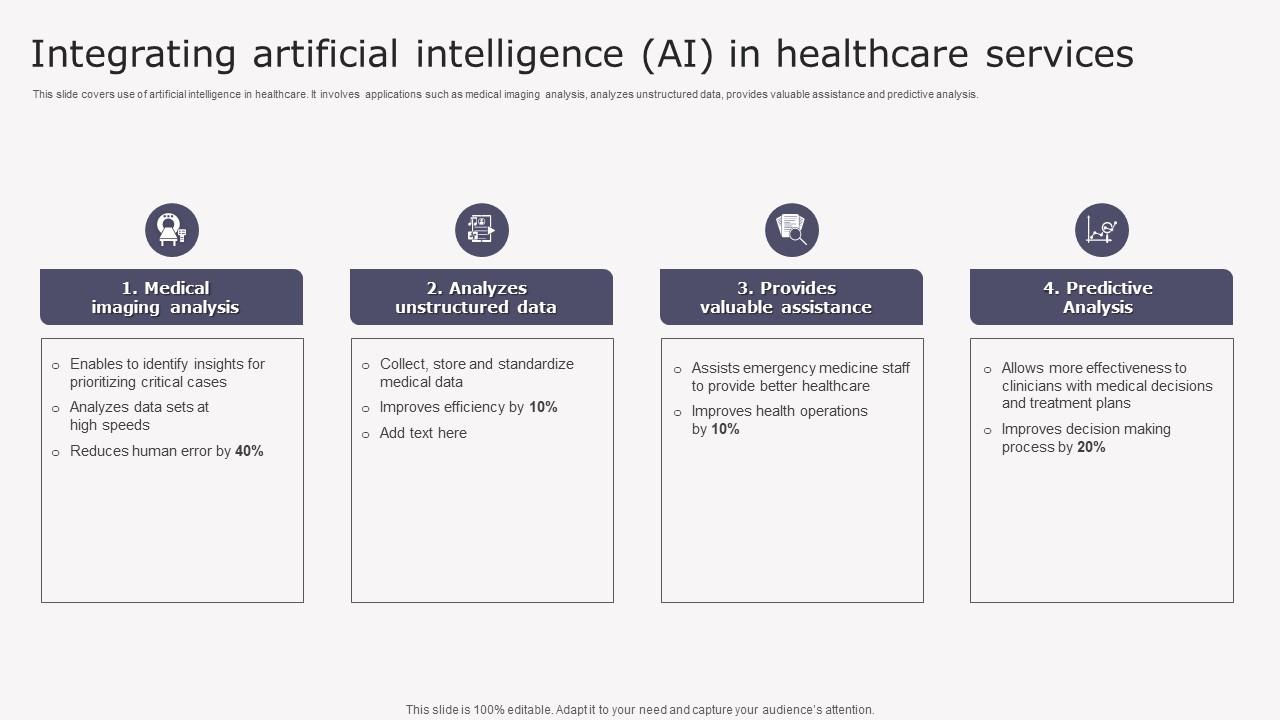
The Centers for Medicare & Medicaid Services (CMS) has announced the initiation of a pilot program in six states, designed to reduce waste, fraud, and abuse in the healthcare system. However, reports indicate that this program, which relies on artificial intelligence technologies, could lead to delays in patient care, raising significant concerns about its impact on citizens' health.
The program involves the use of artificial intelligence in the prior authorization process for medical services, a procedure required by many healthcare providers before administering treatment to patients. While the goal of this program is to enhance efficiency and reduce costs, there are fears that reliance on technology may complicate procedures and increase the time required to obtain necessary approvals.
Program Details and Implementation
The pilot program includes participation from six U.S. states, where the effectiveness of using artificial intelligence to expedite the approval process for treatments and medical services is being tested. This initiative comes at a time when many states are grappling with issues related to corruption and waste in the healthcare system, prompting CMS to take serious steps to address these challenges.
However, many doctors and healthcare professionals have expressed concerns that reliance on artificial intelligence could lead to the neglect of individual patient cases, potentially adversely affecting the quality of care provided. Some physicians have pointed out that decisions made by smart systems may not always reflect the actual needs of patients, which could result in delays in treatment for critical cases.
Background & Context
Historically, the U.S. healthcare system has faced numerous challenges, including rising costs and gaps in service delivery. This new step may represent part of broader efforts to improve efficiency and reduce costs, but there is an urgent need to ensure that technology does not negatively impact patients.
Prior authorization programs are a fundamental part of the healthcare system, as they help determine whether medical services are covered by insurance. However, the complexities associated with these processes can lead to treatment delays, making it essential to reassess how technology is utilized in this context.
Impact & Consequences
If the program continues to negatively affect patients, it could increase pressures on the healthcare system, as patients may face difficulties in obtaining necessary treatments in a timely manner. Additionally, delays in healthcare could exacerbate health conditions, increasing the financial burdens on the healthcare system.
Moreover, this pilot could influence how artificial intelligence systems are adopted in other areas of healthcare, necessitating a careful examination of potential implications before widespread implementation.
Regional Significance
The implications of this pilot program extend beyond the participating states, as it may set a precedent for future healthcare policies across the nation. Stakeholders are closely monitoring the outcomes to assess whether the integration of artificial intelligence can indeed lead to improvements or if it poses more risks than benefits.
In conclusion, while the pilot program aims to tackle significant issues within the healthcare system, it is crucial to balance technological advancements with the need for personalized patient care, ensuring that the quality of healthcare is not compromised.