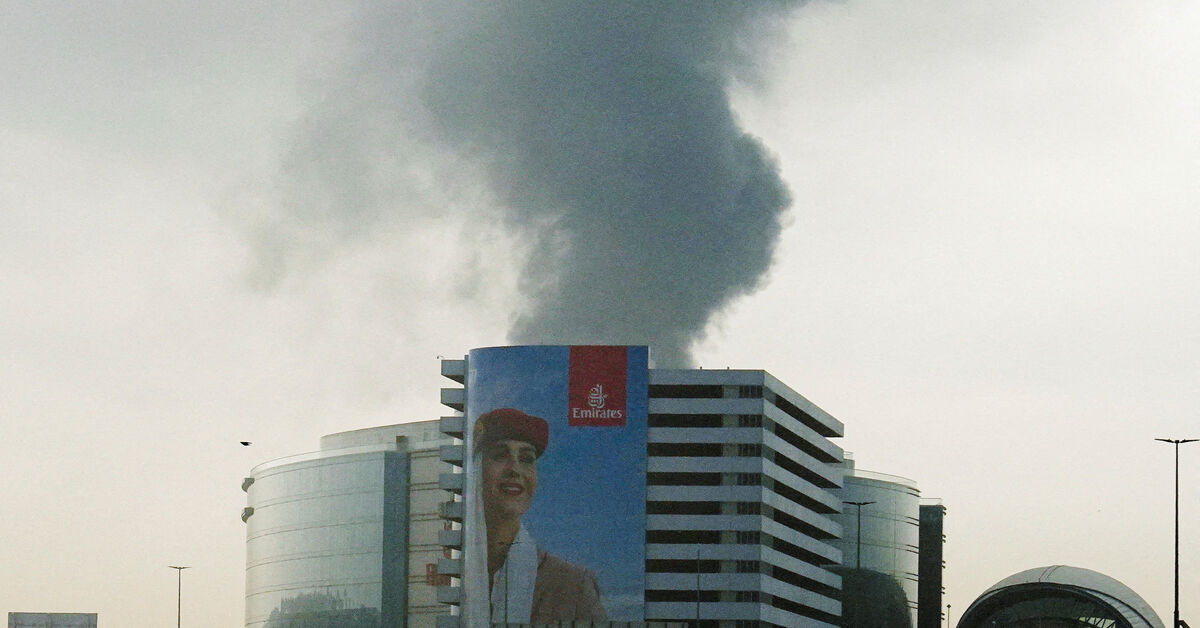
In a significant move, the International Federation of Air Line Pilots' Associations (IFALPA) has urged the necessity of granting pilots the unnegotiable right to refuse flights over or into conflict zones. This demand comes at a time when the risks facing commercial aircraft in turbulent airspaces are increasing, as pilots face commercial pressures that may affect their safety-related decisions.
The organization emphasized that this right must be protected from any commercial pressures, underscoring the importance of safety for both pilots and passengers. This demand was announced during a press conference in Montreal, where union representatives pointed to the rising incidents involving commercial aircraft in conflict areas.
Details of the Event
Concerns about the safety of commercial aviation have escalated amid increasing armed conflicts worldwide. In recent years, several tragic aviation incidents have prompted many unions to call for stricter measures to protect pilots. In this context, the international federation asserted that pilots must have the ability to make independent decisions regarding their safety.
The federation also noted that commercial pressures could lead to unsafe decision-making, necessitating the establishment of clear rules that protect pilots' rights. Several pilots have expressed their concerns about being pressured by airlines to operate flights over conflict zones, exposing them to significant risks.
Background & Context
Historically, commercial aircraft have typically avoided flying over conflict zones; however, changes in commercial and economic policies have led to an increase in flights over these areas. Some countries, such as Ukraine and Syria, have witnessed tragic aviation incidents resulting in the loss of many passengers and crew lives.
In recent years, there has been an urgent need to establish new standards to ensure aviation safety, especially in areas experiencing armed conflicts. Studies have shown that pilots who feel pressured to undertake unsafe flights are more likely to make poor decisions that could lead to catastrophic incidents.
Impact & Consequences
If this demand is adopted by airlines and governments, it could lead to radical changes in how flights over conflict zones are managed. This may require a reassessment of current flight plans, potentially affecting flight schedules and ticket prices.
This could also promote a culture of safety within the aviation industry, as pilots would feel they have the necessary support to make decisions based on safety rather than commercial pressures. This may contribute to reducing aviation incidents associated with conflicts.
Regional Significance
In the Arab region, where some countries are experiencing ongoing conflicts, this demand could have a significant impact on both local and international airlines. With increasing risks in Arab airspace, airlines may need to reevaluate their routes and offer safer options for passengers.
Moreover, enhancing pilots' rights to make independent decisions could improve aviation safety levels, benefiting both passengers and companies alike. Given the current circumstances, it becomes essential for Arab countries to adopt this demand to ensure aviation safety in the region.