A Polish presidential advisor has sharply criticized the United States for its unilateral military strike against Iran, revealing a clear division within the Polish government led by Donald Tusk. This criticism comes at a sensitive time as tensions rise in the Middle East, raising concerns about the implications of such military actions on regional and international security.
The unnamed advisor pointed out that the American strike lacked sufficient consultations with allies, reflecting a unilateral policy that could exacerbate the situation. These criticisms arise at a time when Poland is seeking to strengthen its relations with the United States while also striving to maintain its political decision-making independence.
Details of the Incident
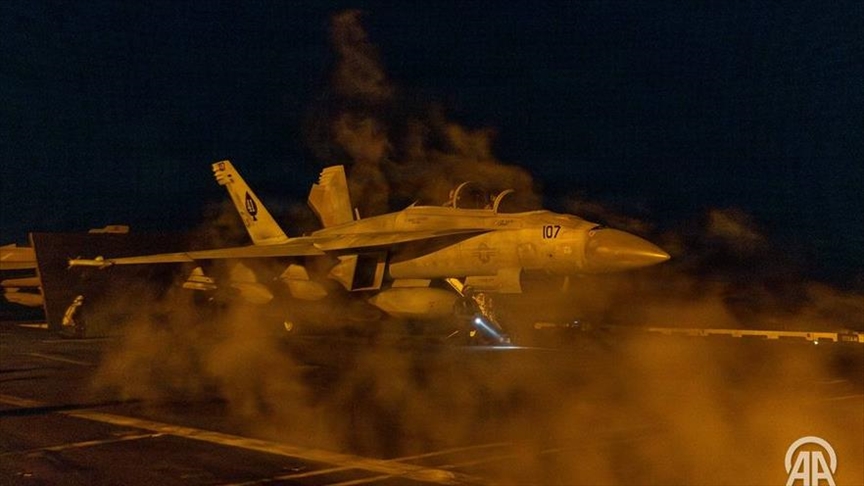
The military strike executed by the United States against Iranian targets occurred amid escalating tensions between Washington and Tehran, with the U.S. accusing Iran of supporting armed groups in the region. This strike has elicited mixed reactions from European countries, with some calling for dialogue and negotiation instead of military escalation.
Poland is considered one of the European countries with close ties to the United States; however, these relationships may be put to the test due to the recent criticisms. Some Polish officials have expressed concern that such actions could destabilize the region, thereby affecting European security as a whole.
Background & Context
Historically, relations between the United States and Iran have been tense for decades, with the region witnessing numerous conflicts and disputes. The economic and political pressures faced by Iran due to U.S. sanctions have led to heightened tensions, making it difficult to achieve any progress in negotiations.
In recent years, Poland has attempted to enhance its role as a mediator in international issues, seeking to play a larger role in European politics. However, the internal division regarding how to handle international matters may hinder these efforts.
Impact & Consequences
The Polish criticisms of the United States could lead to ramifications for bilateral relations, as some officials in Warsaw may feel compelled to reassess their strategies towards Washington. This division could also affect Poland's stance within the European Union, where member states are striving to unify their positions on foreign issues.
Moreover, the continued military pressures on Iran could escalate the situation in the region, threatening regional security. Neighboring countries, including Iraq and Syria, may be directly affected by these developments, complicating the security situation in the Middle East.
Regional Significance
Given the current situation, the rising tensions between the United States and Iran could have significant implications for the Arab region. Many Arab countries are closely monitoring these developments, as any escalation could destabilize nations such as Iraq, Syria, and Lebanon.
Additionally, relations between Arab countries and Iran may be affected, as some nations may find themselves compelled to adopt more cautious stances amid rising tensions. At the same time, some Arab countries may seek to strengthen their ties with the United States as a means to counter potential threats from Iran.
In conclusion, the Polish criticisms of the United States reflect a growing concern regarding unilateral military policies, raising questions about the future of international relations amid escalating tensions in the Middle East.