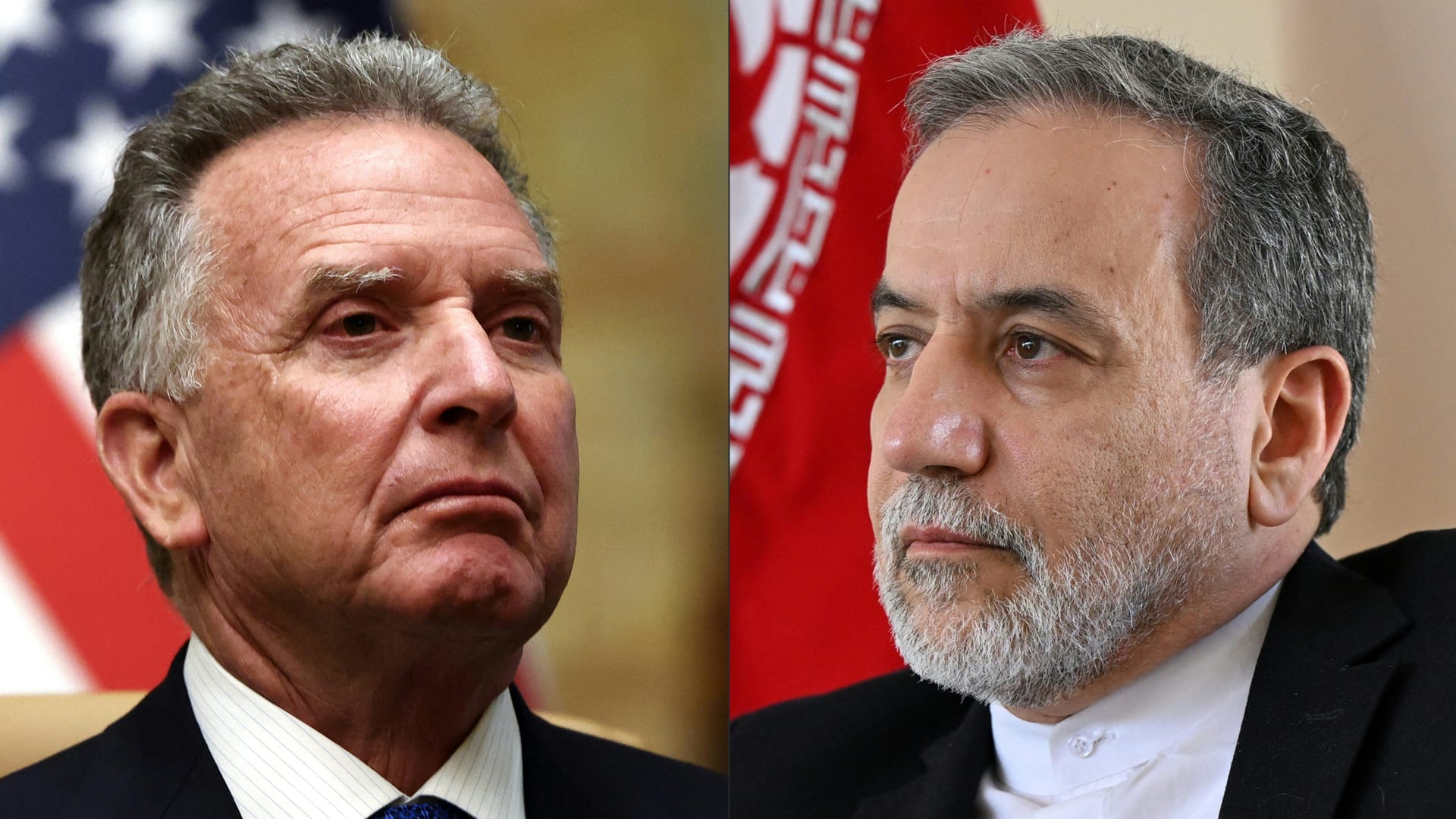
Iran's political landscape is witnessing new transformations with the re-emergence of Mohammad Reza Khatami, the former president of the Islamic Participation Front, amid significant political challenges. The front, which previously achieved major parliamentary victories, now faces new obstacles in the current climate.
The Islamic Participation Front is considered one of the most prominent reformist parties in Iran, relying on the ideas of the liberal theorist Ali Shariati, who greatly influenced Iranian political thought. The front managed to win most of the parliamentary seats during the fifth legislative elections, establishing itself as a significant political force in the country.
Details of the Event
Recently, Mohammad Reza Khatami has begun to reappear on the political scene, seeking to reshape the front and update its strategies to confront current challenges. This comes at a time when Iran is experiencing increasing economic and social crises, necessitating reformist leaders to take bold steps to adapt to the current situation.
The challenges facing the reformist front include declining popular support and political pressures from conservative factions that dominate many government institutions. There is also an urgent need to rebuild trust with voters, especially after many have been disappointed by previous reforms.
Background & Context
The Islamic Participation Front was established in the 1990s and emerged as a major political force in Iran, aiming to achieve radical changes in the political system. However, the front has faced numerous challenges, including political repression and a decline in public freedoms, which have affected its ability to achieve its objectives.
Over the years, Iran has witnessed significant changes in the political landscape, with varying levels of public support for reformist parties. As popular protests have surged in recent years, it has become clear that there is an urgent need to reassess political strategies, especially in light of the difficult economic conditions facing the country.
Impact & Consequences
Khatami's return to the political arena is seen as an indicator of the potential for substantive changes within the reformist front. If the front can rebuild its trust with voters, it may contribute to strengthening democracy in Iran and alleviating social tensions.
However, challenges remain, as the front must confront pressures from conservative factions seeking to maintain the status quo. There is also an urgent need to provide realistic solutions to the economic and social problems faced by citizens.
Regional Significance
The political developments in Iran have significant implications for the Arab region, as they can affect relations between Iran and its neighboring countries. If the reformist front can achieve political progress, it may lead to improved relations with Arab nations and enhance opportunities for regional cooperation.
Conversely, if political and economic conditions continue to deteriorate, it may exacerbate crises in the region and heighten tensions. Therefore, monitoring developments in Iran is essential for understanding regional dynamics.
In conclusion, the Iranian political landscape remains in a state of continuous change, highlighting the need for leadership capable of addressing current challenges. The emergence of Mohammad Reza Khatami may mark the beginning of a new phase of reforms, but success requires ongoing efforts and collaboration among all stakeholders.