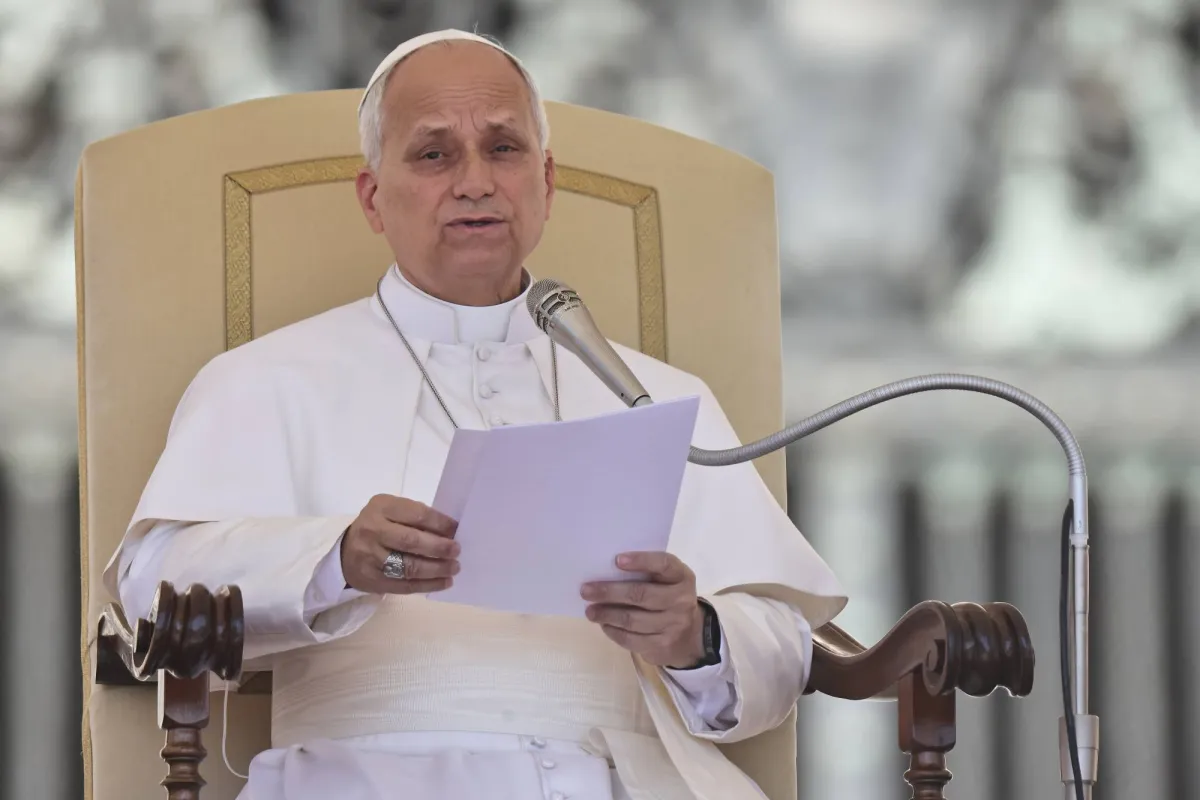
UN High Commissioner for Human Rights Volker Turk praised Pope Leo XIV's call for regulations on artificial intelligence (AI) during his first public address on Wednesday. The Pope emphasized the necessity of establishing controls over AI and its increasing impacts on humanity. Turk affirmed that this call is timely for safeguarding dignity and justice in the era of AI.
In his message, Pope Leo XIV warned against a "race towards increasingly powerful algorithms and expanding databases," noting that this trend is driven by the desire for geopolitical or commercial dominance. Turk highlighted the importance of keeping our shared humanity as the compass guiding us through this rapidly advancing technological era in a post on the platform "X."
Event Details
The United Nations anticipates that the value of AI will reach $4.8 trillion by 2033, indicating a significant increase in reliance on this technology. However, this surge could lead to profit monopolization by a limited number of actors, raising concerns about social and economic justice.
In his message, the Pope stressed the need to "disarm AI," emphasizing that decisions regarding life and death should not be delegated to technology. He also called for preventing the monopolization of AI and its dominance over human beings, asserting that technology should serve people rather than replace or control them.
Background & Context
This call comes at a time of growing global concern regarding the effects of AI on society. Recent years have seen rapid advancements in AI technologies, leading to questions about the ethics and necessary limitations to ensure their safe and responsible use. Concerns have been raised about the use of AI in areas such as security and defense, where it could lead to lethal decisions without human intervention.
Historically, there have been multiple calls from global leaders and NGOs for a legal and ethical framework for AI use. However, rapid technological progress has often outpaced these calls, making the need for urgent action more pressing.
Impact & Consequences
Failure to establish appropriate regulations for AI could result in severe consequences, including human rights violations and an increasing economic and social gap. Additionally, the use of AI in surveillance and espionage could threaten privacy and personal security.
In this context, Pope Leo XIV's call serves as a prompt for deep reflection on how to use technology responsibly. Collective efforts from governments, corporations, and civil society are essential to ensure that technological innovations serve humanity rather than the other way around.
Regional Significance
In the Arab world, where investments in technology and innovation are on the rise, the Pope's call represents an opportunity to emphasize the importance of ethics in AI usage. Arab nations must consider the potential risks of this technology and work to establish legal frameworks that protect individual rights and ensure social justice.
This call could also foster dialogue among cultures and religions about how to use technology for the benefit of all, enhancing international cooperation in this field.
In conclusion, Pope Leo XIV's call marks an important step towards raising global awareness about the risks associated with AI, and it should motivate everyone to work together for a safe and just future.