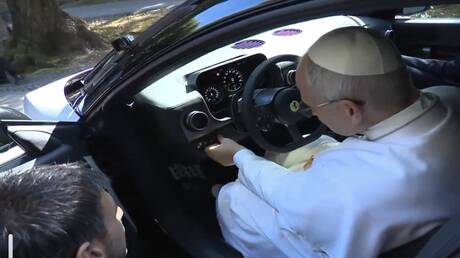
In a historic moment, Pope Leo XIV took the wheel of Ferrari's first fully electric car during a special event held at the papal summer residence in Castel Gandolfo, south of Rome. This vehicle represents a significant step in the automotive world, combining high performance with a commitment to environmental sustainability.
This car is part of Ferrari's strategy to expand its production to include electric vehicles, amid a global shift towards reducing carbon emissions. The event symbolizes a change in the automotive industry, as many major companies are moving towards developing environmentally friendly vehicles.
Event Details
The event was attended by several prominent figures, showcasing the new car to the media and the public. Pope Leo XIV expressed great enthusiasm while driving the car, reflecting his interest in modern technology and support for innovations that contribute to environmental preservation.
The car features a sleek design and outstanding performance, equipped with the latest technologies that ensure a unique driving experience. The importance of innovation in the automotive industry was highlighted, demonstrating how it can help achieve sustainability goals.
Background & Context
Ferrari is considered one of the leading companies in the luxury automotive industry and has recently focused on developing electric vehicles. This shift comes in response to the environmental challenges facing the world, as governments and companies strive to reduce reliance on fossil fuels.
In recent years, the automotive industry has undergone a significant transformation towards electric vehicles, with many companies competing in this field. This shift reflects changes in consumer preferences and increasing environmental awareness.
Impact & Consequences
Pope Leo XIV's initiative is a strong endorsement for the electric vehicle industry and may inspire many other companies to adopt similar strategies. This initiative could also influence government policies related to sustainability and technology.
This step is expected to raise awareness about the importance of innovation in transportation, potentially boosting investments in this sector. It may also contribute to changing prevailing perceptions about electric vehicles.
Regional Significance
In the Arab region, this initiative could serve as a catalyst for supporting technological innovations in the automotive industry. With increasing interest in sustainability and renewable energy, this initiative may inspire Arab companies to develop electric vehicles that meet local market needs.
Moreover, promoting the use of electric vehicles in Arab countries could help reduce pollution and improve air quality, benefiting public health and the environment.
In conclusion, Pope Leo XIV's driving of Ferrari's first electric car represents a symbolic step towards a more sustainable future in the automotive industry, reflecting the global trend towards innovation and clean technology.