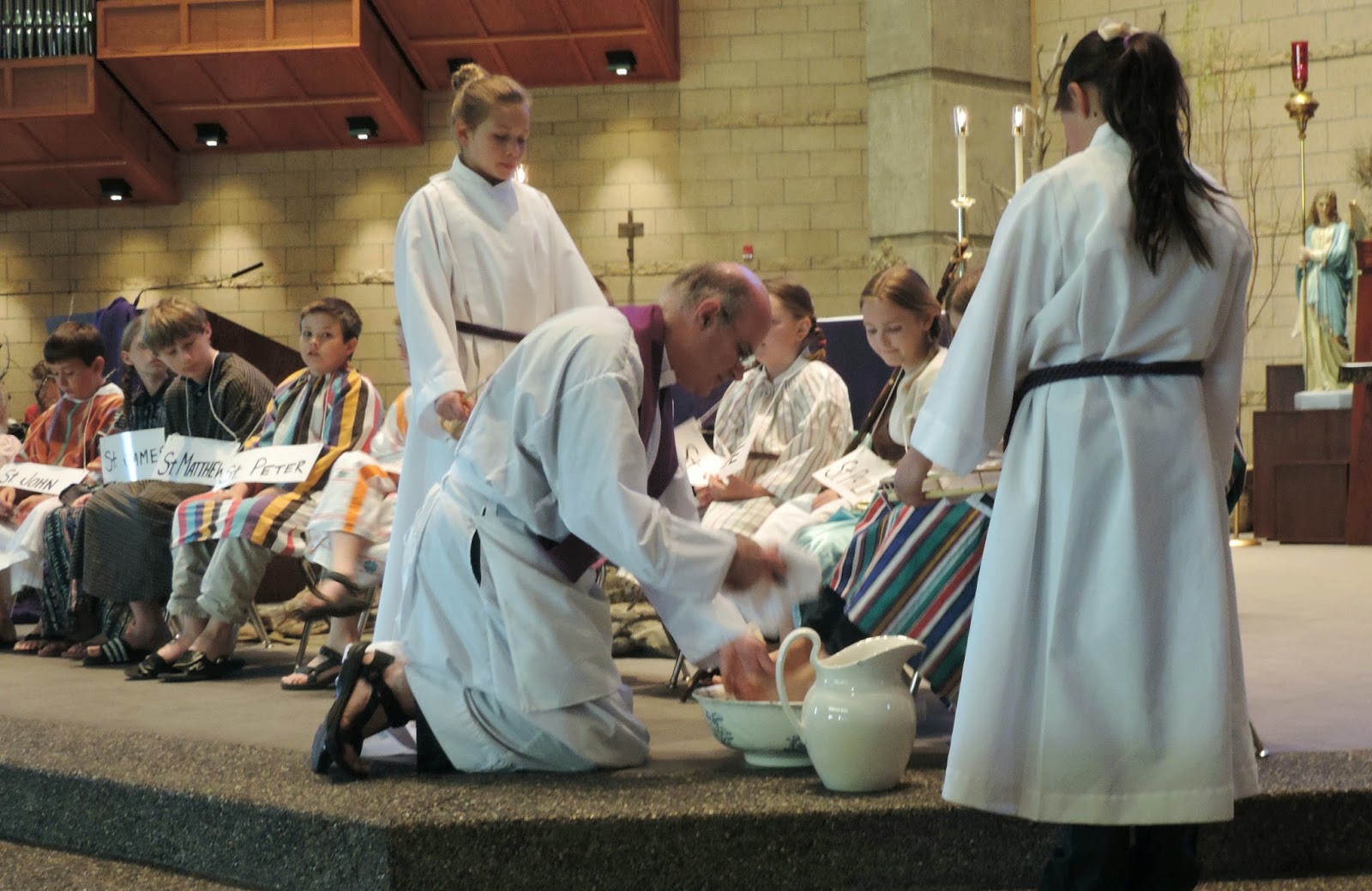
In a move that reflects the Catholic Church's commitment to the values of humility and service, Pope Francis revived the tradition of washing the feet of priests last Thursday, a symbolic rite that dates back to the roots of Christianity. This event follows Pope Francis's previous acts of washing the feet of prisoners and refugees, highlighting his concern for marginalized groups in society.
The ceremony, held at St. Peter's Cathedral in the Vatican, saw the attendance of a carefully selected group of priests whose feet were washed as a symbol of humility and service. This tradition, which dates back to the time of Christ, aims to remind everyone of the importance of serving others, especially in times of crisis.
Details of the Ceremony
During the ceremony, the Pope washed the feet of the priests and then kissed them, which is considered an expression of respect and appreciation. This tradition is typically practiced on Holy Thursday and is viewed as an opportunity to renew the commitment to service and humility. The Pope emphasized the significance of this rite in strengthening the bonds between priests and the faithful, asserting that they must be role models in society.
The importance of this tradition in fostering a collective spirit among priests was also highlighted, as washing the feet is seen as a symbol of solidarity and love. Many attendees expressed their emotional response to the ceremony, viewing it as an opportunity to reflect on the meanings of service and humility.
Background & Context
The tradition of washing feet dates back to the time of Christ, when Jesus washed the feet of his disciples as a symbol of humility and service. This tradition has been revived throughout the ages and is considered a fundamental part of Catholic rituals. In recent years, Pope Francis has expanded this tradition to include marginalized groups such as prisoners and refugees, reflecting his inclusive vision for the Church and its role in society.
This step comes at a sensitive time, as the Church faces significant challenges regarding trust and credibility. By reviving this tradition, the Pope aims to rebuild trust and strengthen the ties between the Church and the community.
Impact & Consequences
This step is seen as a sign of the Church's commitment to human values, demonstrating the Pope's desire to enhance human connections and provide support for vulnerable groups. The revival of this tradition may also contribute to improving the Church's image in society, especially amid the challenges it faces.
The event is expected to have a positive impact on the relationships between the Church and local communities, as the Pope's actions showcase his commitment to service and solidarity. This may encourage more individuals to engage in charitable and community work.
Regional Significance
In the Arab region, this tradition is viewed as an opportunity to enhance dialogue between religions and cultures. Reviving the values of humility and service can contribute to fostering understanding among diverse communities, especially amid tensions in certain countries.
This event also underscores the importance of humanitarian work in the region, illustrating how spiritual values can play a role in improving social and economic conditions. By promoting values of mercy and solidarity, the Church can contribute to building a more cohesive and cooperative society.