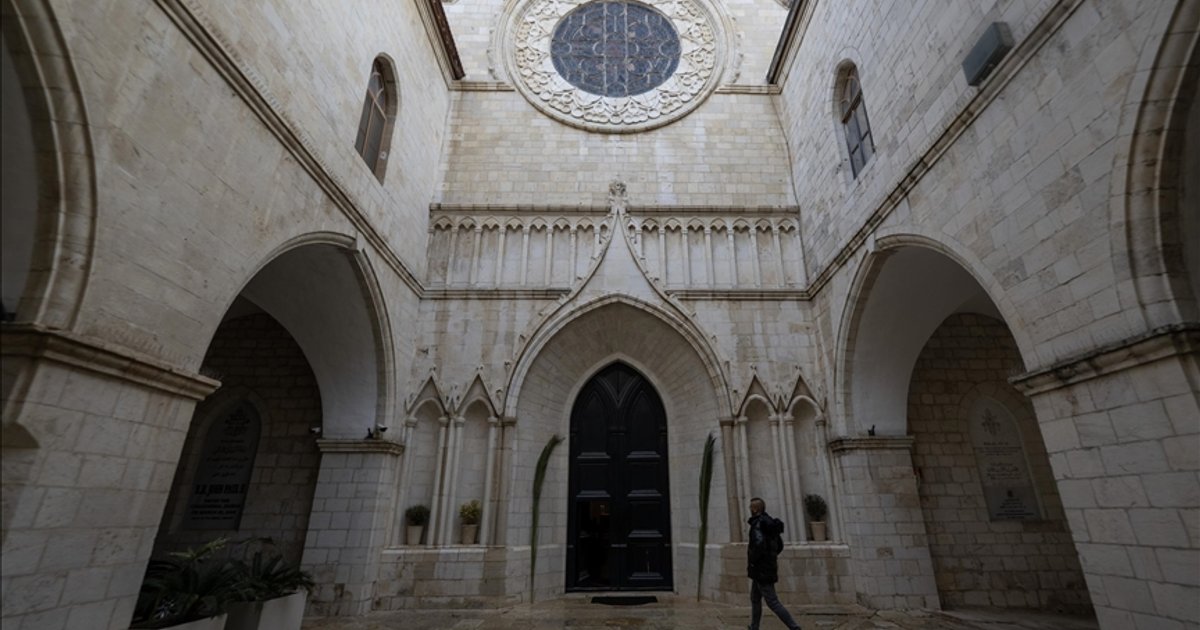
The Portuguese government has strongly condemned the Israeli authorities' ban on the Latin Patriarch from entering the Church of Jerusalem, stressing the importance of respecting freedom of religion and worship. The recent incident has sparked widespread reactions from the international community, with Portugal calling for the need to ensure freedom of worship for all religions in the holy city.
In detail, the Latin Patriarch, who represents a significant community of Christians in the region, was barred from entering the church, which is considered one of the holiest Christian sites. This action has caused great discontent among the Latin community, who view this ban as an infringement on their religious rights.
Details of the Incident
This incident comes amid a series of measures taken by Israeli authorities in recent years that have negatively affected freedom of worship in Jerusalem. The holy city has witnessed numerous events that have strained relations between different religions, particularly between Muslims and Christians.
It is noteworthy that the Church of the Holy Sepulchre, located in Jerusalem, is one of the most important religious landmarks for Christians, attracting thousands of visitors annually. The ban on the Latin Patriarch from entering it is a blatant violation of their rights, necessitating international intervention to ensure freedom of worship.
Background & Context
Historically, Jerusalem has seen many religious and political conflicts, as the city is sacred to Muslims, Christians, and Jews alike. Since the occupation of East Jerusalem in 1967, the rights of Palestinians, including those of Christians, have increasingly been violated. Israeli policies have led to the erosion of religious rights, raising concerns within the international community.
In recent years, calls have intensified from various countries and international organizations to protect the rights of religious minorities in Jerusalem. However, Israeli actions continue unabated, exacerbating tensions in the city.
Impact & Consequences
This incident could have serious repercussions on interfaith relations in Jerusalem. With increasing violations against freedom of worship, this may exacerbate religious conflicts and heighten tensions among different communities. The disregard for Christians' rights in Jerusalem could lead to negative reactions from the international community, potentially impacting Israel's image on the global stage.
Moreover, this incident may contribute to deepening the divide among religious communities in Jerusalem, making peaceful coexistence more challenging. As violations increase, so do the risks to peace and stability in the region.
Regional Significance
This incident serves as a wake-up call for Arab countries, reflecting the challenges faced by religious minorities in the region. Protecting the rights of Christians and Muslims in Jerusalem is a collective responsibility, and Arab nations must take a unified stance to defend their rights.
Additionally, this incident highlights the urgent need to promote interfaith dialogue, as peaceful coexistence is the only path to achieving stability in the region. Arab countries should work to support the rights of religious minorities and foster tolerance among all faiths.
In conclusion, the ban on the Latin Patriarch from entering the Church of Jerusalem is a blatant violation of human rights and freedom of worship. The international community must act swiftly to ensure the respect of all religions' rights in the holy city and work towards promoting peace and tolerance among different communities.