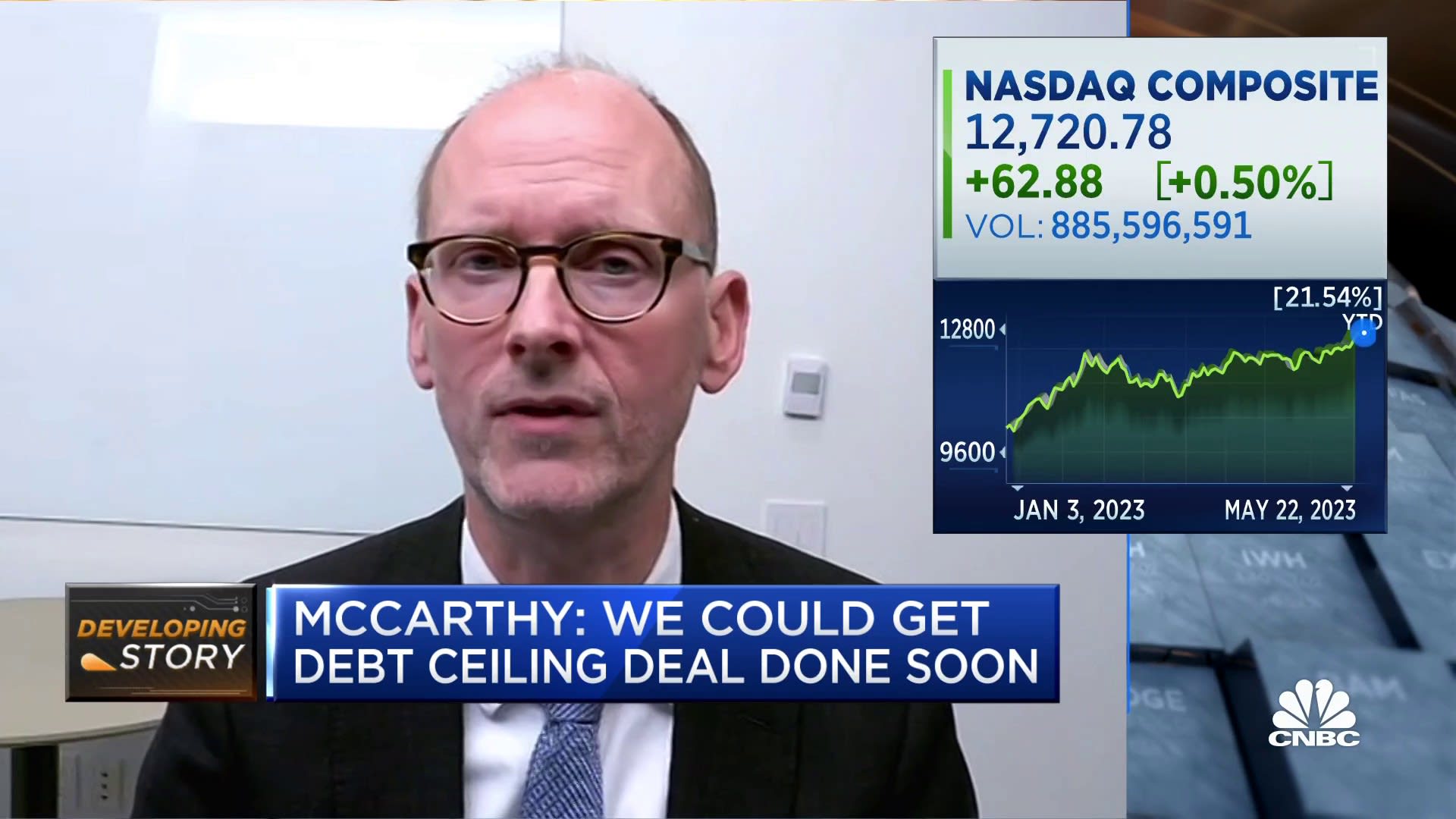
Thorsten Slok, chief economist at Apollo, has revealed positive forecasts for the growth of the US economy, pointing to three main factors that support these expectations despite the negative impacts stemming from the war in Iran. This analysis comes at a sensitive time as the United States faces increasing economic challenges due to current events in the Middle East.
The factors highlighted by Slok include strong consumption by American households, increased investments in infrastructure, and improved performance in the labor market. Together, these factors may contribute to enhancing economic growth and mitigating the effects of geopolitical tensions.
Key Factors Supporting Economic Growth
In his remarks, Slok emphasized that consumption is the primary driver of the US economy, as Americans continue to spend money on goods and services, reflecting consumer confidence. He also noted that infrastructure investments, supported by the federal government, play a significant role in bolstering economic growth.
Furthermore, Slok pointed out that the labor market in the United States is witnessing notable improvement, with unemployment rates declining and job opportunities increasing. This improvement in the labor market enhances households' ability to spend, thereby supporting economic growth.
Background & Context
Historically, the US economy has experienced fluctuations due to global events, including wars and conflicts. The war in Iran, in particular, may affect oil prices and cause instability in financial markets. However, the US economy's ability to adapt to these challenges has always been remarkable.
In recent years, the United States has taken steps to enhance its infrastructure and strengthen the labor market, which has helped improve economic performance. These efforts come at a critical time as the global economy seeks to recover from the impacts of the COVID-19 pandemic.
Impact & Consequences
If the positive factors identified by Slok continue, we may witness sustainable economic growth in the United States, which could positively influence global markets. However, geopolitical tensions, such as the war in Iran, may lead to fluctuations in financial markets and affect commodity prices.
The positive outlook for the growth of the US economy comes at a time when the world needs economic stability, as any decline in growth could impact other economies, especially those that rely on trade with the United States.
Regional Significance
For the Arab region, economic growth in the United States has both direct and indirect effects. Many Arab countries rely on trade with the United States, and any improvement in the US economy could lead to increased demand for goods and services from the region.
Moreover, economic stability in the United States may contribute to stabilizing oil prices, which is vital for Arab economies that heavily depend on oil revenues.
In conclusion, the US economy remains a mirror reflecting global challenges and opportunities. While the United States faces new challenges, the positive factors identified may contribute to enhancing growth, which could positively reflect on the global economy, including the Arab region.