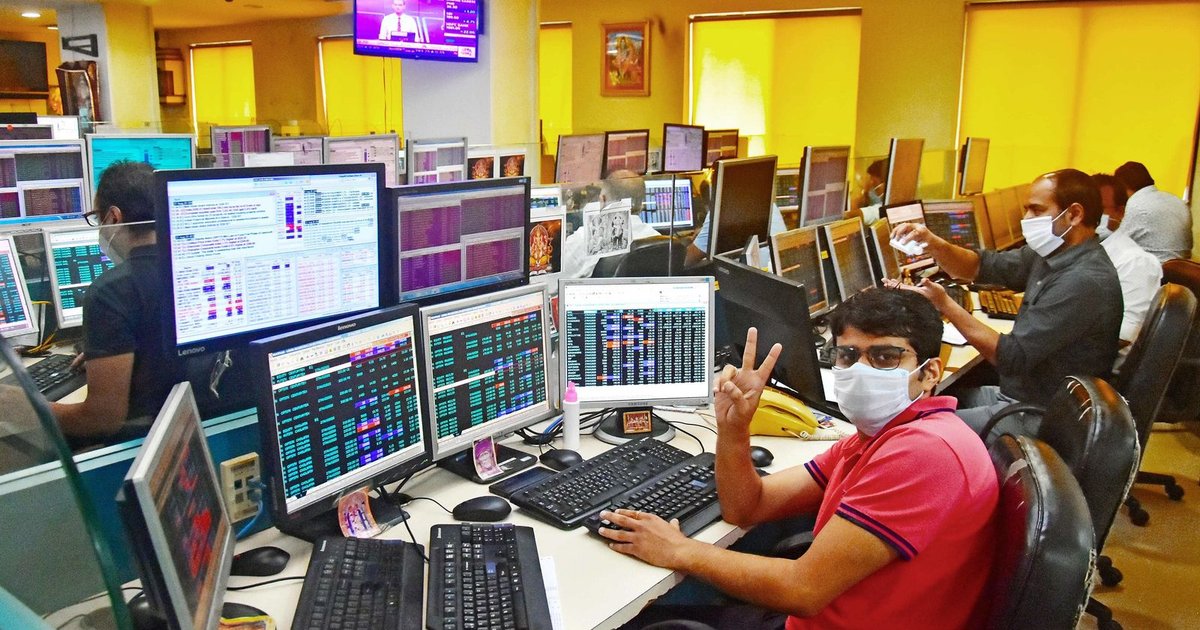
The Securities and Exchange Board of India has announced an extension of the validity of approvals for initial public offerings (IPOs) amid the current economic conditions characterized by sharp fluctuations and weak demand from investors. This decision comes at a crucial time for many companies that were hoping to raise funds by listing their shares in the market.
The Indian markets are facing significant challenges, as ongoing volatility has led to the postponement of listing plans for numerous companies. Observers have noted that this extension reflects the regulator's concern about the impact of economic conditions on companies' ability to attract investments.
Details of the Announcement
The Securities and Exchange Board of India aims to support companies during these difficult times by extending the validity period of IPO approvals. Many companies had received approvals for listing but found themselves forced to delay these plans due to unstable economic conditions.
Reports indicate that weak demand from investors has significantly contributed to these decisions, as investor confidence in the market has declined due to substantial price fluctuations. This has resulted in a decrease in the number of anticipated IPOs in the upcoming period.
Background & Context
Historically, India has seen notable growth in the IPO market, with many companies seeking to capitalize on available opportunities to raise capital. However, both global and local economic conditions have significantly affected this trend. The Indian markets have experienced sharp fluctuations in recent years, leading to a decline in investor confidence.
In recent years, there have been several attempts to bolster the IPO market, but current challenges may make it difficult for companies to achieve their objectives. The current situation requires a swift and effective response from the regulatory body to ensure market stability and attract investments.
Impact & Consequences
This decision is expected to have a significant impact on companies that were planning to list, as delays may lead to a reduction in growth and expansion plans. Additionally, weak demand from investors may affect companies' ability to raise the necessary funds to develop their businesses.
Furthermore, this situation may lead to reduced competition in the market, which could negatively impact innovation and economic growth. It is crucial for the government and regulatory bodies to take effective steps to support companies during these challenging times.
Regional Significance
India is considered one of the largest emerging markets in the world, and any changes in its economic policies may affect other markets, including Arab markets. Arab investors may be impacted by fluctuations in the Indian market, prompting them to reassess their investments in the region.
Moreover, economic relations between India and Arab countries may witness changes as a result of this situation, with Arab companies potentially seeking to explore new opportunities in other markets if challenges in India persist.
In conclusion, the decision to extend the validity of IPO approvals in India reflects the significant challenges facing the markets at present. It is essential for the relevant authorities to take effective steps to ensure market stability and attract investments, which will contribute to enhancing economic growth in the country.