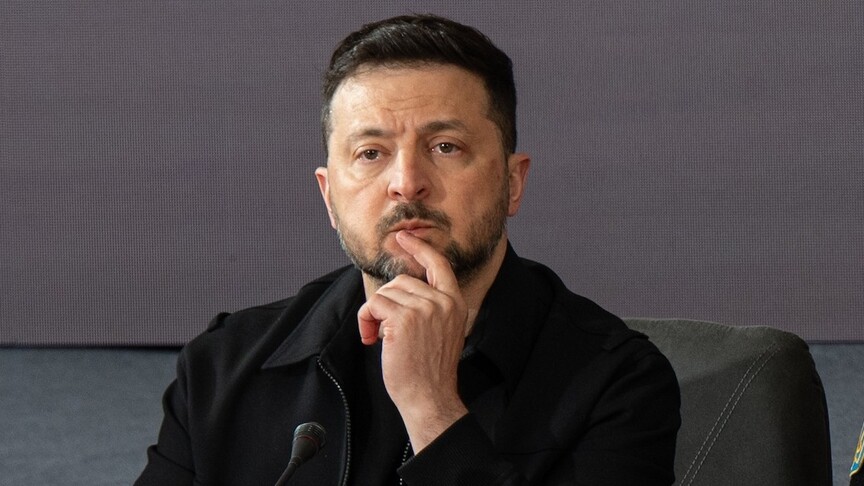
Ukrainian President Volodymyr Zelensky reported that there are positive steps towards the possibility of a meeting with his Russian counterpart Vladimir Putin. This statement follows Putin's announcement of his readiness to meet Zelensky in any third country, provided that the meeting is dedicated to finalizing a peace agreement to end the ongoing war that has lasted for four years.
These statements are seen as an indicator of potential progress in negotiations between the two parties, as both seek to end the conflict that has resulted in significant loss of life and widespread destruction in Ukraine. Zelensky emphasized the urgent need to conclude the conflict, which has greatly affected the lives of civilians in his country.
Details of the Event
Earlier, Russian President Vladimir Putin confirmed his willingness to meet with Zelensky, stressing that the goal of the meeting should be to reach a final peace agreement. Putin has shown flexibility in determining the location of the meeting, reflecting Russia's desire to find a peaceful solution to the conflict.
However, there remain numerous obstacles to peace, as the two sides have differing views on key issues such as borders and sovereignty. Zelensky has asserted that any agreement must guarantee Ukraine's rights and restore the territories it has lost.
Background & Context
The roots of the conflict between Russia and Ukraine date back to 2014 when Russia annexed Crimea, leading to an armed conflict in eastern Ukraine. Since then, the region has witnessed an escalation of violence, with Russian forces continuing to support separatists in the eastern areas.
Over the years, several rounds of negotiations have attempted to achieve peace, but they have often ended in failure. Nevertheless, recent statements from both sides indicate an increasing willingness to find a diplomatic solution.
Impact & Consequences
If a meeting occurs between Zelensky and Putin, it could have significant implications for regional and international security. Ending the conflict could contribute to stability in the region and enhance relations between Russia and Ukraine, potentially opening the door for greater cooperation in various fields.
On the other hand, any potential agreement may face opposition from certain factions within both countries, which could lead to renewed escalation if a comprehensive consensus is not achieved. Therefore, the success of negotiations depends on the leaders' ability to overcome historical differences.
Regional Significance
The Russian-Ukrainian conflict is a significant issue for the Arab region, as it impacts energy prices and food security. Any escalation in the conflict could lead to rising oil prices, affecting the economies of Arab countries that heavily rely on oil exports.
Moreover, the stability of Ukraine could contribute to enhancing food security in the region, as Ukraine is one of the largest grain exporters in the world. Thus, the success of negotiations could have positive effects on food security in Arab countries.
In conclusion, the recent statements from Zelensky and Putin reflect an increasing desire for peace, but the road ahead remains long. Leaders must work diligently to overcome obstacles and achieve a lasting agreement that ends the suffering of both peoples.