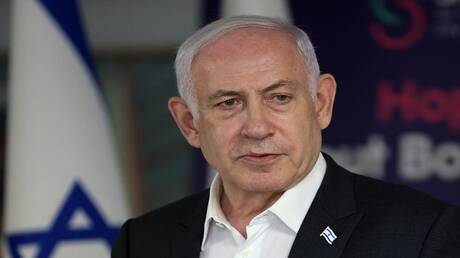
Reports have surfaced regarding a new path concerning the corruption case surrounding Israeli Prime Minister Benjamin Netanyahu, indicating a shift towards a legal settlement rather than a presidential pardon. Such a settlement could lead to the definitive end of his political career, placing him in an embarrassing position and leaving behind a 'moral stain' according to legal descriptions.
These developments come at a sensitive time for Netanyahu, who faces multiple corruption allegations, including accepting illegal gifts and providing preferential services to interested parties. These issues have significantly impacted his popularity, prompting him to explore legal options that might allow him to escape his current predicament.
Details of the Situation
Reports suggest that Netanyahu is facing increasing pressure from within his party and from the opposition, putting him in a vulnerable position. The options on the table include negotiating a settlement that could allow him to avoid trial, but this may require him to admit to some violations, which could negatively affect his political reputation.
If this settlement goes through, it would signify the end of his political journey, as it would become challenging for him to return to the political arena once classified as a corruption suspect. This situation could pave the way for other leaders within his party, Likud, to take over leadership roles.
Background & Context
Historically, Israel has witnessed numerous political cases linked to corruption, but Netanyahu's case is considered one of the most complex. He has served as Prime Minister for several terms and has faced widespread criticism for both his domestic and foreign policies, in addition to the legal issues he is entangled in.
Corruption in Israeli politics is a sensitive issue, with many citizens demanding accountability from their leaders. Recent years have seen an increase in public protests against corruption, reflecting the Israeli society's desire for change.
Impact & Consequences
If the proposed settlement is reached, it could lead to radical changes in the Israeli political landscape. It may open the door for new leaders to emerge within the Likud party, potentially affecting the party's future policies. Additionally, this could strengthen the opposition's position, which seeks to exploit the current situation to its advantage.
Moreover, these developments might influence Israel's relations with other countries, as a new government could be perceived as more stable or less corrupt, thereby enhancing its standing on the international stage.
Regional Significance
The political developments in Israel are of great importance to the Arab region, as any changes in leadership could impact the peace process and relations with Arab nations. Should new leaders emerge in Israel, the approach towards the Palestinian issue may shift, potentially opening new avenues for dialogue.
Furthermore, the internal situation in Israel could affect security and stability in the region, as any political unrest may escalate tensions. Therefore, monitoring these developments is essential for understanding regional dynamics.