Concerns are rising over escalating tensions between the United States and Iran, as American officials announce progress in negotiations with the Iranian regime. This announcement comes at a sensitive time, as military threats among the involved parties are intensifying, raising questions about the potential outcomes of this conflict.
In an interview with Bloomberg, Behnam Ben Taleblu from the Foundation for Defense of Democracies provided a comprehensive analysis of the possible scenarios for the end of the conflict. He emphasized that the current situation requires a strategic response from all parties involved, especially given the increasing threats from Iran.
Details of the Ongoing Negotiations
Attention is currently focused on the American negotiations with Iran, which could lead to unexpected outcomes. While the United States seeks to contain Iranian influence in the region, Iran continues to enhance its military capabilities, exacerbating tensions. Ben Taleblu pointed out that these negotiations might be the last opportunity to avoid a comprehensive military escalation.
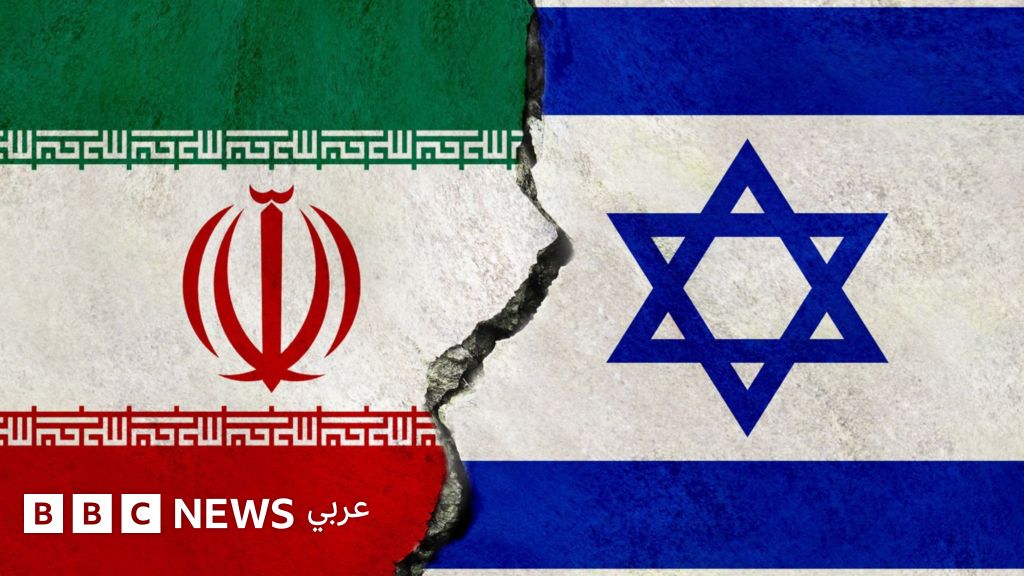
At the same time, Israel is closely monitoring these developments, considering Iran an existential threat. Reports have confirmed that Israel may take military action if Iran continues to develop its nuclear program. These dynamics make it difficult to predict how events will unfold in the coming days.
Background & Context
Historically, relations between the United States and Iran have been tense since the Islamic Revolution in 1979. These relations have witnessed numerous crises, including the Iran-Iraq War, the American invasion of Iraq, and the Iranian nuclear program. In recent years, tensions have significantly increased following the United States' withdrawal from the Iranian nuclear deal in 2018.
Today, Iran is considered one of the most influential countries in the Middle East, supporting armed groups in Iraq, Syria, and Lebanon. This growing influence has raised concerns among the United States and its allies, prompting them to take military and economic actions against Tehran.
Impact & Consequences
If negotiations continue without achieving progress, this could lead to military escalation between the United States and Iran. Such escalation could affect regional security and increase instability in the Middle East. Additionally, any military action could provoke reactions from Iran's allies, potentially expanding the scope of the conflict.
Moreover, ongoing tensions could impact global oil prices, as any escalation in the region could lead to significant price increases. This situation could affect the global economy, especially amid current economic crises.
Regional Significance
Neighboring Arab countries to Iran find themselves in a sensitive position, as they may be directly affected by any military escalation. Countries like Iraq, Syria, and Lebanon could find themselves at the heart of the conflict, increasing the suffering of their populations. Gulf countries, such as Saudi Arabia and the UAE, may also be significantly impacted by any military escalation, leading to heightened tensions in the region.
In conclusion, the situation in the Middle East remains complex, as political and military interests intertwine. The current negotiations between the United States and Iran could be crucial in determining the course of events in the region. Therefore, monitoring these developments will be essential to understanding the potential impact on regional and international security.