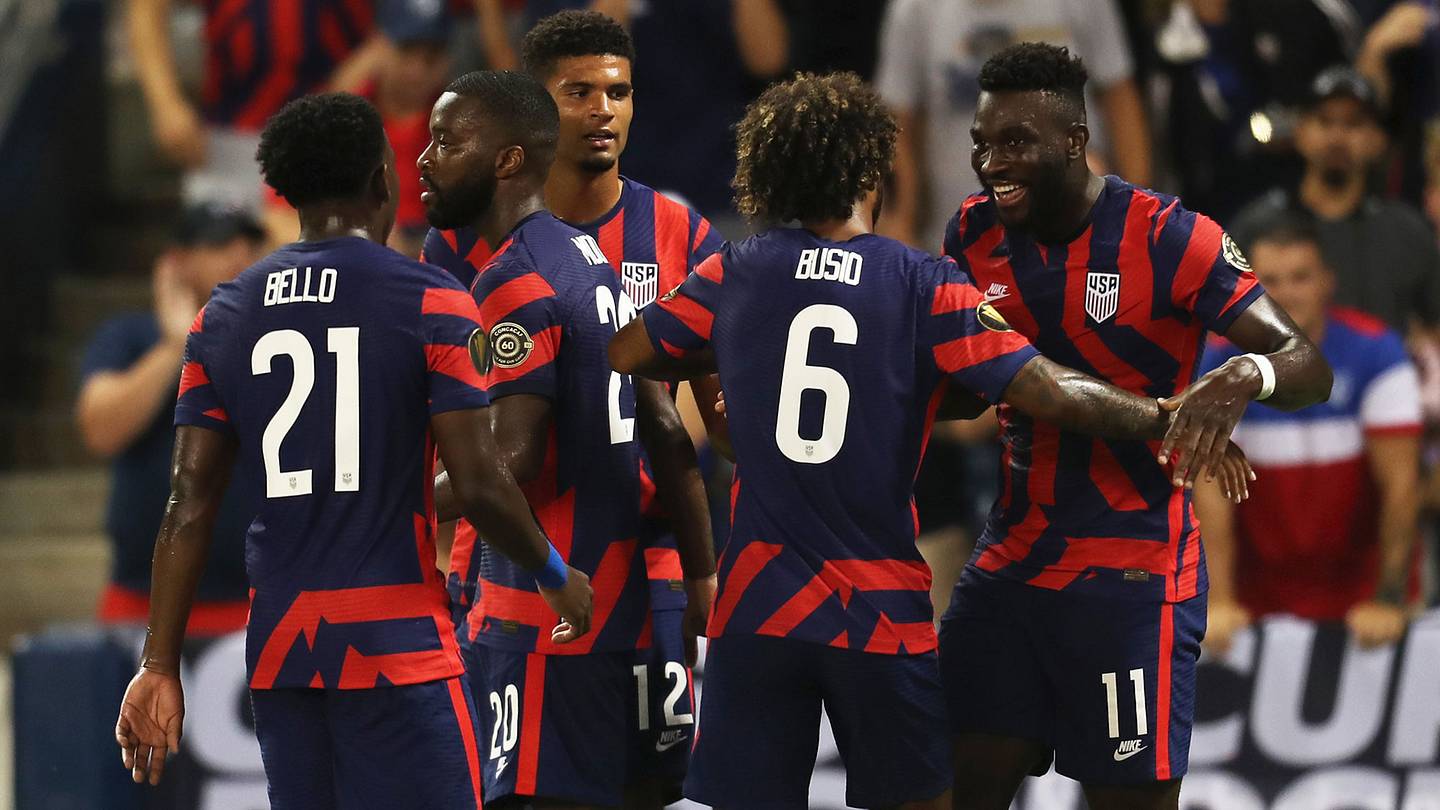
The US Men's National Team (USMNT) is preparing to participate in the 2026 World Cup, which will be held in the United States, Canada, and Mexico. As the tournament date draws near, interest is rising around the players that coach Mauricio Pochettino will choose for his final lineup. This event is a significant opportunity for the US team to showcase its growth in the global football arena.
The 2026 World Cup presents a golden opportunity for the US team, as they aim to achieve remarkable results following a strong performance in the qualifiers. Major changes are expected in the squad, with many young players proving their worth in both domestic and international competitions.
Event Details
National teams around the world are preparing to deliver their best performances at the 2026 World Cup, with the US team being among those showing great potential. Pochettino, the renowned Argentine coach, has extensive experience managing top teams, which gives the US team a competitive edge. It is anticipated that Pochettino will rely on a mix of experienced players and talented youth.
The list of potential players for the US team includes prominent names such as Christian Pulisic, who is considered one of the brightest talents in American football. There is also expected to be special attention on players who have excelled in European leagues, reflecting the evolution of American football on the global stage.
Background & Context
Historically, the US team has faced significant challenges in international competitions, but in recent years, the team has shown remarkable improvement. They qualified for the 2022 World Cup in Qatar, where they performed well, increasing fan hopes for better results in the upcoming tournament. Pochettino is seen as a good choice to coach the team, as he has a clear vision for player development and achieving success.
The 2026 World Cup is an opportunity to enhance the status of football in the United States, as it will be the first time the tournament is held in three countries. This event is expected to attract millions of fans worldwide, increasing the importance of American performance in the tournament.
Impact & Consequences
If the US team can deliver a strong performance at the 2026 World Cup, it could bolster the status of football in the country and increase the game's popularity among youth. Success in the tournament may also contribute to attracting more investments in American football, aiding in the development of the sport's infrastructure.
On another note, the success of the US team in the World Cup could be an indicator of the sport's evolution in the region, potentially encouraging other countries in North America to invest in football and develop their talents.
Regional Significance
Football is one of the most popular sports globally and has a significant impact on communities. The success of the US team in the World Cup could inspire Arab youth and enhance the spirit of competition in the region. Additionally, the tournament serves as an opportunity for cultural exchange and strengthening relationships between countries.
In conclusion, the 2026 World Cup is expected to be a turning point in the history of American football, as the team aims to achieve accomplishments that place them among the top teams. With a coach like Pochettino, hopes are high for delivering a performance that satisfies fans.