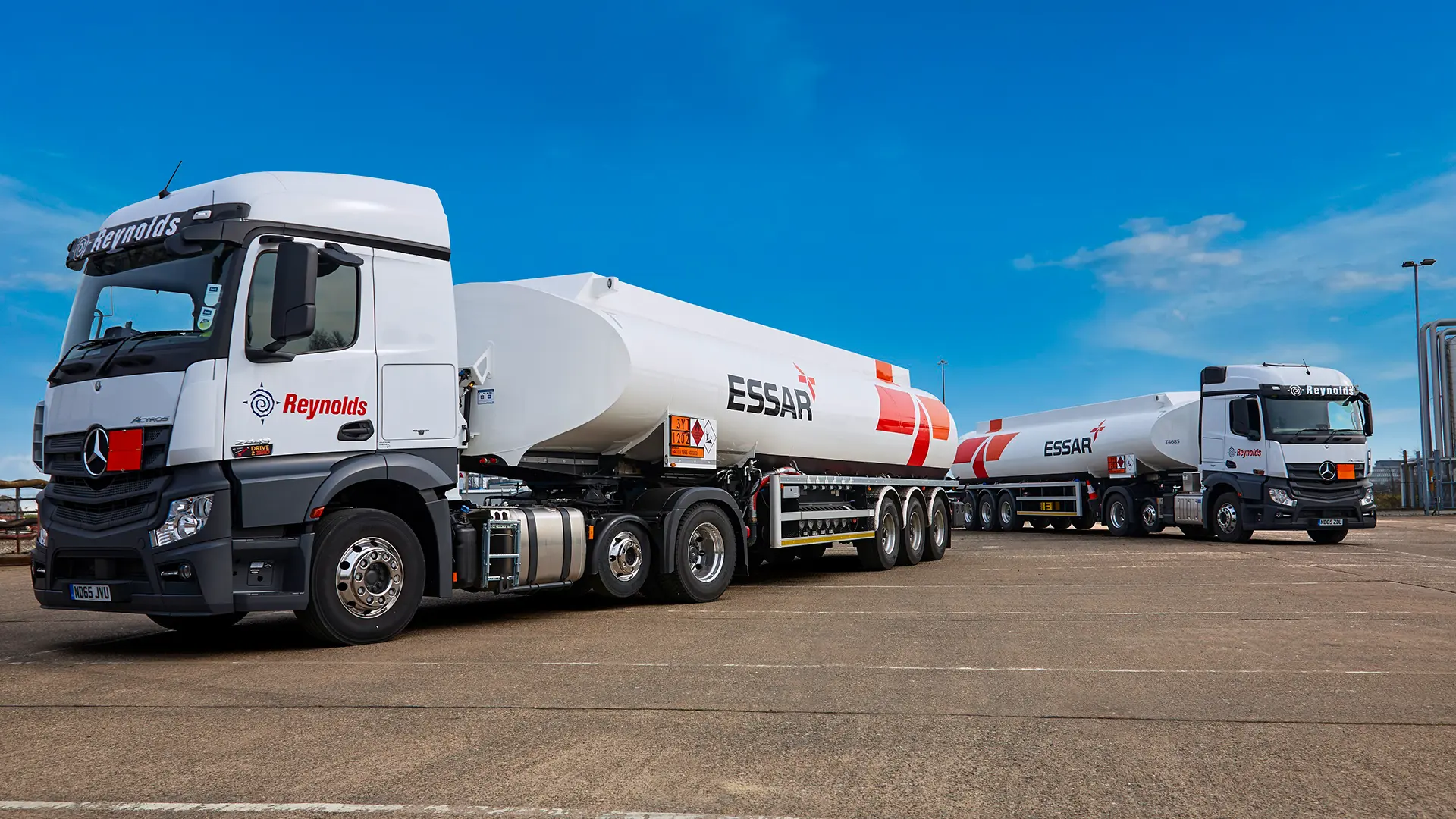
The United Kingdom is preparing to receive the last aircraft fuel tanker from the Middle East this week, raising fears of potential disruptions in fuel supplies. This step comes at a time when the country is facing warnings from the industry about the possibility of a fuel shortage, while the government calls for calm and urges citizens to avoid panic.
The arrival of this tanker is seen as a turning point in the supply chain, as fuel used in aircraft is a vital element for the aviation sector. However, warnings issued by some companies indicate that the situation may be more complex than it appears, raising questions about the government's ability to manage the crisis.
Details of the Event
These developments come amid increasing demand for aircraft fuel in the United Kingdom, especially with the travel season approaching. Industry sources have confirmed an urgent need to ensure the continuity of supplies, as any disruption could significantly impact flight operations. At the same time, the government is trying to reassure citizens that the situation is under control and that there are contingency plans in place to address any potential shortages.
Despite these statements, many industry experts believe the situation may be more complicated. They have pointed out that multiple factors affect fuel supplies, including geopolitical tensions in the region, which could lead to price fluctuations or even shipment interruptions.
Background & Context
Historically, the United Kingdom has relied heavily on fuel supplies from the Middle East, as this region is considered one of the largest sources of oil and gas in the world. However, political tensions and conflicts in this area have significantly affected the stability of supplies. In recent years, we have witnessed several crises that have led to price increases and market volatility.
In 2021, for example, the United Kingdom experienced a fuel supply shortage due to disruptions in the supply chain, resulting in long queues at gas stations. These events highlight the importance of securing stable fuel supplies, especially under current circumstances.
Impact & Consequences
If any disruptions occur in aircraft fuel supplies, this could lead to negative impacts on the aviation sector, potentially causing flight delays and cancellations. This situation could also affect tourism and the economy in general, as many sectors depend on air travel.
Moreover, any increase in fuel prices could lead to higher travel costs, which might deter some travelers from flying. Under these circumstances, the government and relevant companies must take proactive measures to ensure supply stability and avoid any future crises.
Regional Significance
The Arab region is directly affected by these developments, as many countries rely on fuel supplies from the Middle East. Any disruptions in supplies could impact global oil prices, potentially leading to increased economic tensions in the region. Additionally, fuel supply crises could affect trade relations between Arab countries and Western nations.
In conclusion, the situation in the United Kingdom remains under observation, as any changes in fuel supplies could affect numerous sectors. It is crucial for the government and relevant companies to take proactive steps to ensure supply stability and avoid any future crises.