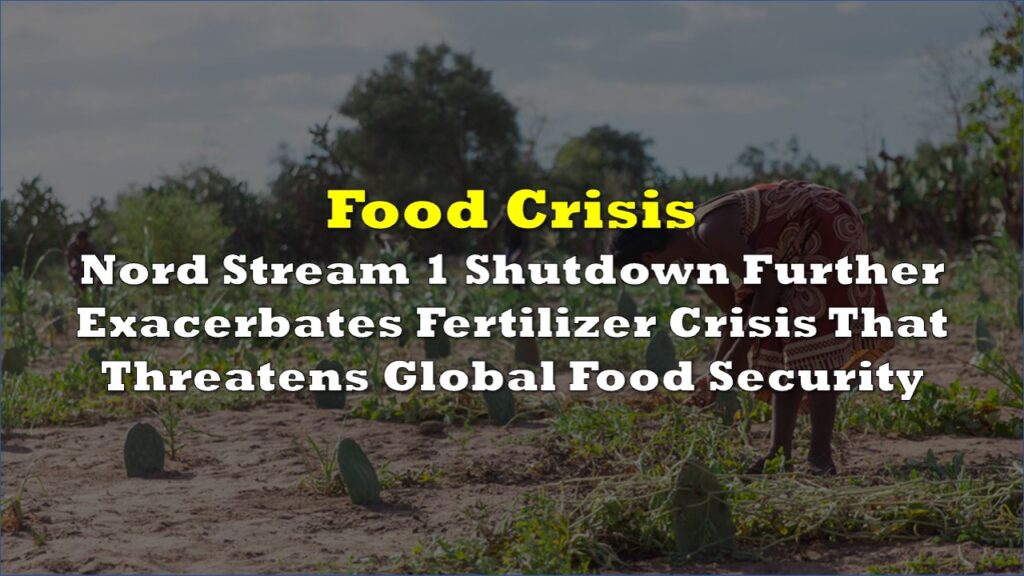
Indonesian Deputy Speaker Edi Supriano has called on the Indonesian government to take proactive measures to address the rising prices of plastic and fertilizers, a consequence of the global energy crisis stemming from the closure of the Strait of Hormuz. Supriano explained in statements from the capital Jakarta that the shortage of oil supplies will directly affect the prices of essential commodities that rely on hydrocarbon materials.
Supriano pointed out that many essential products, such as plastic, fertilizers, and medicines, have already seen or will see price increases due to rising production costs. He noted that the government bears part of this increase in fuel prices, but it is crucial to have strategies in place to cope with the anticipated price hikes.
Details of the Situation
In light of the current crisis, Supriano confirmed that the prices of essential materials such as food containers, bottled water, and household items will experience a significant rise. He also indicated that food prices will be affected due to the increase in fertilizer costs, which heavily depend on natural gas as a raw material.
Supriano urged the government to take proactive steps to ensure price stability, praising the efforts made by the government to absorb part of the fuel price increase, which helps protect the purchasing power of citizens.
Background & Context
Historically, the Strait of Hormuz is one of the most important waterways in the world, through which approximately 20% of the world's oil passes. Any closure or disruption in this strait significantly impacts global markets, leading to rising oil and gas prices. This increase in energy prices, in turn, affects the production costs of many essential goods.
In recent years, Indonesia, like many other countries, has experienced fluctuations in the prices of essential goods due to global crises. With the growing reliance on oil products, it has become imperative for the government to adopt effective policies to tackle these challenges.
Impact & Consequences
The expected rise in plastic and fertilizer prices is likely to have negative effects on the Indonesian economy, particularly on vulnerable groups. The increase in prices may reduce citizens' purchasing power, adversely affecting their standard of living. Additionally, rising production costs could lead to a reduction in investments in certain sectors.
Despite government efforts, challenges remain. Coordination among various sectors is required to ensure an effective response to the crisis. Furthermore, raising awareness among citizens about the importance of consumption rationalization and recycling can help alleviate economic burdens.
Regional Significance
The current energy crisis has wide-ranging effects on the Arab region, where many Arab countries rely on oil and gas exports. Any rise in energy prices could impact the economies of these nations, necessitating proactive measures to ensure market stability.
Moreover, Arab countries that import essential products from Indonesia may face challenges in securing their needs, highlighting the need for enhanced regional cooperation to address these crises.