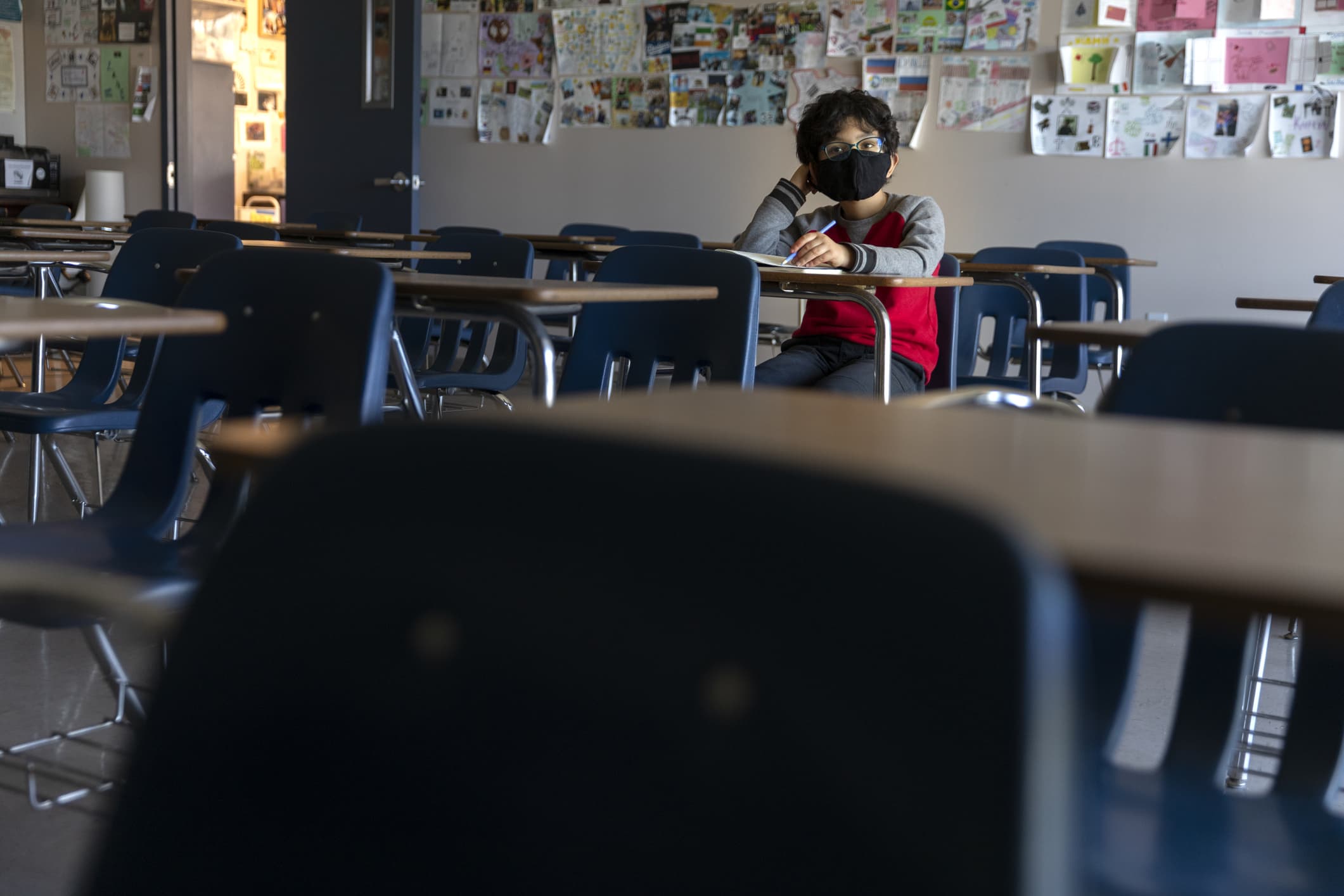
With the start of the new school year, many parents and teachers are raising questions about students' readiness to return to school. Are they adequately prepared to face the academic challenges that await them?
The return to school comes after a period of disruption due to the COVID-19 pandemic, which significantly impacted educational systems worldwide. However, this year's return carries new hopes and renewed challenges, as everyone strives to make the most of the educational process.
Event Details
Schools in many Arab countries are beginning to welcome students across various educational stages, having implemented precautionary measures to ensure everyone's safety. These measures include reducing the number of students in classrooms, enhancing hygiene protocols, and providing vaccinations for teachers and students. Additionally, curricula have been updated to align with the changes that occurred over the past two years.
In this context, the Ministry of Education in several Arab countries has emphasized the importance of returning to schools as a fundamental step in restoring the educational system. Officials have pointed out that in-person education is more effective than remote learning, as it allows students to interact directly with their teachers and peers.
Background & Context
Recent years have witnessed significant transformations in educational systems due to the COVID-19 pandemic. Many students transitioned to remote learning, which affected their academic performance. With the return to schools, teachers and parents are eager to rebuild the academic routine and enhance student motivation.
The return to school is seen as an opportunity to strengthen students' social and psychological skills, as they can interact with their peers and develop personal skills. Furthermore, returning to classrooms contributes to improving the mental health of students who suffered from isolation during lockdown periods.
Impact & Consequences
The implications of returning to school extend beyond the academic realm, affecting multiple aspects of students' lives. Social interaction with peers boosts their self-confidence and helps them develop communication skills.
Moreover, the return to school provides teachers with a better opportunity to assess students' levels, enabling them to offer the necessary support tailored to each student's needs. Consequently, this return can contribute to improving overall academic outcomes.
Regional Significance
The return to school in Arab countries is a crucial step towards restoring normalcy after a period of disruption. Education is one of the foundational pillars for building communities and directly influences economic and social development.
Arab countries are striving to enhance their educational systems by investing in school infrastructure and developing curricula. The success of the return to school depends on collaboration among all stakeholders, including governments, teachers, and parents.
In conclusion, the return to school represents a new opportunity for students to achieve their academic goals and develop their skills. With proper preparation and cooperation among all parties, this return can mark a new beginning towards a bright future.