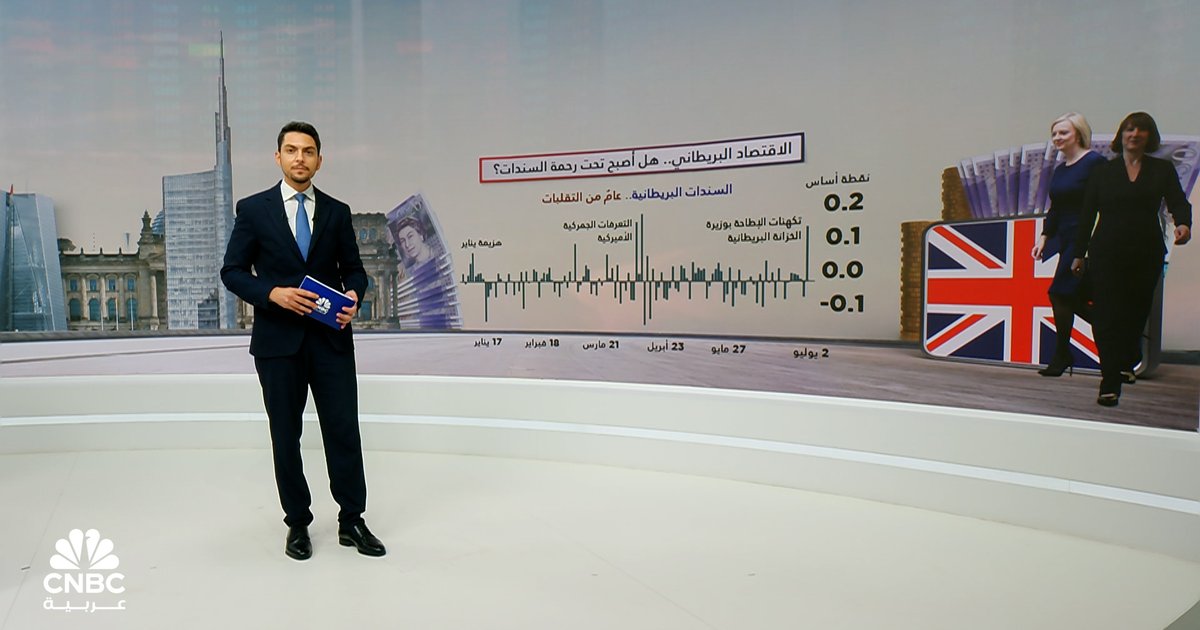
UK government bonds are confronting a challenging situation, likely to mark their worst month since the infamous ousting of former Prime Minister Liz Truss. This comes amidst rising conflicts in the Middle East, leading to record-high energy costs and yields. This scenario reflects substantial anxiety in financial circles and among investors, who find themselves amid an exceedingly volatile economic landscape.
The ongoing conflict in the region has produced a strong shock to global markets, resulting in significant increases in oil and gas prices. These developments have heightened economic uncertainty in the UK, which is already grappling with multiple economic challenges.
Details of the Current Situation
Forecasts suggest that yields on UK government bonds will rise this month, potentially exacerbating the country’s financial and economic situation. According to data, escalating tensions in the Middle East have contributed to a decline in demand for government bonds. Consequently, borrowing costs for the government may increase.
Earlier this year, financial markets experienced similar developments that led to Liz Truss's exit from her position. Numerically speaking, this performance represents the worst monthly level since her dismissal, intensifying concerns regarding financial stability in the country.
Background & Context
It is important to understand that these events are occurring within a complex historical context, where the UK is facing economic challenges due to several factors, including the repercussions of the COVID-19 pandemic, the country's exit from the European Union, and ongoing internal and external political tensions. Collectively, these factors have impacted the labor market and inflation, thereby increasing pressures on the current government.
Furthermore, there has been a growing need to reassess energy policies in the UK, especially amid rising energy prices and unexpectedly changing weather conditions.
Impact & Consequences
Rising bond yields imply that the government will face increasing difficulties in borrowing, which could negatively affect its public budget and its ability to implement projects. With ongoing turmoil in financial markets, domestic consumption may decline, leading to adverse effects on economic growth.
Moreover, the current bond situation may increase pressure on the Bank of England to raise interest rates to counter inflation generated by soaring energy costs, which may broadly impact financial and economic stability.
Regional Significance
The situation in the UK significantly reflects on Arab countries, particularly oil-exporting nations that might see an increase in energy demand if oil prices continue to rise. Consequently, Arab nations could benefit from this situation through increased oil revenues.
However, ongoing tensions may place many Arab economies in a precarious position, especially those relying on stability in Western markets to secure their investments and developmental projects. This underscores the importance of monitoring geopolitical events' impact on the Arab economy and its link to global energy markets.
In conclusion, this situation in the UK market reflects complex challenges that transcend national borders, requiring economists and policymakers to carefully consider their options to address these volatile dynamics.