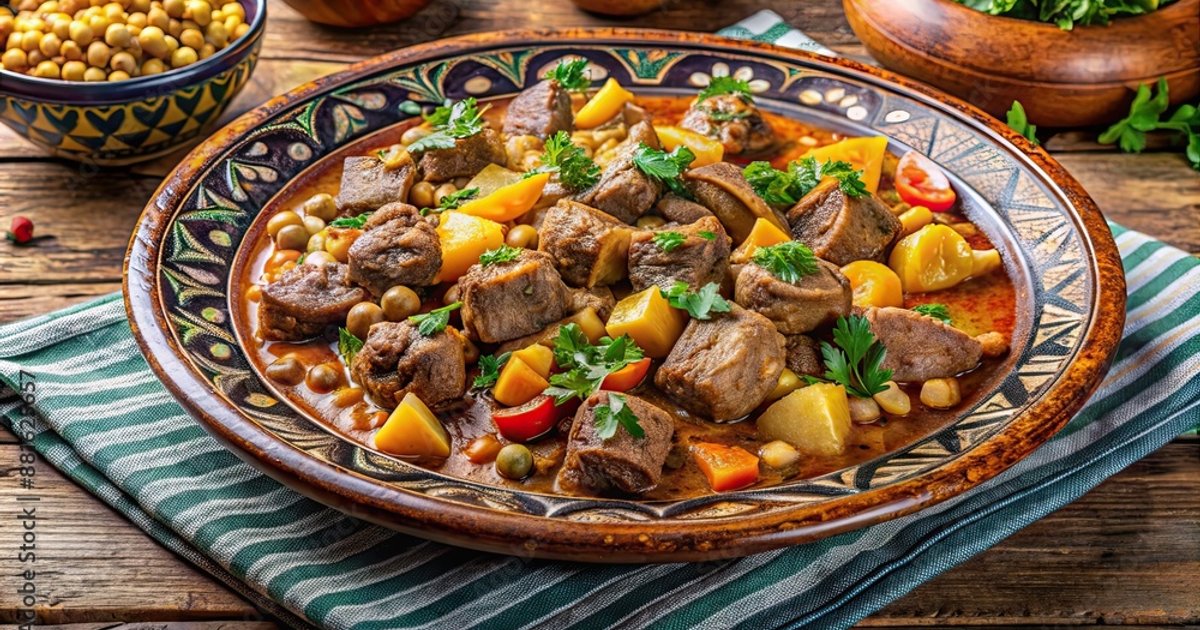
Makbuka pasta is one of the traditional and famous dishes in Libyan cuisine, distinguished by its unique flavor and simple preparation method. This recipe is an ideal choice for pasta lovers, combining basic ingredients with rich flavors.
The main ingredients of makbuka pasta include pasta, meat, onions, tomatoes, and spices. It can be easily prepared at home, making it a favorite option for families on various occasions.
Preparation Steps for Makbuka Pasta
The preparation process begins by heating oil in a pot over the stove, then adding chopped onions and frying them until they turn golden brown. Next, minced meat is added and cooked until it is tender. Chopped tomatoes and spices such as cumin and coriander are then added, imparting a distinctive flavor to the dish.
After that, the pasta is added to the mixture and stirred well, followed by the addition of water, which is left to boil until the pasta is cooked. The dish can be served with a sprinkle of chopped parsley for an aesthetic touch.
Background & Context
Makbuka pasta is considered part of Libya's cultural heritage, reflecting the country's history and cultural diversity. It is believed that this dish dates back to ancient times, where it was prepared for special occasions and celebrations.
Makbuka pasta is known for being a delicious and nutritious dish, making it an ideal choice for families. Additionally, its easy preparation makes it suitable for daily cooking.
Impact & Consequences
Makbuka pasta contributes to enhancing Libyan cultural identity, as it is considered a symbol of hospitality and generosity. The spread of this dish in other Arab countries reflects the influence of Libyan cuisine on regional foods.
These traditional dishes help strengthen family bonds, as individuals gather around the dining table to enjoy a delicious meal that expresses cultural heritage.
Regional Significance
Makbuka pasta exemplifies how traditional foods can enhance cultural identity in the Arab world. This dish demonstrates how simple ingredients can make a significant difference in flavor and dining experience.
Moreover, the exchange of recipes among Arab countries fosters cultural cooperation and contributes to mutual understanding among peoples.
In conclusion, makbuka pasta is not just a delicious dish; it embodies Libyan culture and history. By preparing it, everyone can enjoy a unique flavor and a rich cultural experience.