Egyptians are gearing up to celebrate Sham El-Nessim by preparing lupin beans, a traditional dish that can be made in just three days. This recipe is a cherished custom that adds a unique flavor to the holiday.
Lupin beans are a popular food choice during celebrations, known for their delicious taste and numerous health benefits. In this article, we will outline the step-by-step process for preparing lupin beans, along with some information about their benefits and significance in Egyptian culture.
Event Details
The process of preparing lupin beans begins with soaking them in water for 24 hours, which helps soften the beans. After that, the lupin beans are boiled for about one hour, then drained and soaked again in water for two days, changing the water daily. These steps ensure the removal of the bitterness present in the beans, making them more palatable.
Once the soaking period is over, salt and spices can be added to taste. Many prefer to enjoy lupin beans with lemon or spices, which adds a distinctive flavor. They can be served as a snack or as part of a main meal during the celebrations.
Background & Context
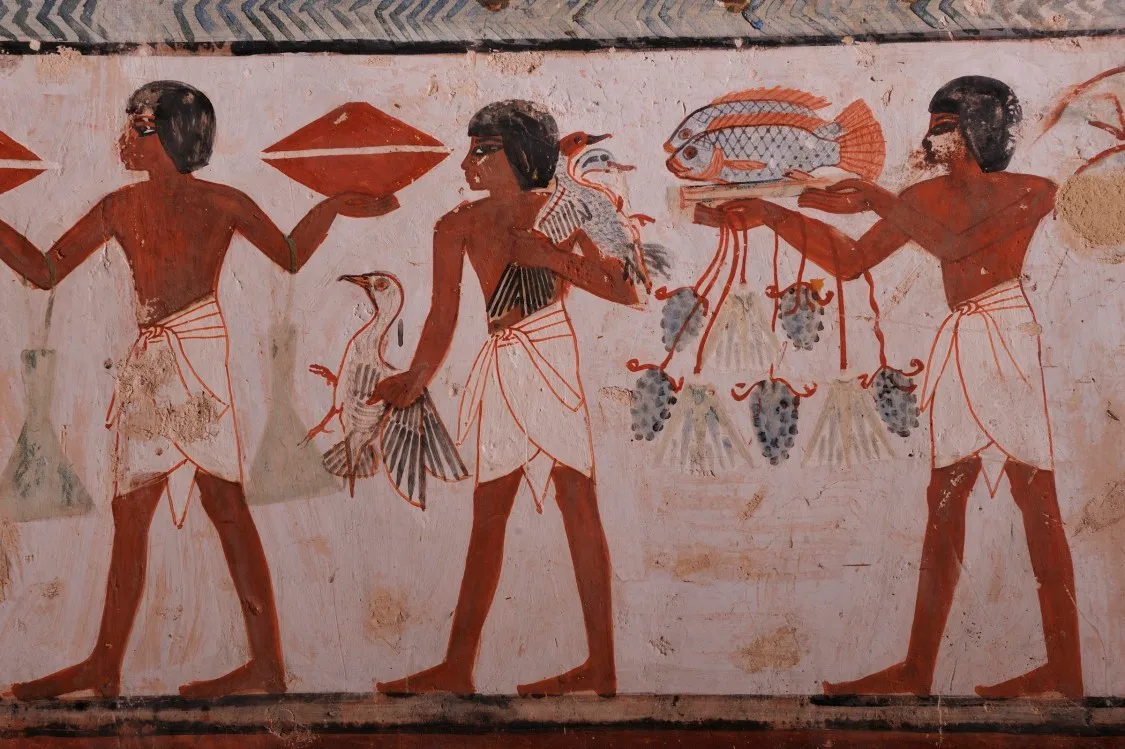
The celebration of Sham El-Nessim dates back to Pharaonic times, symbolizing the beginning of spring. This holiday is a symbol of renewal and fertility, celebrated by Egyptians for thousands of years. Among the traditional foods prepared during this holiday, lupin beans are among the top choices.
There are various methods of preparing lupin beans across different regions of Egypt, with each area adding its own unique touch. Over time, lupin beans have become an integral part of Egyptian food culture and are considered a symbol of popular heritage.
Impact & Consequences
The celebrations of Sham El-Nessim contribute to strengthening family and social bonds among Egyptians. Families and friends gather to enjoy traditional foods, enhancing the spirit of cooperation and love. Additionally, these celebrations support the local economy by increasing demand for food products and ingredients necessary for preparing traditional dishes.
Moreover, consuming lupin beans during Sham El-Nessim provides an opportunity to introduce new generations to Egyptian cultural heritage, contributing to the preservation of popular customs and traditions.
Regional Significance
Sham El-Nessim is an occasion celebrated by many Arab countries, where some customs and traditions are similar. Lupin beans are part of the popular cuisine in several countries, reflecting the shared heritage among Arab peoples.
These celebrations help reinforce Arab cultural identity and emphasize the importance of preserving customs and traditions that connect generations. They also reflect the spirit of cooperation and love that prevails among Arab peoples during various occasions.
In conclusion, lupin beans remain a symbol of the Sham El-Nessim celebration, reflecting Egypt's rich cultural heritage. Preparing them in just three days makes them an ideal choice for this occasion, ensuring that everyone enjoys their delicious taste and health benefits.