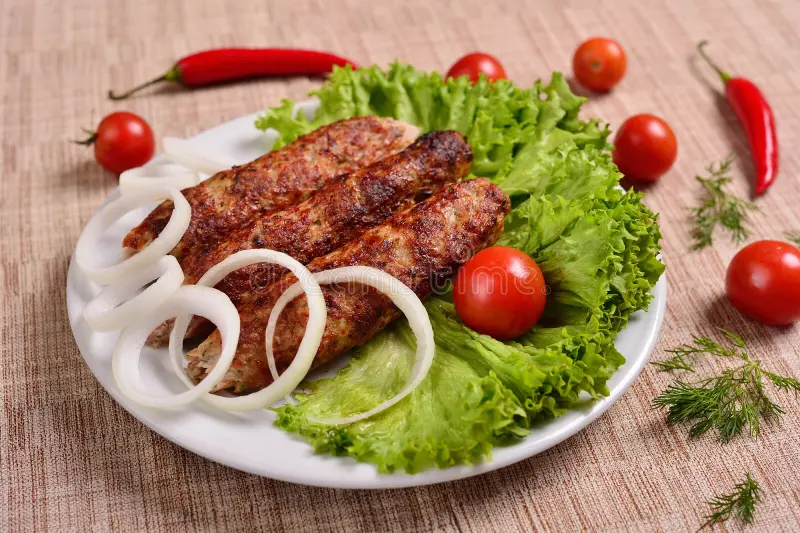
Mebkebka with meat is a traditional and delicious dish that is ideal for cold weather. This recipe is characterized by its rich ingredients and unique flavor, making it a perfect choice for winter gatherings.
The main components of Mebkebka include meat, onions, tomatoes, and spices, which are cooked in a special way to ensure a delicious and distinctive taste. It can be served with rice or bread, making it a complete meal.
Preparation Details
To prepare Mebkebka with meat, you need simple ingredients that are available in every home. The basic ingredients include: 500 grams of chopped meat, 2 large chopped onions, 3 tomatoes, 1 teaspoon of minced garlic, and spices to taste such as cumin and coriander.
The preparation process begins by heating oil in a pot over the fire, then adding the chopped onions and frying them until they soften. Next, the meat is added and fried until browned. The tomatoes, garlic, and spices are added, and the ingredients are left to simmer until cooked through.
Background & Context
Mebkebka is considered a popular dish in many Arab countries, with variations in preparation methods from region to region. In some countries, different types of meat are used, while in others, vegetables or grains are added.
The origins of this dish date back to ancient times, where it was regarded as a main dish for social occasions and gatherings. Over time, it has become part of the culinary heritage of many Arab cultures.
Impact & Consequences
Traditional dishes like Mebkebka contribute to enhancing cultural identity among peoples, as they are seen as symbols of generosity and hospitality. Additionally, preparing these dishes during family occasions strengthens social bonds among individuals.
In light of rapid changes in lifestyles, consuming traditional dishes remains a means of preserving cultural heritage, making them particularly significant in Arab communities.
Regional Significance
Mebkebka with meat exemplifies how traditional cuisine influences cultural identity in the Arab world. Amid globalization, this heritage faces challenges related to integration with modern dishes.
However, the growing interest in traditional foods reflects communities' desire to preserve their cultural heritage, thereby enhancing the importance of dishes like Mebkebka in daily life.
In conclusion, preparing Mebkebka with meat is not only about creating a delicious meal but also serves as a means of preserving cultural heritage and strengthening social ties. Therefore, it is recommended to try it in cold weather to enjoy its unique flavor.