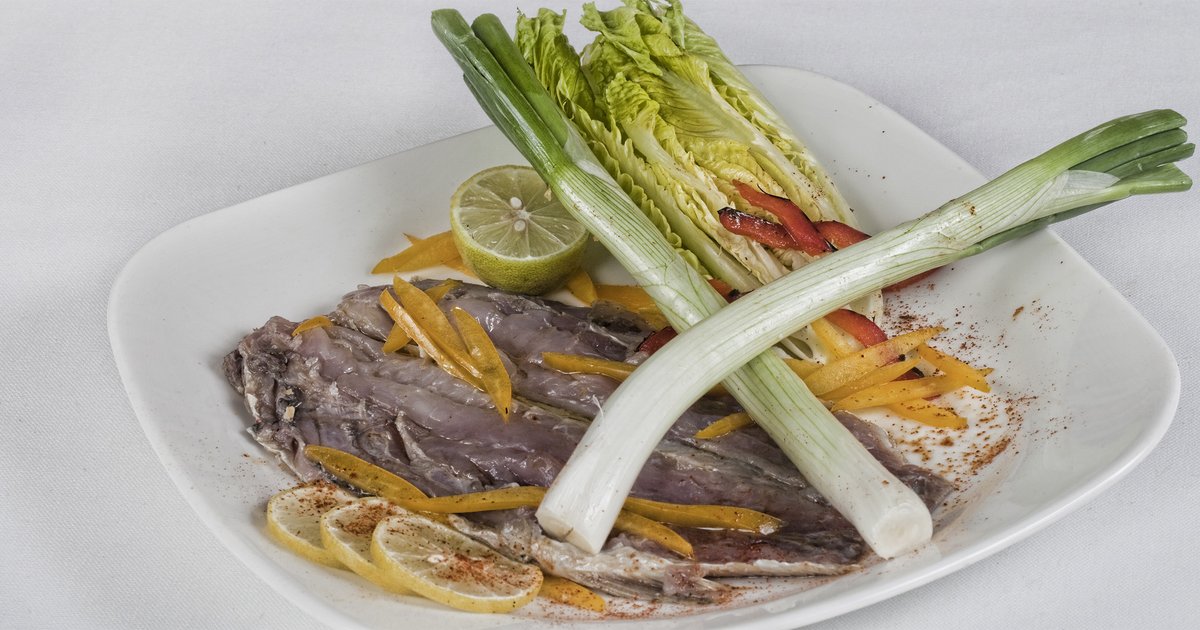
As Sham El-Nessim approaches, the demand for preparing feseekh, a traditional dish considered part of Egyptian culinary heritage, increases. With growing concerns about consuming unsafe salted fish, it has become essential to know how to prepare feseekh at home safely.
Preparing feseekh at home requires precision and care, as one must select fresh fish and follow the correct preparation steps to ensure a delicious and healthy taste. Feseekh is typically made from buri fish and is distinguished by its unique flavor, which adds a special touch to Sham El-Nessim celebrations.
Preparation Steps for Feseekh
To prepare feseekh, one must first choose fresh buri fish, then clean it thoroughly and remove the entrails. Next, place the fish in a suitable container and add a sufficient amount of salt, preferably coarse salt, to ensure proper salting. The fish should be left in a cool, dry place for a period of 3 to 5 days, with the necessity of turning the fish daily to ensure even distribution of salt.
After the salting period is complete, feseekh can be served with fresh bread, onions, and lemon, which adds a distinctive flavor to the dish. It is advised not to consume feseekh if any signs of spoilage appear, such as a foul odor or color change.
Background & Context
Feseekh is one of the traditional dishes with roots dating back to ancient times in Egypt, where it was considered a favorite food during celebrations and occasions. Over time, feseekh has become a symbol of Egyptian cultural heritage, closely associated with the Sham El-Nessim holiday celebrated by Egyptians in the spring.
Historically, feseekh was a method of preserving fish in ancient times, as communities relied on salting as a means to keep food for extended periods. With the evolution of cooking methods, feseekh still retains its place in Egyptian cuisine.
Impact & Consequences
The importance of preparing feseekh at home has increased with growing health awareness among people, as many seek to avoid health risks associated with consuming potentially unsafe salted fish. By preparing feseekh at home, individuals can control the quality of ingredients and ensure food safety.
Moreover, preparing feseekh at home strengthens family and social bonds, as relatives and friends gather around the dining table to celebrate Sham El-Nessim. This tradition reflects the cultural and social values of Egyptian society.
Regional Significance
Feseekh represents part of the culinary heritage in many Arab countries, where it is prepared in various ways according to local traditions. With the increasing interest in traditional foods, feseekh can contribute to enhancing cultural tourism in the region.
Additionally, the celebrations associated with Sham El-Nessim, which include eating feseekh, reflect the cultural diversity in the Arab world, fostering mutual understanding among peoples.
In conclusion, feseekh is a dish that carries a long history and rich culture, making it a preferred choice during celebrations. By following safe preparation methods, everyone can enjoy this delicious dish without worrying about health risks.