Tahini is a fundamental ingredient in Arabic cuisine, with demand peaking during Sham El-Nessim celebrations. This article provides a simple and cost-effective method for making tahini from sesame at home, making it an ideal choice for lovers of traditional foods.
Making tahini is not difficult, as anyone can do it at home using simple ingredients. It only requires sesame seeds, olive oil, and some salt. Tahini can be used in many dishes, such as falafel and hummus, making it a valuable addition to meals.
Preparation Steps for Tahini
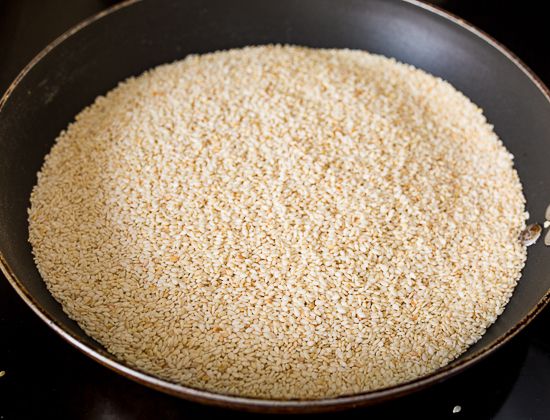
To prepare tahini, the first step is to roast sesame seeds in a pan over medium heat until they acquire a golden color. After that, the roasted sesame is ground using a blender until it turns into a smooth paste. Olive oil can be gradually added during grinding to achieve the desired consistency. Finally, salt is added to taste.
Tahini is a rich source of healthy fats and proteins, making it a nutritious option. It can be stored in an airtight container in the refrigerator, where it retains its quality for a long time. This method is not only economical but also allows individuals to control the quality of the ingredients used.
Background & Context
Tahini is an integral part of Arabic cuisine, used in the preparation of many delicious dishes. The use of sesame in cooking dates back thousands of years, where it was considered a symbol of healthy food. As Sham El-Nessim approaches, the demand for tahini increases as part of the traditions of eating feseekh and herring.
Tahini is also a part of the food culture in many Arab countries, where it is used in traditional dishes. Knowing how to prepare tahini at home reflects an interest in culinary heritage and enhances the personal cooking experience.
Impact & Consequences
Preparing tahini at home has numerous benefits, including reducing reliance on ready-made products that may contain preservatives or unhealthy ingredients. Making it at home promotes nutritional awareness and encourages families to consume healthy foods.
These practices contribute to strengthening the local economy, as families can use locally available ingredients, reducing purchasing costs. Additionally, making tahini at home fosters family bonds, as families can enjoy quality time together while cooking.
Regional Significance
Tahini is a symbol of healthy food in the Arab region, used in many popular dishes. Promoting the culture of making tahini at home can contribute to improving dietary habits in Arab communities, leading to better overall health.
With the increasing awareness of the importance of healthy nutrition, tahini can play a significant role in promoting balanced meals. Encouraging individuals to prepare tahini at home can enhance cultural identity and reflect an interest in traditional cuisines.
In conclusion, tahini is an essential ingredient that reflects the Arabic culinary heritage. Preparing it at home is not only an economical choice but also promotes public health and reflects an interest in natural ingredients.