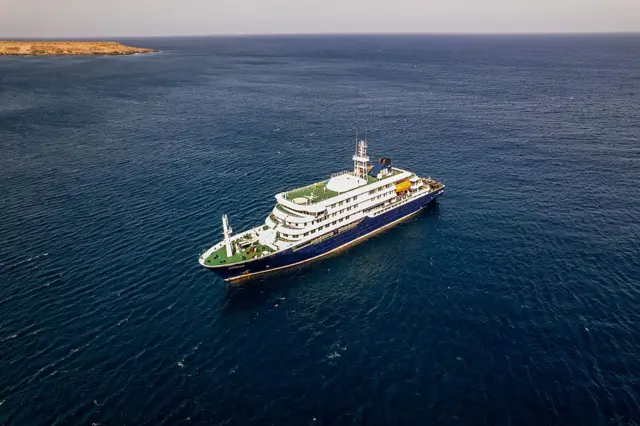
Spanish authorities are gearing up to evacuate passengers from the MV Hondius, a Dutch-flagged vessel, expected to reach the waters off the Spanish island of Tenerife early Sunday morning. This measure comes after cases of Hantavirus were detected on board, prompting immediate action to ensure the safety of passengers and crew.
The Hantavirus is transmitted through rodents and can lead to severe illnesses such as Hantavirus pulmonary syndrome. Given the circumstances, it is crucial to implement swift and effective measures to guarantee everyone's safety. It has been announced that the Director-General of the World Health Organization, Tedros Adhanom Ghebreyesus, will oversee the evacuation process, reflecting the seriousness of the current health situation.
Event Details
The MV Hondius was on a tourist voyage, and cases of Hantavirus infection have been reported among passengers. Spanish health authorities are assessing the health situation on board and preparing necessary plans for the safe evacuation of passengers. The evacuation process is expected to include thorough screening of passengers before they leave the ship.
Tenerife is one of Spain's popular tourist destinations, attracting visitors from around the world. Therefore, any health emergency could impact the island's reputation as a tourist spot, necessitating a rapid response from authorities.
Background & Context
The Hantavirus is not new; it was first identified in the United States in 1993, and since then, cases have been reported in several countries. The virus typically spreads through direct contact with rodent droppings, making prevention critically important. In recent years, some countries have seen an increase in reported cases, raising concerns among health authorities.
Such situations require a coordinated response among nations, as viruses do not recognize borders. Therefore, international cooperation in public health is vital to address global health challenges.
Impact & Consequences
The implications of the Hantavirus extend beyond health concerns, potentially affecting the local economy and tourism in Tenerife. Any delay in the evacuation process or spread of the virus could lead to a decline in tourist numbers, negatively impacting the local economy, which heavily relies on tourism.
Additionally, there are psychological effects on passengers who may feel anxious and fearful of infection. Thus, providing psychological and informational support to passengers will be an essential part of the evacuation process.
Regional Significance
While the news focuses on an event in Spain, the potential impact of the Hantavirus could extend to the Arab region. With increasing travel and tourism, infectious diseases can easily spread between countries. Therefore, enhancing health awareness and disease prevention will be crucial to protecting communities.
Arab countries must be prepared to face such health challenges by improving healthcare systems and fostering regional and international cooperation.
The ongoing preparations for the evacuation of passengers from the MV Hondius highlight the importance of rapid and effective responses to health threats. Nations must always be ready to confront such challenges to ensure the safety of their citizens and visitors.