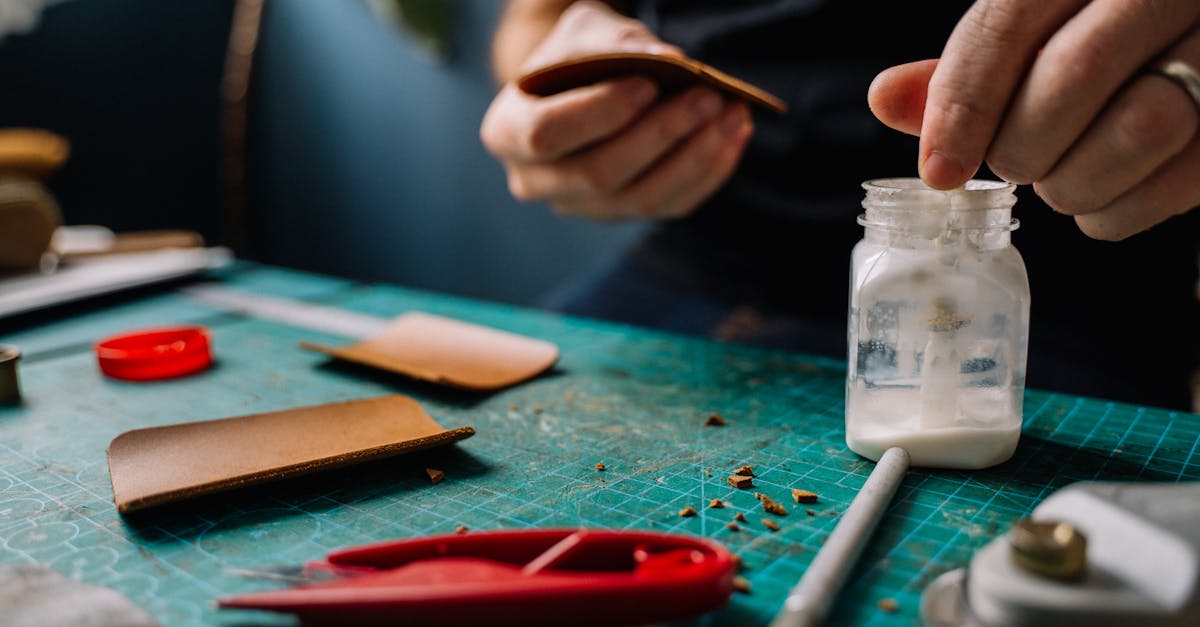
The city of Fes is considered one of the most prominent centers for leather tanning in the world, with traditions in this industry dating back centuries. On Sunday, April 5, 2026, artisans were busy processing raw hides, showcasing their commitment to preserving this traditional craft.
The leather tanning process in Fes is characterized by the use of ancient techniques that rely on natural materials, ensuring the quality of the final products. This sector provides job opportunities for many local residents and is an important source of income for the city.
Details of the Tanning Process
Leather tanning workshops in Fes are located in open areas, allowing visitors to observe the process from start to finish. The process begins with soaking the hides in water and natural materials such as lime, followed by cleaning and drying before they are dyed with natural colors. This process is not just a job; it is an art that requires skill and precision.
Despite the challenges faced by this industry, such as competition from industrial products, artisans in Fes continue to work passionately to preserve their heritage. This commitment is part of the cultural identity of the city and attracts tourists from around the world.
Background & Context
The history of leather tanning in Fes dates back to the Middle Ages when the city was an important commercial center. Hides were considered valuable materials and were used in the production of clothing, shoes, and bags. Over time, this industry evolved to become a part of Moroccan cultural heritage.
Today, Fes is one of the cities striving to maintain its traditions, with leather tanning being an essential aspect of its cultural identity. In recent years, this craft has been included in the UNESCO list of intangible cultural heritage of humanity, reflecting its global significance.
Impact & Consequences
The leather tanning industry in Fes faces several challenges, including changes in the market and demand for natural products. However, local artisans are working on developing new products that meet modern market needs, helping to boost the local economy.
This industry also contributes to enhancing tourism, as visitors come to enjoy the experience of watching the tanning process and shopping for unique leather products. This interaction between tourism and traditional industry enhances Fes's status as a cultural and commercial center.
Regional Significance
Leather tanning in Fes is a symbol of Moroccan cultural heritage, enhancing cultural identity and reflecting the rich diversity of Arab heritage. The preservation of this craft is crucial not only for the local economy but also for maintaining the historical narrative of the region.
In conclusion, the dedication of artisans in Fes to their craft ensures that the traditions of leather tanning continue to thrive, even in the face of modern challenges. Their efforts not only sustain the local economy but also enrich the cultural landscape of Morocco.