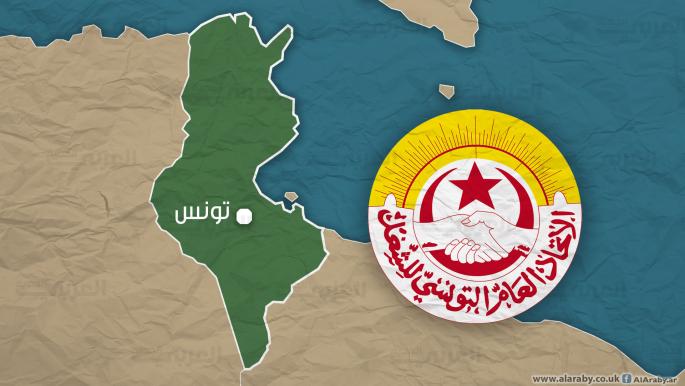
The Tunisian General Labor Union reported that President Kais Saied has taken unexpected steps to diminish the union's influence, citing corruption allegations against its leaders. These developments come at a sensitive time for Tunisia as the president seeks to consolidate his power amid ongoing political and economic crises.
Historically, the Tunisian General Labor Union has played a pivotal role in the political and social life of Tunisia, significantly influencing government decisions. However, the rising tensions between the union and the presidency could threaten the country's stability and exacerbate political divisions.
Details of the Event
Recently, President Saied hinted at suspicions of corruption involving some union leaders, raising concerns among many union members. Some viewed these statements as an attempt to undermine the union's role in political life, especially given the difficult economic conditions Tunisia is facing.
These statements could also escalate tensions between the government and the unions, negatively impacting the social dialogue that is essential for achieving stability.
Background & Context
The Tunisian General Labor Union was established in 1946 and has since become a key player in Tunisian politics. The union has contributed to numerous social and political movements, including the Tunisian revolution in 2011. However, the relationship between the union and the presidency has not always been smooth, experiencing periods of tension and conflict.
In recent years, with the escalation of economic and social crises, the union's role has become more critical than ever. Nevertheless, attempts to diminish its influence may exacerbate the situation in the country.
Impact & Consequences
If these tensions continue, they may lead to increased protests and demonstrations in the streets of Tunisia. Additionally, reducing the union's role could weaken the government's ability to manage crises, potentially worsening economic and social conditions.
On the other hand, these developments could strengthen the position of some opposing political forces, complicating the political landscape in Tunisia. Under these circumstances, it becomes essential for all parties to work towards finding consensus solutions to avoid further division.
Regional Significance
Tunisia is considered a model in the Arab region, as the Tunisian revolution sparked an Arab Spring that affected several countries. Therefore, any changes in the Tunisian political landscape could impact neighboring countries, especially amid the political and economic crises many of these nations are experiencing.
If President Saied succeeds in limiting the union's role, it may encourage other governments to take similar steps, leading to the erosion of labor rights in the region.
In conclusion, the future of the Tunisian General Labor Union and its role in political life remains uncertain, given the significant challenges facing Tunisia. It is crucial for all parties to engage in dialogue and negotiation to achieve stability and development.