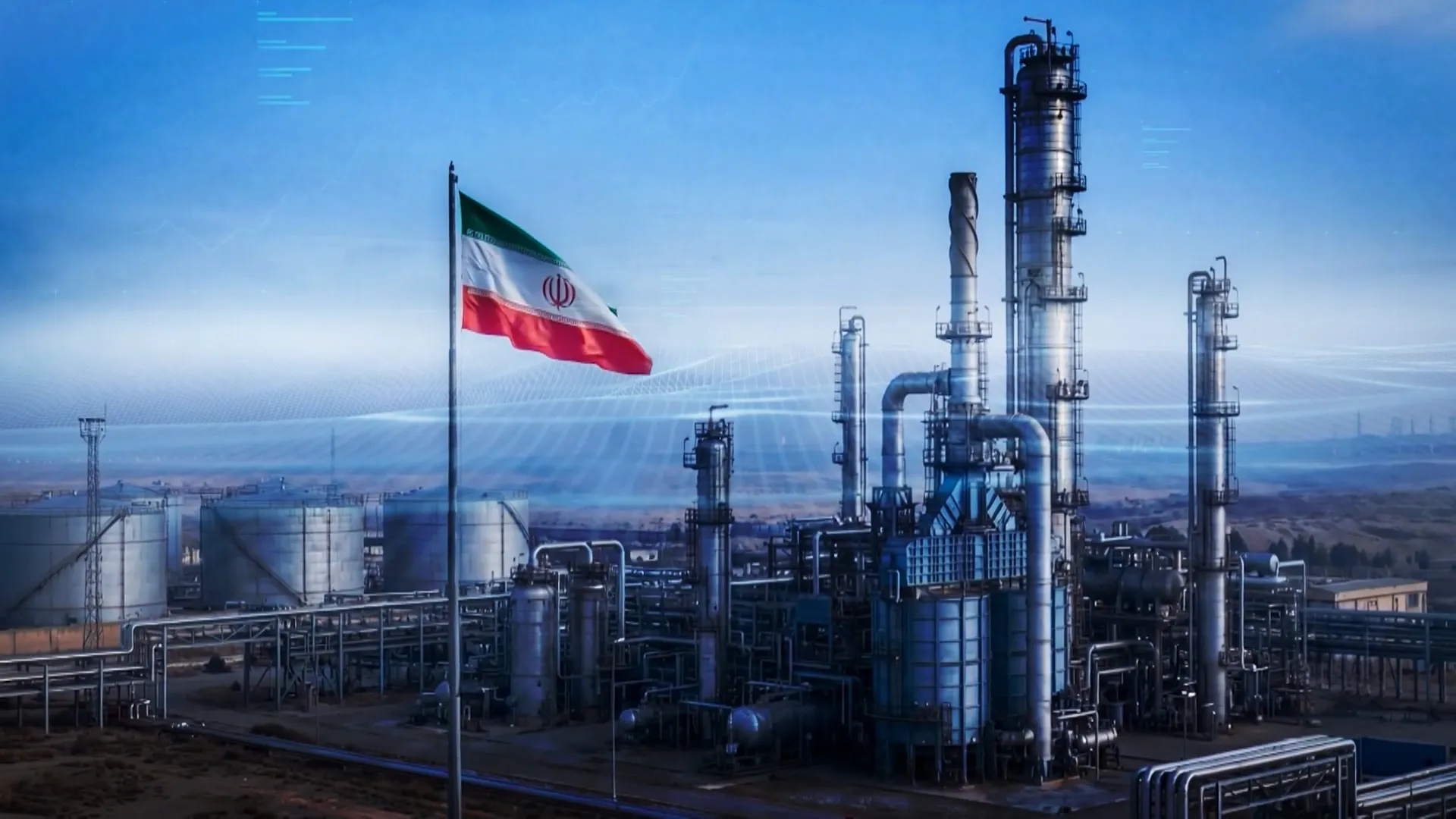
The Iranian oil industry is under increasing pressure from the ongoing US sanctions that obstruct its exports and negatively impact its revenues. Reports indicate that storage capacities on land and at sea are approaching critical pressure points, which may force Iranian authorities to make a decision to halt production.
In these circumstances, the repercussions of export disruptions extend beyond financial aspects, as technical risks emerge that threaten the energy sector's infrastructure. Experts warn that if storage facilities reach full capacity, the Iranian government may be compelled to close several wells, exacerbating the crisis.
Details of the Situation
Iran is facing mounting pressures as US sanctions continue to impose strict restrictions on oil exports. These sanctions have led to a significant decline in financial revenues, affecting the country's ability to operate its oil facilities. Meanwhile, reports indicate that Iran's oil storage capacities are nearing their maximum limits, threatening well closures.
Iran is one of the largest oil producers in the world, but US sanctions have resulted in a dramatic drop in its exports, which have fallen to unprecedented levels. This situation places the Iranian government in a precarious position, as it needs to find swift solutions to avoid well closures.
Background & Context
Historically, Iran has faced significant challenges in the oil sector due to international sanctions. Since 2018, when the United States withdrew from the nuclear agreement, sanctions on the Iranian oil sector have tightened, impacting the country's ability to export oil. These sanctions have not only affected the Iranian economy but also the stability of the global oil market.
Iran heavily relies on oil revenues to finance its budget, making it vulnerable to market fluctuations. As pressures continue, the government faces significant challenges in managing the energy sector, which is considered the lifeblood of the Iranian economy.
Impact & Consequences
If current pressures persist, the closure of wells could exacerbate the economic crisis in Iran, increasing the suffering of citizens. Additionally, this closure may affect the stability of oil prices in global markets, as Iran is a key player in this market.
The economic repercussions could extend to other countries in the region, as any decline in Iranian production may lead to price increases and impact oil-importing nations. This situation could create instability in the global oil market.
Regional Significance
Iran is considered one of the main countries in the Middle East, and any changes in its oil production could affect economic and political relations in the region. Arab oil-producing countries may benefit from a decline in Iranian production, but at the same time, this could lead to increased tensions in regional relations.
Ultimately, the situation in Iran remains under observation, as any new developments could impact the stability of the global oil market and relations between countries in the region.