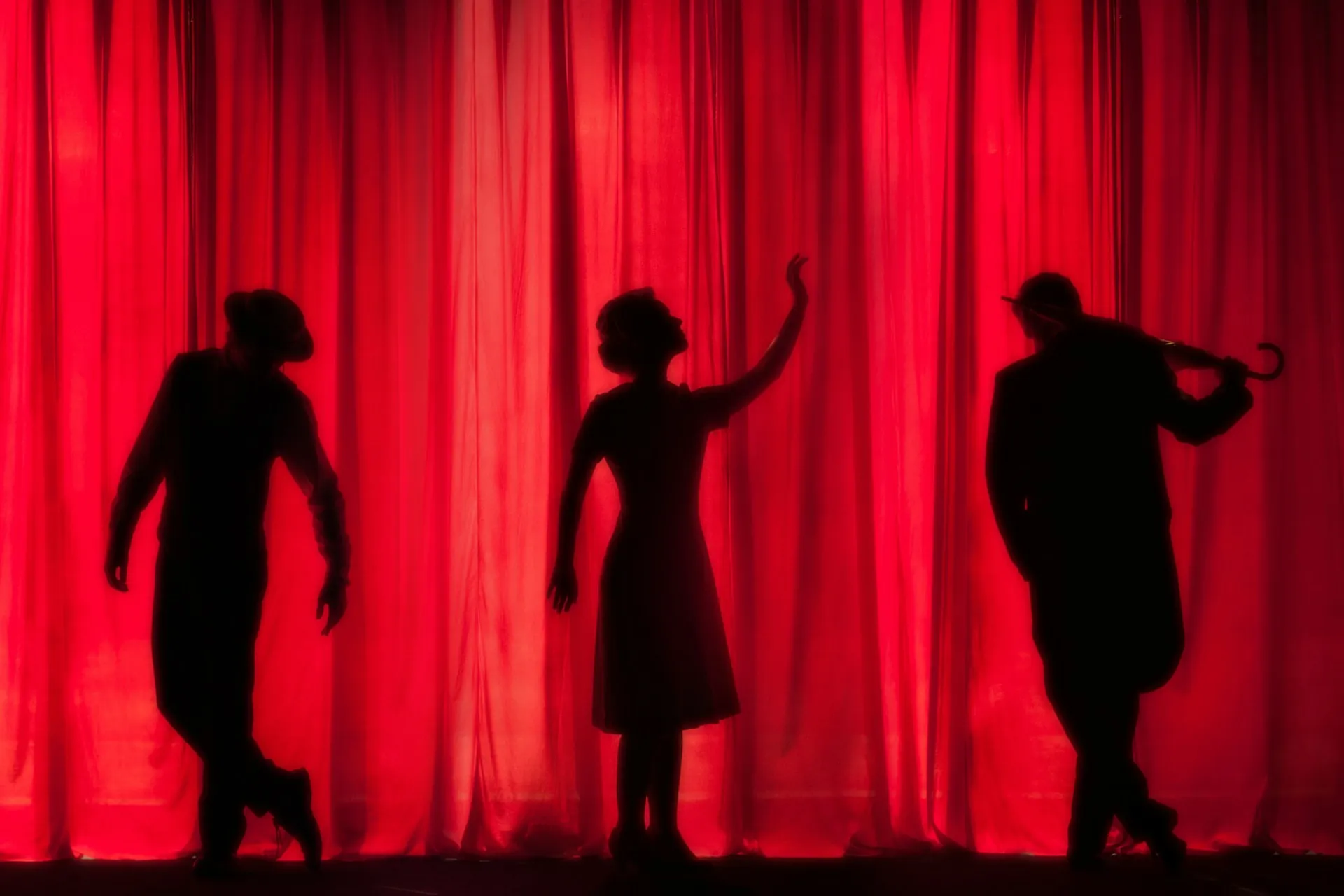
The Molière Theater at the Sorbonne in Paris has announced the production of a new play titled 'The Astronomer or The False Prophet', co-written with artificial intelligence. This play, which has been in development for three years, reflects how Molière's works might have evolved had he lived longer. It will be presented during the 'Nous' festival of art and AI, taking place at the French National Library from April 9 to 19.
This initiative is part of the theater's efforts to explore the boundaries of artistic creativity through modern technology. A group of artists collaborated on the play's script with an AI system, raising questions about the role of technology in performing arts.
Event Details
The 'Nous' festival is the first of its kind focusing on modern technologies in art, bringing together artists and programmers to explore how artificial intelligence impacts creativity. The new play 'The Astronomer or The False Prophet' is one of the festival's highlights, showcasing the potential for integrating AI into playwriting.
The play incorporates elements of traditional Molière comedy, with contemporary touches that reflect the challenges and paradoxes faced by modern society. The creators aim to provide a unique experience for the audience, blending literary heritage with modern techniques.
Background & Context
Molière, regarded as one of the greatest playwrights in history, lived in the 17th century and significantly influenced classical theater. His works are characterized by sharp wit and social critique, making them relevant even in the modern era. As technology advances, artists are beginning to explore how artificial intelligence can serve as a creative tool, opening new horizons in the theater world.
This experiment is part of a broader movement in the arts, where AI is being utilized in various fields such as music and painting, sparking discussions about originality and creativity. How can AI contribute to the development of the arts without replacing artists? This is a question many are seeking to answer.
Impact & Consequences
This initiative represents a bold step toward integrating technology into the arts and could significantly influence how plays are produced in the future. If successful, we may witness an increase in the use of artificial intelligence in writing and directing, potentially leading to a radical transformation in the artistic landscape.
Moreover, this experience may open the door to deeper discussions regarding intellectual property rights, as many wonder who owns the artistic work resulting from the collaboration between humans and AI. Is it the artist, the programmer, or the system itself? These questions will remain at the center of debates in the years to come.
Regional Significance
In the Arab region, this experience could inspire artists and creators to explore the use of technology in their works. With the growing interest in digital arts and artificial intelligence, we may see similar projects emerging in Arab countries, enhancing innovation and creativity in the artistic scene.
The arts are a means of expressing culture and society, and utilizing technology in this context can help develop new forms of art that reflect the challenges and opportunities facing Arab communities.