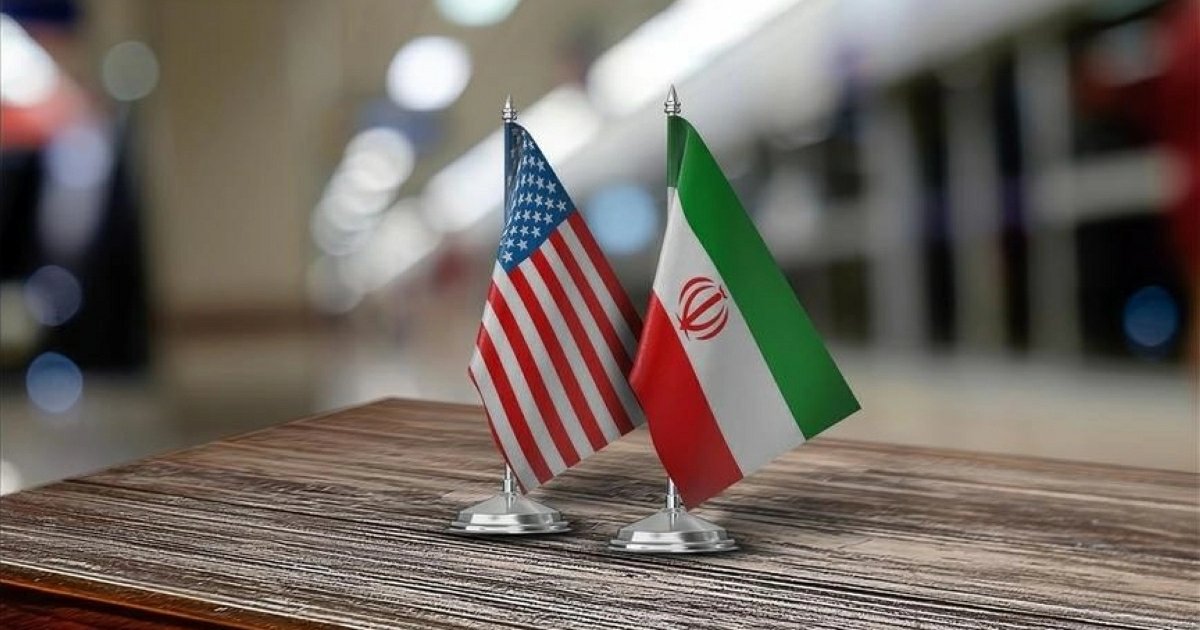
The United States proposed a 48-hour ceasefire with Iran on April 2, through the mediation of a friendly nation, according to the Iranian news agency Fars. This proposal arises at a time when the situation in the region is marked by escalating tensions, as U.S. forces encounter growing challenges.
Sources revealed that Iran has not officially responded to the U.S. proposal, continuing instead to carry out violent attacks on the ground. U.S. diplomatic efforts to halt the fighting have intensified, especially following an attack that targeted a U.S. military depot on Boubyan Island in Kuwait.
Details of the Event
These developments follow a U.S. and Israeli airstrike on Iran on February 28, which resulted in the deaths of over 1,340 individuals, including former Supreme Leader Ayatollah Ali Khamenei. Since then, Iran has conducted a series of drone and missile attacks targeting Israel, as well as countries like Jordan, Iraq, and Gulf states, leading to casualties and damage to infrastructure.
These attacks continue to impact global markets and the aviation sector, heightening anxiety in the region. The U.S. proposal for a ceasefire appears to be an attempt to alleviate the increasing tensions.
Background & Context
Historically, U.S.-Iran relations have been tense since the Islamic Revolution in 1979, witnessing numerous military and political crises. In recent years, these tensions have escalated significantly, particularly after the U.S. withdrawal from the Iranian nuclear deal in 2018. Since then, the U.S. has imposed stringent economic sanctions on Iran, exacerbating the country’s economic and political conditions.
In this context, the recent events are part of a larger escalation in the regional conflict, as Iran seeks to bolster its influence while the U.S. and its allies, such as Israel, strive to curb that influence.
Impact & Consequences
The U.S. proposal for a ceasefire could have significant implications for the conflict in the region. If Iran responds positively, it may lead to a de-escalation of military tensions, allowing for diplomatic negotiations. However, if Iran continues its attacks, it could result in further escalation of the conflict, threatening regional stability.
These events also highlight the challenges the U.S. faces in managing its foreign policy in the Middle East, requiring a delicate balance between military force and diplomacy.
Regional Significance
These developments directly affect Arab countries, as Iran is a key player in regional conflicts, including those in Iraq, Syria, and Yemen. Any escalation in the conflict between Iran and the U.S. could have negative repercussions on security and stability in the Arab region.
Moreover, ongoing tensions may impact oil prices and financial markets, adversely affecting Arab economies that heavily rely on oil revenues. Therefore, any efforts toward a ceasefire could be a positive step towards achieving stability in the region.