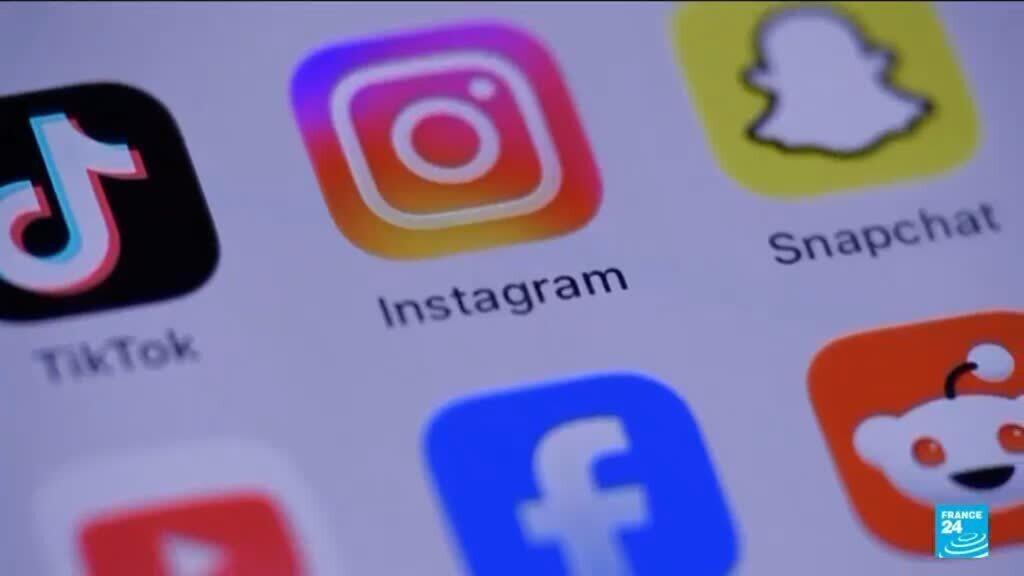
The French government has proposed a law aimed at banning social media use for children under the age of 15. This proposal comes amid a divided French parliament on how to implement it, with the right-wing majority in the Senate favoring a dual system that distinguishes between different types of platforms.
This proposal, announced by President Emmanuel Macron, aims to protect children from potential risks they may face online, such as cyberbullying and inappropriate content. The topic has sparked widespread debate among political and social circles in France, with some considering this step necessary for child protection, while others view it as a potential violation of freedom of expression.
Details of the Proposal
During a session of the Senate's Culture Committee, the proposal was discussed extensively, with many members expressing support for the overall goal of the law, but suggesting a system that differentiates between major and minor social media platforms. This approach reflects their concerns that imposing strict restrictions on all platforms could negatively impact innovation and communication.
This proposal is part of the French government's efforts to enhance digital safety, as social media represents a significant part of young people's lives today. The proposal comes at a time when concerns are rising about the impact of the internet on the mental health of children and adolescents.
Background & Context
Historically, France has seen numerous legislative initiatives aimed at regulating internet and social media use. In recent years, concerns have increased regarding the impact of digital content on children, prompting the government to take more serious steps in this direction. These steps may represent part of a broader trend in Europe towards regulating the digital space.
In 2020, a national campaign was launched in France to raise awareness about internet risks, focusing on the importance of digital education for children and parents. However, there remains debate on how to balance protecting children while maintaining freedom of expression.
Impact & Consequences
If this proposal is passed, it could have a significant impact on how children use social media. It is likely to raise awareness among parents about potential risks, which may lead them to take additional steps to protect their children. However, the proposal may also face legal challenges, as it could be contested on the grounds that it violates individuals' rights to freedom of expression.
Moreover, this proposal could affect companies that operate social media platforms, as they will be required to adjust their policies to ensure compliance with the new law. This could lead to changes in how these platforms are designed and how they interact with younger users.
Regional Significance
The issue of protecting children online is also an important topic in many Arab countries, where concerns about the impact of social media on youth are increasing. Policymakers in Arab nations may benefit from France's experience in this area, as this step could be seen as a model for their efforts to protect children from digital risks.
With the increasing use of the internet in the Arab world, there is a pressing need to develop effective policies to protect children and adolescents. France's experience could serve as a starting point for broader discussions on how to achieve this goal in the region.