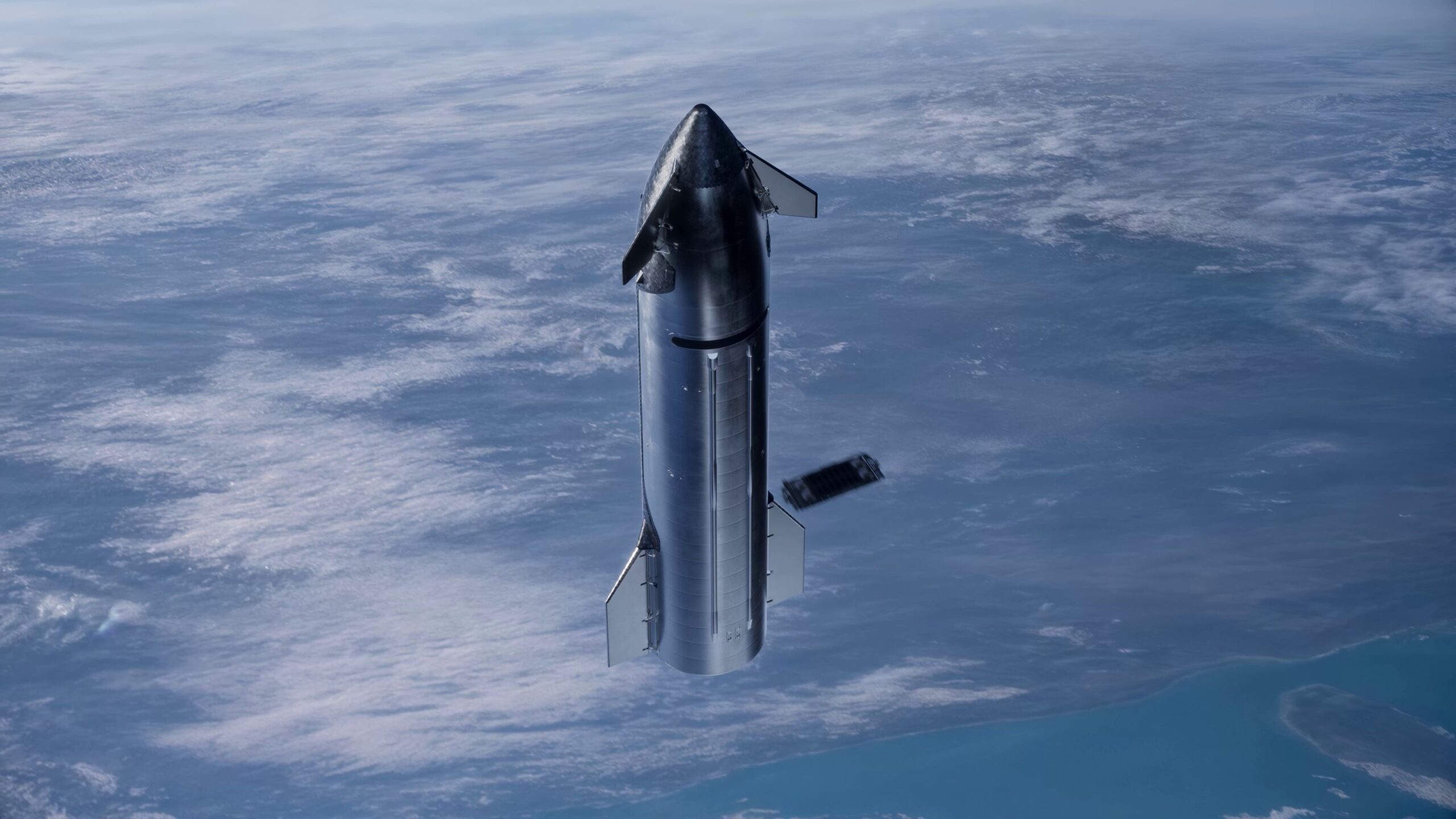
As demand for artificial intelligence surges, data centers on Earth are nearing collapse. In this context, Trevor Smith, CEO of Atmosphere-6, proposed relocating these centers to space to harness free solar energy and natural cooling. This idea opens new horizons in the tech world, potentially improving energy efficiency and reducing costs.
Traditional data centers on Earth are vital for data storage and processing, but with the increasing use of artificial intelligence, these centers face significant challenges in providing the necessary energy and cooling. In an interview with Bloomberg, Smith emphasized that moving data centers to space could provide an innovative solution to these challenges.
Details of the Proposal
Smith explained that orbital data centers could directly benefit from solar energy, reducing reliance on traditional energy sources. Additionally, space offers a natural cooling environment, minimizing the need for complex and costly cooling systems. The speed of data transmission in space could also be significantly faster, facilitating processing and storage operations.
The concept also includes the use of satellites that require minimal maintenance, thereby reducing operational costs. These developments could reshape how we handle and store data, making space an attractive option for the future of artificial intelligence infrastructure.
Background & Context
Historically, data centers have evolved significantly since the advent of the internet. Initially, these centers were small and limited, but they have grown into massive facilities requiring vast amounts of energy. With the rise of artificial intelligence, it has become essential to seek new solutions to address environmental and operational challenges.
In recent years, some companies have begun exploring the idea of using space as a data storage location. However, the notion of fully relocating data centers to space remains novel and requires further research and development. Nevertheless, rapid technological innovations may make this feasible in the near future.
Impact & Consequences
If this idea is implemented, it could lead to radical changes in how we use technology. Orbital data centers would become more energy-efficient, reducing carbon emissions and promoting sustainability. These advancements may also pave the way for further innovations in artificial intelligence and data analytics.
Moreover, this concept could lead to changes in the job market, as companies will need new skills to develop and maintain these orbital centers. Significant investments in research and development will also be necessary to realize this vision.
Regional Significance
For the Arab region, these developments could present an opportunity to enhance technological innovation. Arab countries seeking to develop their capabilities in technology and artificial intelligence could benefit from these new ideas. Investing in space technology could create new job opportunities and boost the digital economy in the region.
In conclusion, relocating data centers to space represents a bold step towards a more sustainable and innovative future. As demand for artificial intelligence continues to grow, space may be the solution we need to tackle current challenges.