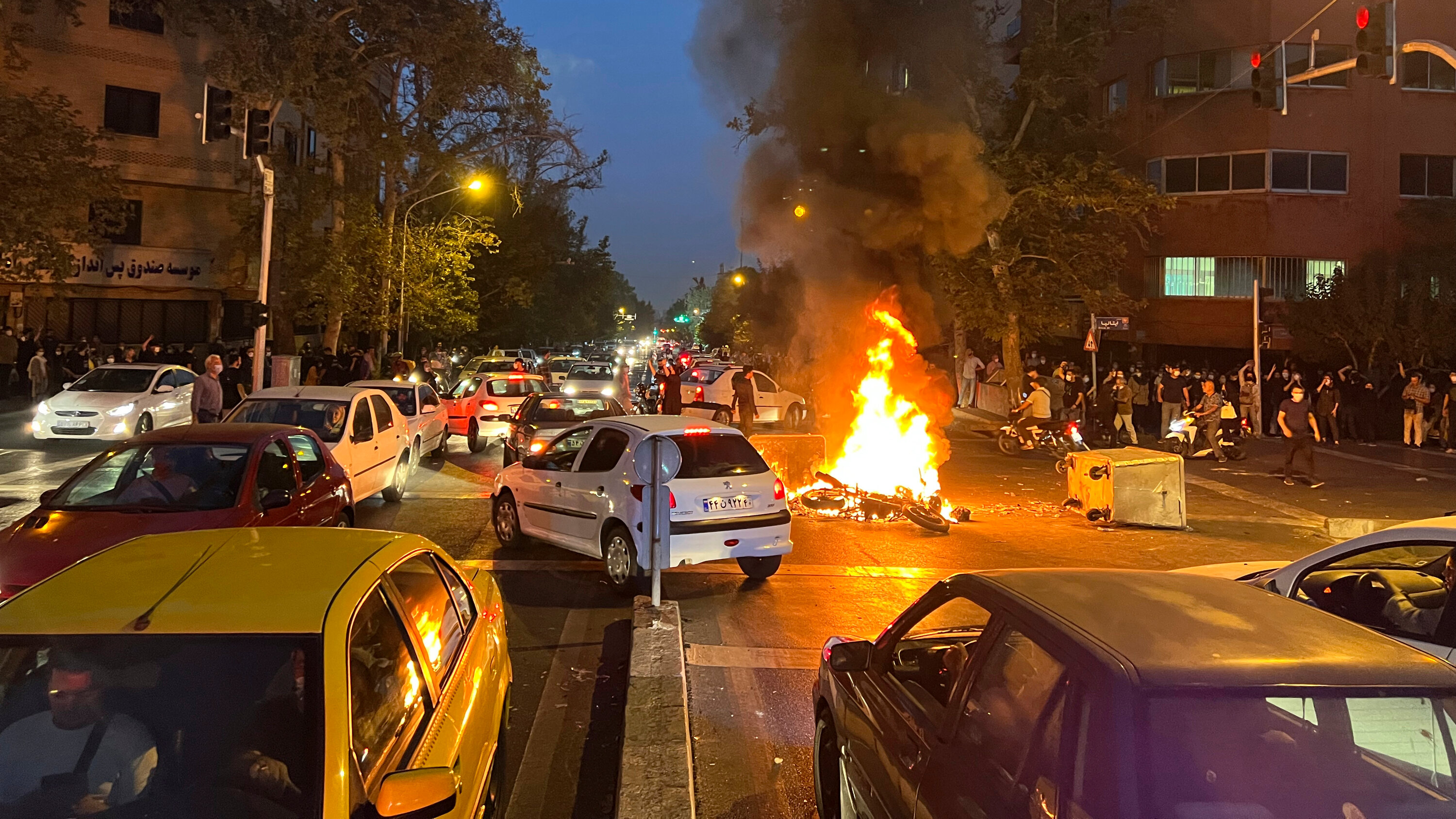
In a significant development, widespread protests erupted in Tehran against the ongoing war in Iran, where demonstrators gathered in a main square demanding an end to the conflict. The police intervened violently to disperse the protesters, leading to clashes between the two sides.
These protests come at a sensitive time, as the Iranian people are suffering from the repercussions of the ongoing war, including economic and social crises. Videos circulated on social media captured moments of violence, showing protesters being pushed to the ground and force used to disperse them.
Details of the Event
The protests began after human rights activists called for a peaceful demonstration to express their opposition to the war. However, the atmosphere quickly turned tense when security forces moved to disperse the demonstrators. Reports indicate that many protesters were injured due to excessive force used by the police.
These events are part of a series of protests that have taken place in Iran in recent years, where citizens express their dissatisfaction with government policies. The recent protests have shown that the Iranian people can no longer bear the increasing burdens resulting from the ongoing conflict.
Background & Context
Historically, Iran has witnessed numerous conflicts and wars, but the current war is characterized by its profound effects on Iranian society. Since the onset of the conflict, the country has suffered significant economic deterioration, with unemployment and poverty rates rising sharply.
It is worth noting that these protests are not new; Iran has seen many demonstrations in recent years demanding political and economic reforms. However, the violent reactions from authorities indicate the government's unwillingness to listen to the people's demands.
Impact & Consequences
The repercussions of these protests extend beyond Iran's borders, raising concerns in the international community regarding human rights and fundamental freedoms. The use of excessive force against demonstrators highlights the challenges faced by the Iranian government in dealing with internal crises.
Moreover, these events may affect Iran's relations with other countries, as the government may face increased international pressure to adhere to human rights standards. Such pressures could lead to changes in Iran's domestic and foreign policies.
Regional Significance
Iran is a key player in the Arab region, and any internal disturbances could impact regional balance. The continuation of protests may open the door to increased external interventions in Iranian affairs, potentially exacerbating the situation in the region.
The situation in Iran is also of concern to neighboring Arab countries, as any political changes could affect economic and security relations between these countries and Iran. Therefore, closely monitoring events in Iran is essential for understanding regional dynamics.
The recent protests in Iran reflect a deep-seated dissatisfaction with government policies and highlight the challenges facing the country. Under the current circumstances, the question remains: will the government respond to the people's demands or continue to use force to suppress protests?