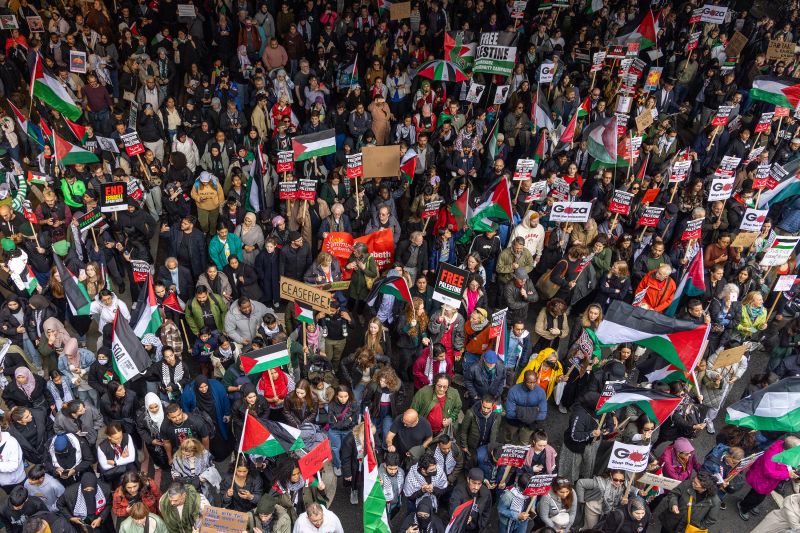
Massive protests erupted in the Mauritanian capital, Nouakchott, following the Israeli Knesset's approval of a law allowing the execution of Palestinian prisoners. Hundreds of citizens gathered in the streets of the city, heading towards the United Nations representation, chanting slogans expressing their condemnation of this law, which they consider a gross violation of human rights.
The protesters described the law as a "law of the wild," emphasizing the necessity for the international community to stand against these practices targeting Palestinian prisoners who defend their rights and lands. These protests coincided with statements from deputies and popular and human rights organizations in Mauritania, which strongly condemned this law.
Details of the Event
The law passed by the Israeli Knesset allows for the execution of Palestinian prisoners, provoking angry reactions across the Arab world. In Nouakchott, protesters gathered in a peaceful march, carrying banners expressing their solidarity with the Palestinian people and their rejection of Israeli occupation practices.
The protests witnessed widespread participation from various social groups, including youth and women, who expressed their dissatisfaction with the international community's silence regarding Israeli violations. Demonstrators shouted calls for Arab unity and support for the Palestinian cause.
Background & Context
Historically, the Palestinian issue has seen numerous violations by the Israeli occupation, including arbitrary arrests and field executions. These violations have increased in recent years, leading to a surge of anger in the Arab world. This new law is seen as part of an Israeli policy aimed at undermining Palestinian rights and increasing pressure on them.
It is noteworthy that many international human rights organizations have criticized these policies and called for accountability for those responsible. There are also increasing calls from Arab countries to unify efforts to confront these violations.
Impact & Consequences
The enactment of this law could escalate tensions in the region, with expectations of increased protests in Arab countries. Furthermore, this law may negatively impact relations between Israel and Arab nations, especially amid growing calls to boycott Israeli products.
Moreover, this law could lead to increased international isolation for Israel, as many countries may view it as a blatant violation of human rights. There may be heightened pressure on the international community to intervene and impose sanctions on Israel.
Regional Significance
The Palestinian issue is considered one of the central issues in the Arab world, and any escalation in this matter directly affects relations between Arab countries. The protests in Mauritania reflect a general sentiment of dissatisfaction with Israeli policies and may encourage other nations to adopt similar stances.
These events could also enhance Arab solidarity towards the Palestinian cause, potentially revitalizing stagnant relations between Arab states. Under these circumstances, hope remains that Arab efforts will unite to confront the challenges facing the Palestinian issue.
In conclusion, the issue of Palestinian prisoners remains at the heart of the Arab-Israeli conflict, and the international community must take responsibility for protecting human rights and working towards ending the occupation.