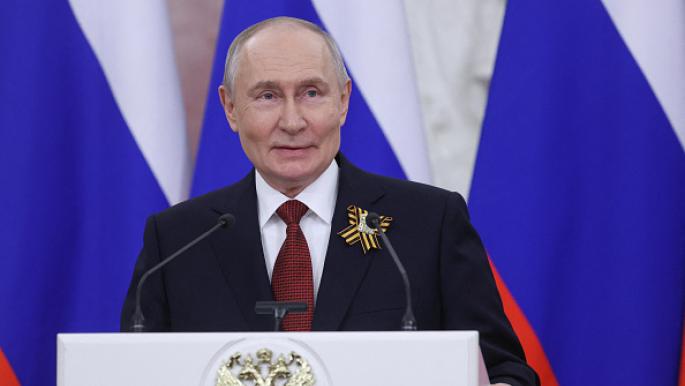
Russian President Vladimir Putin revealed his belief that the ongoing conflict in Ukraine is approaching its end, expressing hope for a resolution to the tensions plaguing the region. These statements come amid increasing international pressure on Russia, alongside repeated calls for peace from the global community.
Speaking during a meeting with military leaders, Putin indicated that Russian forces have achieved their military objectives in Ukraine, reflecting a shift in Russian strategy. He also expressed hope that this development would lead to greater stability in the region, despite ongoing fighting in certain areas.
Details of the Event
Putin's remarks come at a critical juncture, as Ukraine experiences an escalation in hostilities, particularly in eastern regions like Donbas. Reports have shown that Ukrainian forces have managed to achieve some successes against Russian troops, complicating the military situation further. Nevertheless, it appears that Putin is banking on Russian military advances leading to a swift end to the conflict.
Simultaneously, international pressure on Russia is mounting, with ongoing economic and political sanctions imposed by Western nations. This pressure could impact Russia's ability to sustain the conflict, suggesting that Putin's statements reflect a desire to seek an exit strategy.
Background & Context
The conflict in Ukraine began in 2014 following Russia's annexation of the Crimea peninsula, which sparked a war in eastern Ukraine between government forces and Moscow-backed separatists. Since then, the region has witnessed a continuous escalation of hostilities, with military interventions from both sides. Despite several attempts at peace, the situation remains tense.
Historically, relations between Russia and Ukraine have been strained, with Moscow viewing Ukraine as part of its sphere of influence. However, Ukraine's desire to join the European Union and NATO has heightened tensions. These dynamics cast a shadow over Putin's recent statements.
Impact & Consequences
If Putin's statements signify a genuine shift in Russian strategy, it could lead to significant changes in the geopolitical landscape of the region. Ending the conflict might pave the way for reconstruction efforts in Ukraine, contributing to overall regional stability.
However, the question remains whether Russia will commit to any potential peace agreement, especially amidst ongoing internal and external pressures. Any new escalation could exacerbate the situation, complicating peace efforts further.
Regional Significance
The situation in Ukraine indirectly affects the Arab region, as some Arab countries are experiencing economic impacts due to rising energy and food prices. The end of the conflict could help stabilize the prices of essential goods, benefiting importing Arab nations.
Moreover, any shift in international relations resulting from the resolution of the conflict could lead to a reshaping of alliances in the region, influencing the foreign policies of Arab states.
In conclusion, Putin's statements serve as an indicator of the potential for changes in the Ukrainian conflict, which could impact both regional and international stability. Understanding these dynamics is crucial for analyzing the complex geopolitical situation.