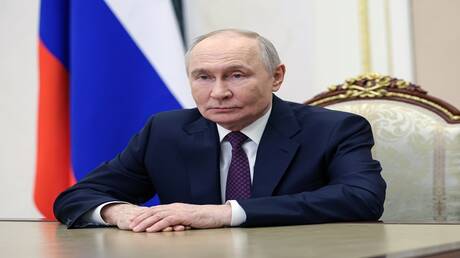
Russian President Vladimir Putin emphasized that the world is entering a new historical phase characterized by radical changes in global power dynamics. He pointed out that nations that uphold their national sovereignty are now at the forefront of the international scene, while the West is losing its leadership position to the Global South.
In his speech, Putin noted that these transformations reflect the decline of Western influence that has prevailed for decades. He explained that countries striving to maintain their sovereignty and independence are playing an increasingly significant role in shaping global policies, showcasing their desire to enhance their status on the international stage.
Details of the Event
Putin's remarks come at a time when the world is witnessing significant transformations, with increasing challenges facing Western nations, including economic and political crises. He indicated that these crises reflect the failure of Western policies to address global issues, leading to a decline in trust in Western leadership.
The Russian president also highlighted that developing countries, particularly in Africa and Asia, have begun to strengthen their relationships with one another and with major powers like Russia and China. This reflects a shift in the balance of power, as these nations seek to achieve sustainable development and enhance their economic independence.
Background & Context
Historically, Western nations have occupied a leading position in the international system, controlling most political and economic decisions. However, this dominance has started to erode with the emergence of new powers challenging this system. Financial and political crises have contributed to these trends, leading to the rise of Global South countries as influential forces.
It is noteworthy that Putin has repeatedly emphasized the importance of national sovereignty as a key criterion for power in the new global system. This approach is part of Russia's strategy to enhance its influence on the international stage, especially amid tensions with the West.
Impact & Consequences
The transformations occurring in the international system may lead to a reshaping of relationships between countries. As the power of nations that uphold their sovereignty increases, we may witness changes in political and economic alliances. This could affect global stability, as tensions between major powers may escalate.
Moreover, these changes may open avenues for developing countries to enhance their role in global decision-making. This means that Western nations will face new challenges in maintaining their influence, potentially leading to a reassessment of their strategies in dealing with these countries.
Regional Significance
For the Arab region, these transformations may signify new opportunities for cooperation with nations seeking to bolster their sovereignty. Arab countries may be able to leverage these dynamics to strengthen their position in the international system.
Furthermore, these shifts could enhance Arab cooperation with other developing nations, potentially leading to sustainable development and increased stability in the region.
In conclusion, Putin's statements reflect a profound shift in global power dynamics, prompting Arab nations to consider new strategies to enhance their role in the international system.