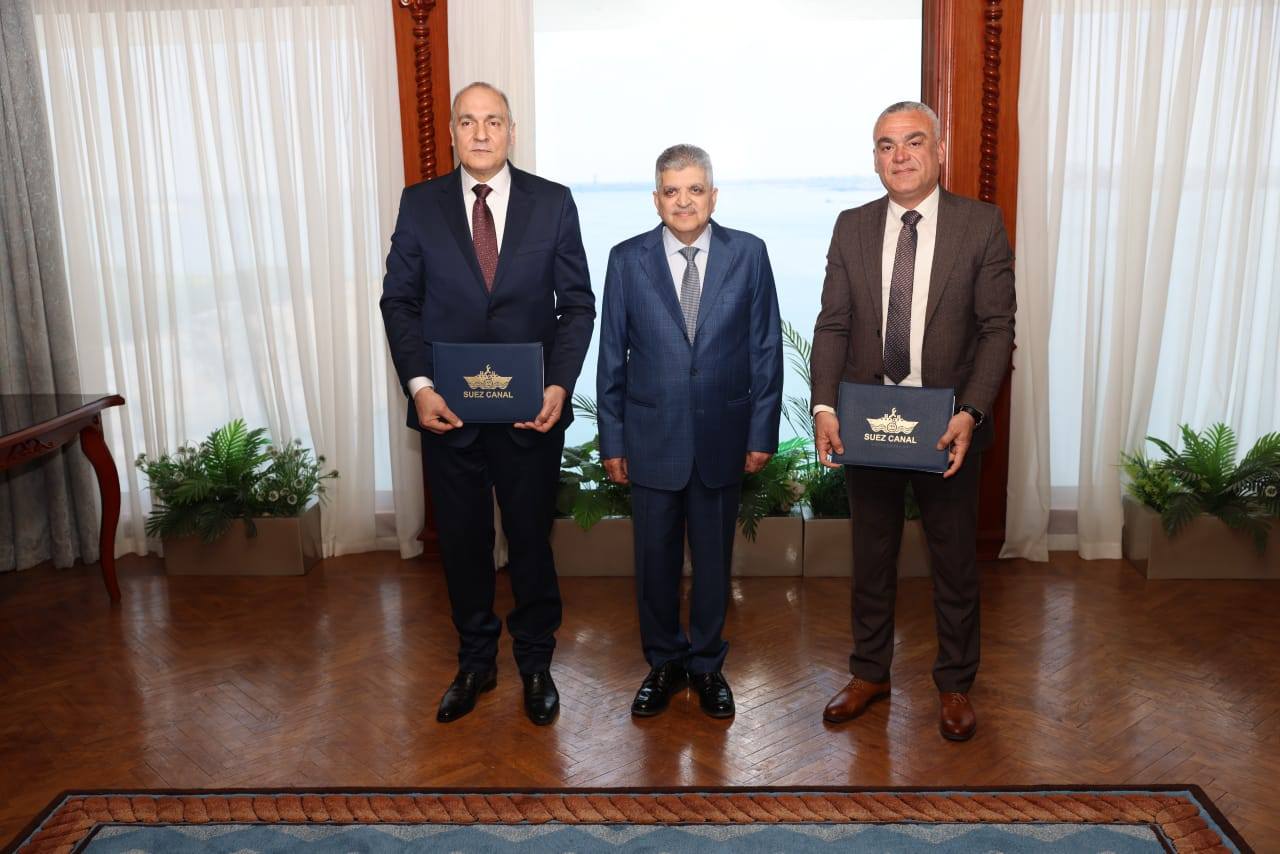
In a move that reflects the Suez Canal Authority's commitment to its social role, Admiral Osama Rabie, the head of the authority, attended the signing ceremony of a cooperation protocol with the General Authority for Adult Education. This protocol aims to organize literacy and adult education programs at the Creativity and Excellence Center in Ismailia Governorate.
This collaboration is part of the national strategy to eradicate illiteracy and aligns with Egypt's Vision 2030, as the state seeks to enhance knowledge and awareness among citizens. This project is considered a part of the government's efforts to achieve sustainable development.
Event Details
Under the protocol, the Suez Canal Authority will open classes for literacy and adult education within the Creativity and Excellence Center, which is an advanced training and educational facility. The center is equipped with modern technological tools that contribute to improving the educational process and achieving effective results.
The protocol also stipulates the implementation of a periodic technical supervision and monitoring system to evaluate the efficiency of educational programs, ensuring that beneficiaries gain maximum benefit and acquire essential reading, writing, and knowledge skills that enable them to actively participate in society.
Background & Context
The issue of illiteracy is a central challenge facing Egyptian society, as the state strives to eliminate this phenomenon that hinders development. Statistics have shown that the illiteracy rate in Egypt remains high, necessitating intensified efforts from all state institutions.
Egypt's Vision 2030 includes several ambitious goals, including improving education levels and eradicating illiteracy, which requires concerted efforts between various governmental and non-governmental entities to achieve these objectives.
Impact & Consequences
The signing of this protocol is a significant step towards enhancing education and combating illiteracy, as it will contribute to improving job opportunities and increasing awareness among citizens. This collaboration reflects the state's commitment to developing human resources, which is essential for achieving sustainable development.
Successful implementation of these programs is expected to improve the economic and social conditions of the beneficiaries, positively impacting society as a whole. Furthermore, spreading awareness and knowledge contributes to enhancing social stability and achieving comprehensive development.
Regional Significance
Egypt's experience in combating illiteracy serves as a model for the Arab region, where many countries face similar challenges. These initiatives can foster cooperation among Arab countries in the fields of education and human development.
Egypt's success in eradicating illiteracy could motivate other Arab nations to adopt similar strategies, contributing to building more aware and advanced societies.
In conclusion, the signing of this protocol represents a positive step towards achieving sustainable development goals and reflects the state's commitment to addressing educational challenges and combating illiteracy.