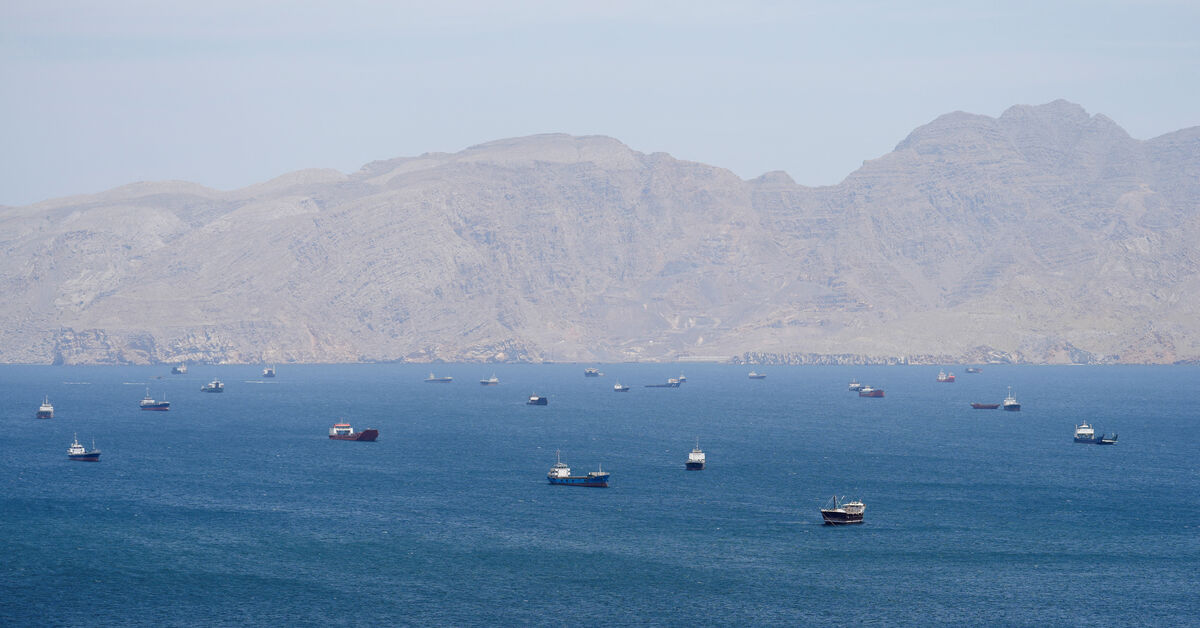
Iran has issued warnings concerning undersea internet cables in the Strait of Hormuz, indicating that they represent a real vulnerability for the region's digital economy. This warning comes at a time of increasing regional tensions, raising fears of potential attacks on this vital infrastructure.
The Strait of Hormuz, considered one of the narrowest waterways in the world, is a crucial point for the transportation of oil and gas, but it also serves as a major artery for the flow of global data. Several undersea fiber optic cables are located beneath the surface of this strait, connecting countries like India and Southeast Asia to Europe through Gulf states and Egypt.
Details of the Warning
In its warning, Iran emphasized that any attack on these cables could lead to significant disruptions in digital communications, impacting numerous economic sectors. Undersea internet cables are an essential part of the digital infrastructure, through which approximately 95% of global data traffic flows.
Historically, the Strait of Hormuz has been a center for regional conflicts, witnessing numerous military and political disputes. In recent years, concerns over cyberattacks have increased, particularly amid escalating tensions between Iran and the United States.
Background & Context
Undersea fiber optic cables are part of a complex global network, stretching across oceans and connecting continents. Therefore, any threat to this network could lead to negative repercussions for the global economy.
The intricate web of these cables facilitates not only communication but also international trade, making them a target for malicious actors looking to disrupt economic stability.
Impact & Consequences
If internet cables in the Strait of Hormuz are targeted, it could result in internet service disruptions in many countries, affecting businesses and financial services. Furthermore, any attack on these cables could provoke international reactions, as cybersecurity has become a global issue requiring international cooperation.
The potential fallout from such attacks could extend beyond immediate service interruptions, leading to long-term economic impacts and increased military presence in the region as nations seek to protect their digital infrastructure.
Regional Significance
The Strait of Hormuz is not only vital for the transport of oil and gas but also for the flow of global data. Its strategic importance cannot be overstated, as it plays a crucial role in both energy and digital economies.
As tensions continue to rise, the security of these undersea cables will remain a focal point for regional and global stakeholders, emphasizing the need for enhanced protective measures and international dialogue.