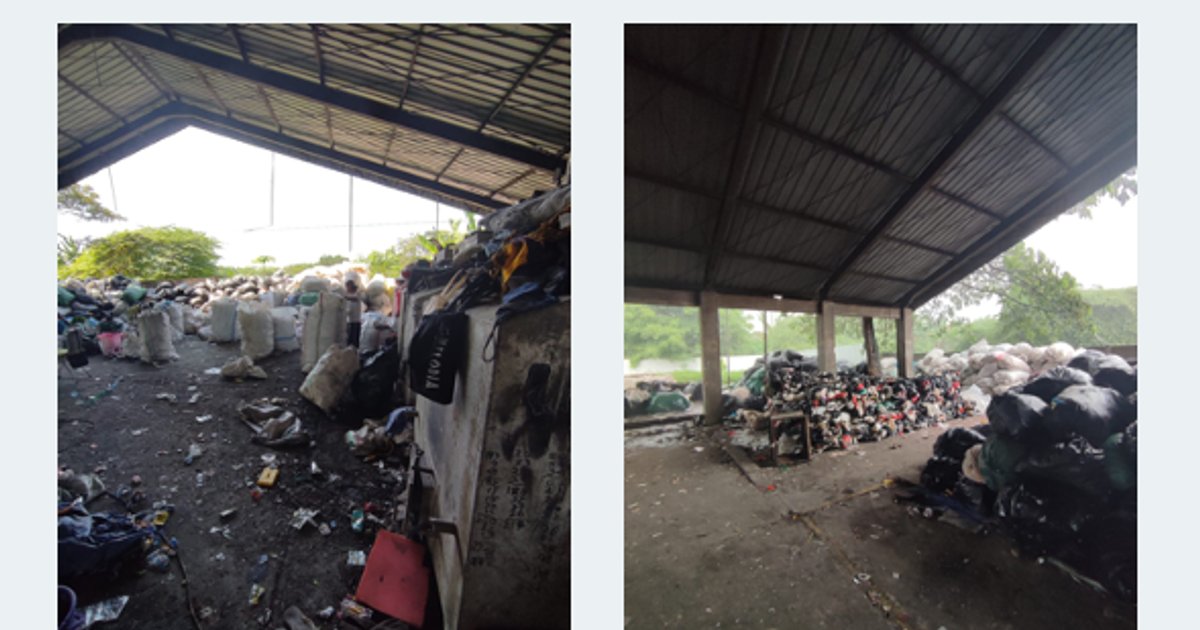
Indonesian President Prabowo Subianto has launched a national waste management program, identifying it as a national priority aimed at controlling waste across Indonesia within a period not exceeding three years. This announcement came after the president's visit to an integrated waste processing site in Banjarmasin, where he expressed admiration for local initiatives in waste management.
During his visit, President Prabowo emphasized the importance of developing effective waste management systems, noting that all efforts should focus on improving waste management in the country. He explained that the government will work to provide the necessary support to implement this model in various Indonesian regions.
Event Details
In his visit to the waste processing site in Banjarmasin, President Prabowo expressed his admiration for the technologies used at this site, which rely on effective local methods. He pointed out that these systems are not technically advanced, but they excel in integrating all stages of waste processing from households to the district level.
The president also reaffirmed the central government's commitment to supporting these initiatives, as direct assistance will be allocated to improve and develop waste processing systems, contributing to making them more effective. Reports indicate that around 13 districts in Central Java have adopted similar systems, making them a model for the rest of the country.
Background & Context
The waste problem is one of the major challenges facing many countries, including Indonesia, which suffers from increasing waste volumes due to population growth and urban expansion. This issue has led to serious environmental and health repercussions, necessitating urgent and effective action.
Historically, Indonesia has faced difficulties in waste management, with most waste being dumped in unregulated landfills, resulting in environmental pollution. However, current initiatives indicate a shift towards more sustainable waste management strategies.
Impact & Consequences
This step by the Indonesian government is an indication of its commitment to improving the quality of life for citizens and enhancing public health. By effectively managing waste, health risks associated with pollution can be reduced, contributing to a cleaner and safer environment.
Moreover, the success of this program could have positive impacts on the local economy, as it may create new job opportunities in waste management and recycling sectors. Additionally, the Banjarmasin model could serve as a reference for other countries facing similar challenges.
Regional Significance
Many Arab countries also face challenges in waste management, making it essential to exchange experiences and best practices. The Indonesian experiences could inspire Arab nations to develop effective and sustainable waste management strategies.
Furthermore, cooperation among countries in this field can contribute to improving environmental and health conditions in the region, enhancing the quality of life for Arab citizens.